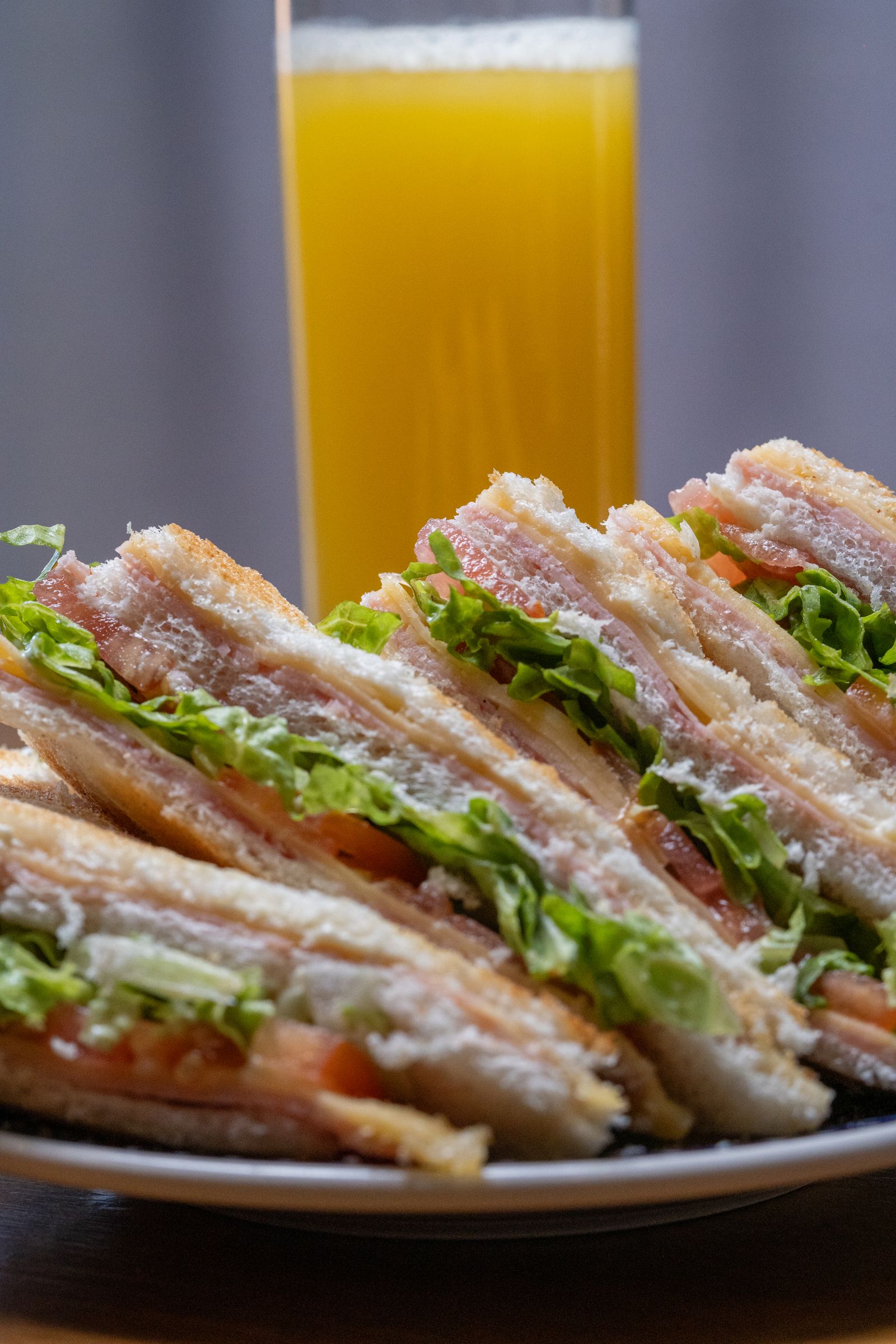
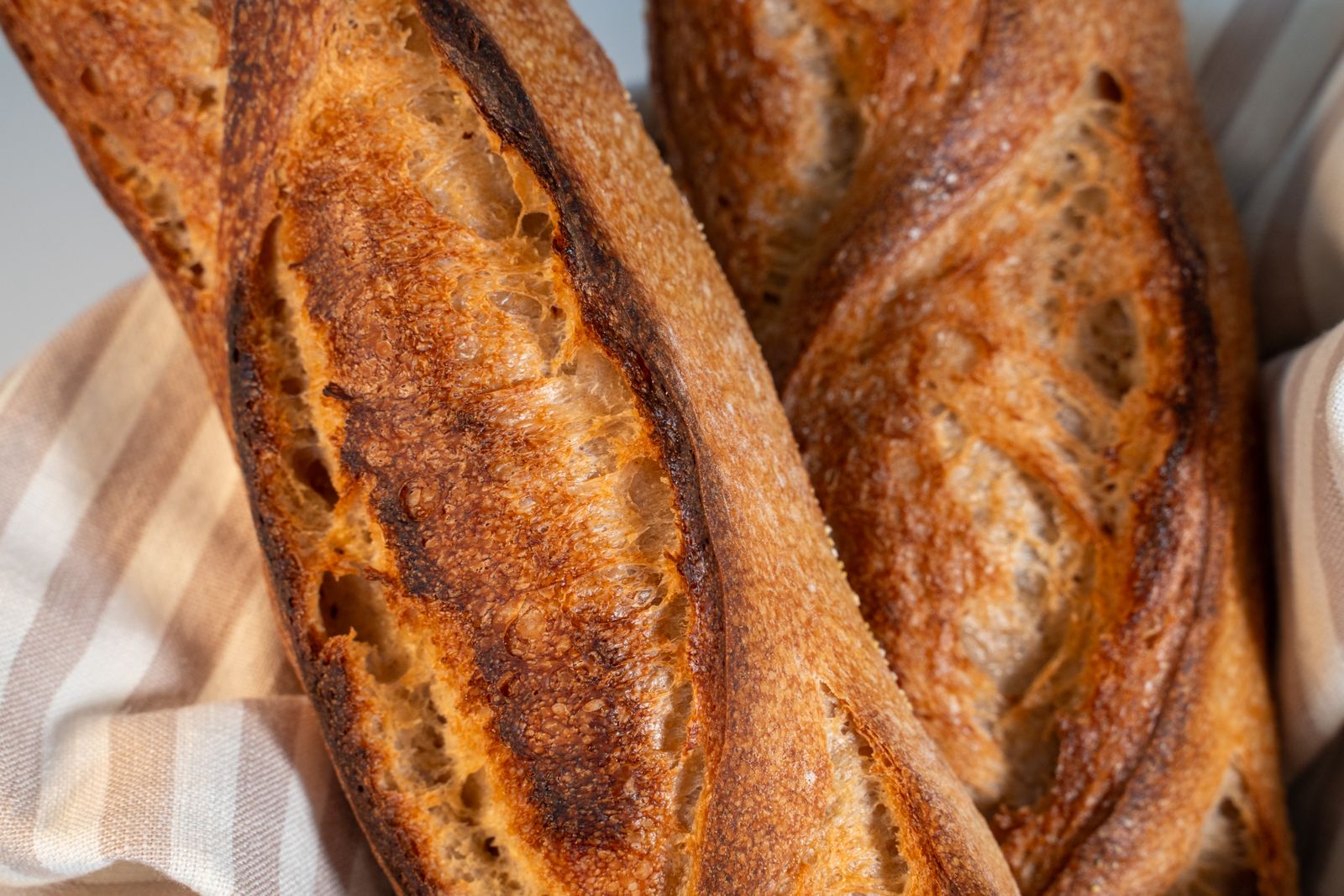
The sandwich is named after John Montagu, the 4th Earl of Sandwich, an eighteenth-century British aristocrat. A popular story says that he was so absorbed in a long card game that he asked for his meat to be brought between two slices of bread, so he could eat without leaving the table or getting his cards greasy.
The earliest firm written mention of “sandwich” as food is from the historian Edward Gibbon’s journal in 1762, in which he describes seeing a table of men eating “cold meat, or a Sandwich”. Some accounts say the Earl was actually busy with work at his desk, such as running the Navy, rather than gambling. Which story is true is not known.
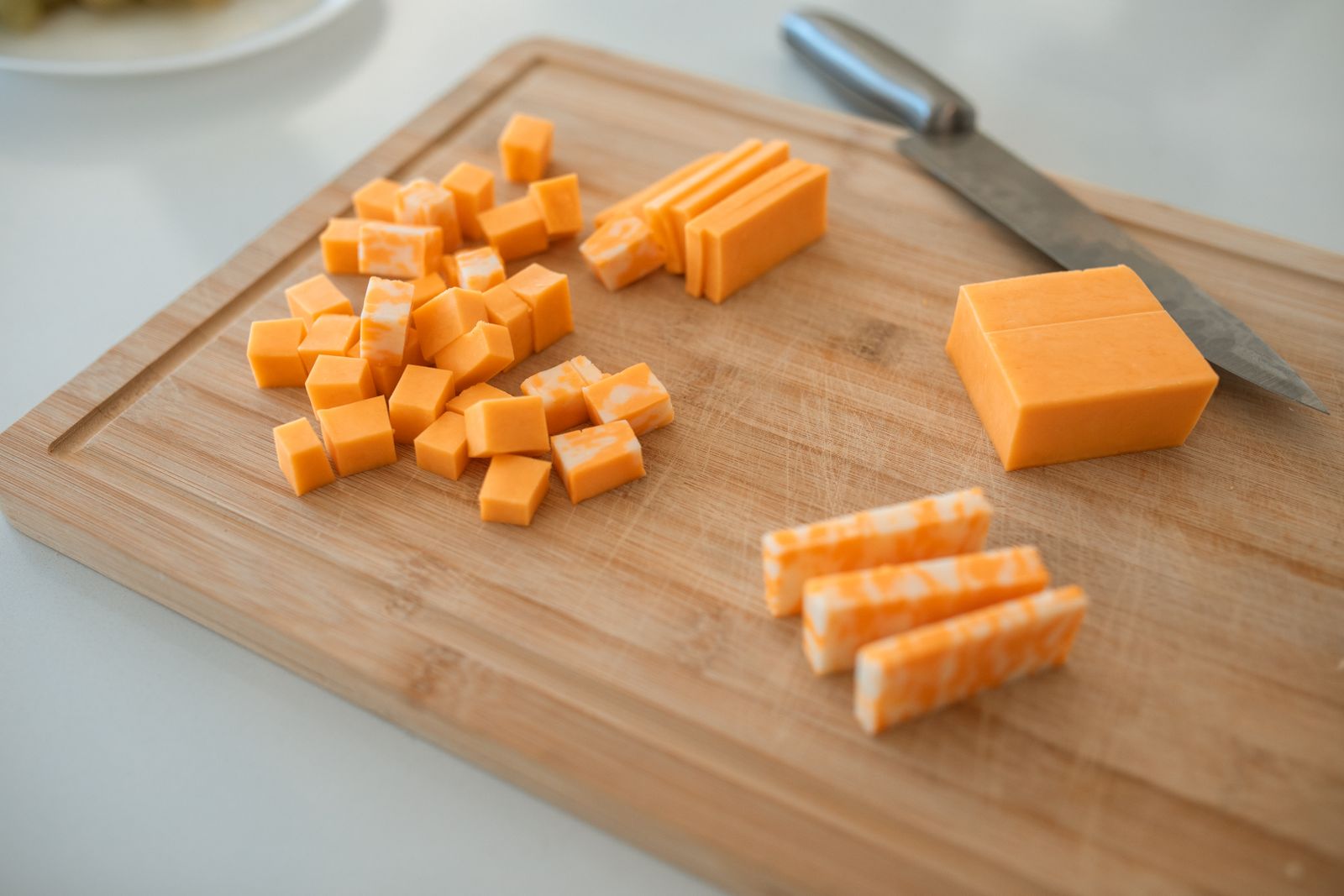
Putting food between bread, of course, is far older. Jewish tradition includes the Passover Hillel sandwich of bitter herbs and matzo, flatbreads were wrapped around fillings across the Middle East and South Asia for centuries, and medieval Europeans used thick slices of bread as plates, called trenchers.
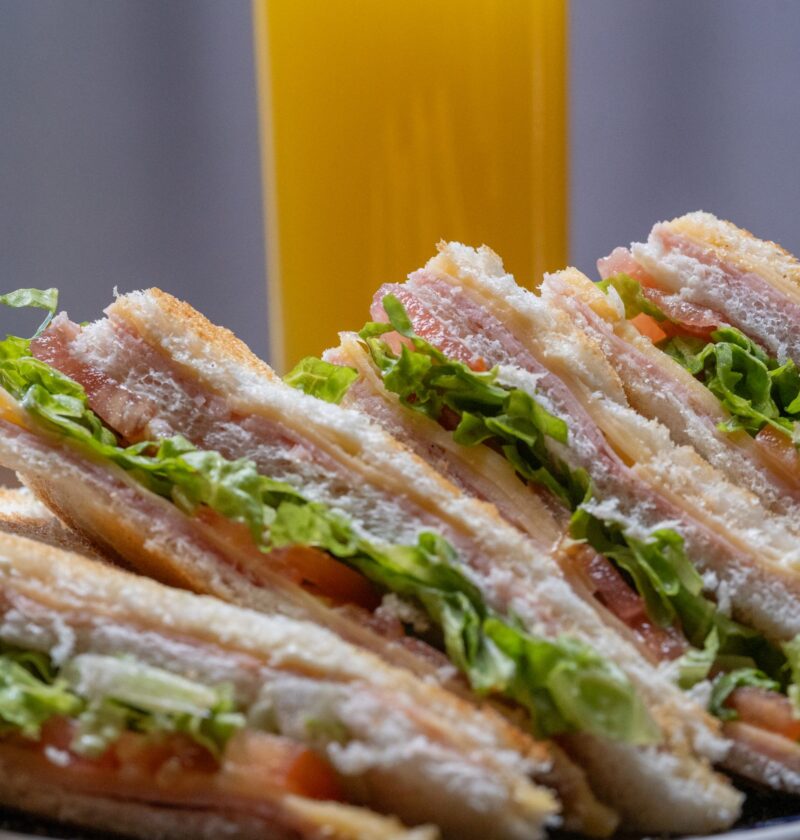
What the Earl gave was a name. The sandwich became popular as a quick, portable meal during the industrial age, suited to workers, travelers and picnics. Today sandwiches take countless forms, from the Italian panino and the Vietnamese bánh mì to the American club sandwich.
Sandwich, a town in Kent, England, gave its name to the earldom and so, indirectly, to the food.
The story in more depth
The sandwich came into its own in the nineteenth century, and became a staple of lunch for workers. Sliced bread produced by factories in the twentieth century, including pre-sliced loaves introduced in the United States in 1928, made it easier to prepare sandwiches. In Britain, the afternoon-tea cucumber sandwich symbolized refinement, while the “ploughman’s lunch”, cheese and pickle with bread, emerged as a pub lunch.
Around the world, the sandwich took countless forms. In Italy, the panino and the tramezzino, in France the croque-monsieur and jambon-beurre, in Vietnam the bánh mì, in Mexico the torta, in the Middle East shawarma and falafel pita, in the United States the club, the Reuben and the submarine sandwich, known by different names such as hoagie, grinder and po’ boy in different regions.
Sandwich shops and chains are everywhere, and sandwiches are used to carry fillings of all types. The simple idea of placing food between bread continues to be adapted across cultures, from street food stalls to fine dining.
A timeline
- 1762: Edward Gibbon records the word “sandwich” for food in his journal.
- 1800s: Sandwiches become common picnic and train food.
- 1900s: Sliced bread and fast food help the sandwich spread.
- 1928: Pre-sliced bread is sold in the United States.
- 1965: Subway opens in the United States.
- Today: Sandwiches are eaten in every country.
Regional styles and variations
- Club sandwich: layered with chicken or turkey, bacon and lettuce.
- Reuben: corned beef, sauerkraut and Swiss cheese on rye.
- Bánh mì: a Vietnamese baguette sandwich.
- Panini: a pressed Italian sandwich.
- Croque-monsieur: a French toasted ham and cheese sandwich.
- Po’ boy: a Louisiana sandwich on French bread.
Buying, tasting and choosing well
A great sandwich depends on good bread, balanced fillings and contrast of textures, such as crisp lettuce and soft cheese. Spread condiments to the edges and keep wet ingredients from soaking the bread by layering carefully. For packed sandwiches, wrap tightly and keep them cool. Toasting bread can help prevent sogginess.
Did you know?
- Sandwich Day is celebrated in the United States in November.
- Open-faced sandwiches are traditional in Scandinavia.
- The Earl of Sandwich’s family title still exists.
- Vietnam’s bánh mì has been celebrated in several food guides.
Eating it today
The sandwich is a food for everyone. A quick lunch, a picnic basket or a gourmet creation, it can be as simple or elaborate as you like.
Countries connected to this story
- United Kingdom: where the sandwich got its name from the Earl of Sandwich.
- France: with the croque-monsieur and jambon-beurre.
- Italy: known for panini, tramezzini and focaccia sandwiches.
- Vietnam: with its bánh mì, from French influence.
- United States: where subs, clubs and Reubens became icons.
- Mexico: with its tortas.
- Middle East: with pita and flatbread sandwiches.
Where to try it
- Katz’s Delicatessen (New York, USA): a famous deli known for pastrami sandwiches, open since 1888.
- Bánh Mì Phượng (Hoi An, Vietnam): a popular bánh mì shop in Hoi An.
- All’Antico Vinaio (Florence, Italy): a very popular sandwich shop known for its stuffed schiacciata bread.
These are well-known examples, not paid recommendations or rankings, and places change. Check opening times and details before you travel.
Well-known brands
- Subway: an American sandwich chain founded in 1965.
- Pret A Manger: a British sandwich chain founded in London in 1986.
- Hovis: a British bread brand.
- Wonder Bread: an American bread brand started in 1921.
- Oscar Mayer: an American deli meat brand.
Brands are named as widely known examples of makers, not as endorsements.
Many food origins are disputed. This story summarizes commonly cited accounts as an introduction, not the final word.
Photo credits: Nano Erdozain on Pexels; Manish Jain on Pexels; RDNE Stock project on Pexels. Free stock photos shown as illustrations only.