Afternoon tea, with its tiered stands of sandwiches, scones and cakes, is one of Britain’s most recognizable food rituals. Its origin is often credited to Anna Maria Russell, the Duchess of Bedford, in the 1840s.
Dinner in wealthy households was served late, often after eight in the evening, and lunch was light. The Duchess is said to have felt a “sinking feeling” in the late afternoon and began to ask for tea, bread and butter and cake in her room. She then invited friends to join her, and the habit spread through high society.
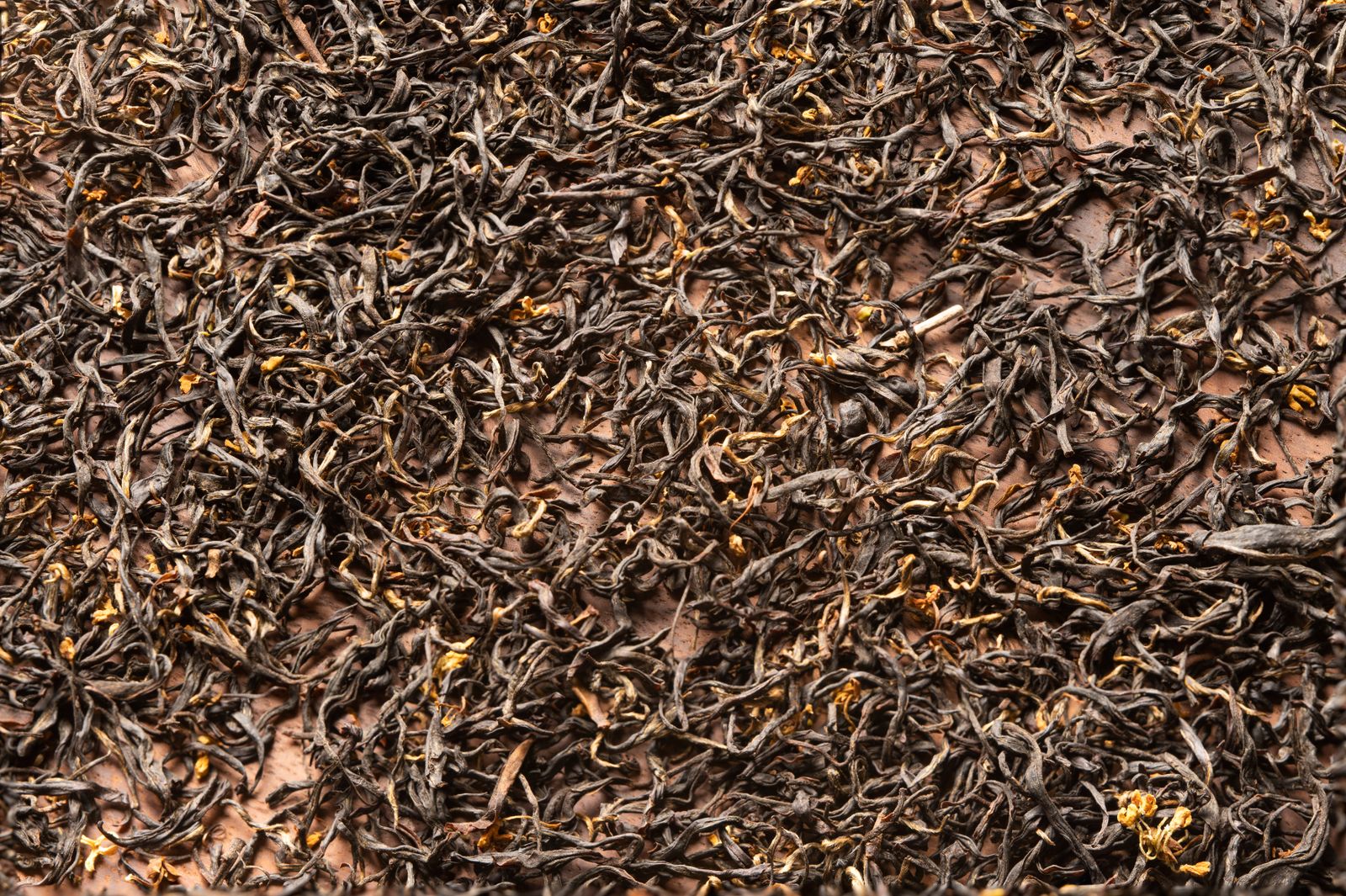
Tea itself had arrived in Britain in the middle of the seventeenth century. It became fashionable at court after Catherine of Braganza, a Portuguese princess who loved tea, married King Charles II in 1662. Over time, tea became cheaper and was drunk by all classes.
By the late nineteenth century, afternoon tea was a social event, served in drawing rooms and, later, in hotels and tea rooms. Meanwhile, workers enjoyed a different, heartier “high tea” in the early evening.
A cream tea of scones, jam and clotted cream is a regional specialty of Devon and Cornwall, and the debate about whether jam or cream goes first on the scone continues. Whatever the order, afternoon tea remains a symbol of leisure and hospitality.
The story in more depth
The ritual of afternoon tea changed over time. In the late nineteenth century, hotels such as the Ritz, the Savoy and Brown’s in London, opened tea rooms and created a fashionable social scene. A traditional spread includes finger sandwiches such as cucumber, egg and cress, and smoked salmon; scones with clotted cream and jam; and small cakes and pastries. Tea is poured from a pot into china cups, with milk or lemon.
Class distinctions appeared in tea names. “Afternoon tea”, often called “low tea”, was served on low tables in drawing rooms to the upper classes. “High tea” was a heartier meal served at higher tables to working families after work, with meat, bread, cheese and cake. The words are still used differently in different countries, which causes confusion.
Tea traditions exist around the world: the Japanese tea ceremony, Chinese gongfu cha, Russian samovar tea with jam, Moroccan mint tea, Turkish tea in small glasses and Indian chai. British afternoon tea is a unique version that has spread to former colonies, such as India’s hill stations and the Raffles Hotel in Singapore, and it continues to be a popular treat for celebrations.
A timeline
- 1662: Catherine of Braganza marries Charles II and helps popularize tea at court.
- 1706: Twinings begins as Tom’s Coffee House on the Strand, London.
- 1840s: The Duchess of Bedford is credited with starting afternoon tea.
- 1880s: Afternoon tea becomes a fashionable social event.
- 1900s: Hotel tea rooms and tea dances spread.
- Today: Afternoon tea is a popular treat for celebrations.
Regional styles and variations
- Afternoon tea: finger sandwiches, scones and cakes.
- Cream tea: scones with jam and clotted cream.
- High tea: a hearty early evening meal.
- Royal tea: afternoon tea with champagne.
- Tea in Ireland: strong tea with milk and brack bread.
Buying, tasting and choosing well
For a traditional experience, choose a place where scones are baked fresh, sandwiches have crustless bread and fillings like cucumber or egg, and tea is served in a pot with loose leaves. Eat from the bottom tier up, as is common: sandwiches, then scones, then cakes. Ask about dietary options if needed, as many hotels provide gluten-free and vegan versions.
Did you know?
- Tea is the most popular drink in the world after water.
- In Britain, milk in tea is traditional.
- Scones are often pronounced to rhyme with either “gone” or “cone”.
- The Devon versus Cornwall debate involves jam and cream order.
Eating it today
Afternoon tea is a charming pause in the day. Whether at a famous hotel or at home with friends, it is an opportunity to slow down.
Countries connected to this story
- United Kingdom: the home of afternoon tea and the cream tea tradition of Devon and Cornwall.
- China: where tea originated and where tea ceremony traditions developed.
- India: a major tea producer and home to chai culture.
- Sri Lanka: known for Ceylon tea.
- Japan: famous for the tea ceremony and green tea.
- Russia: where tea is served from a samovar.
- Morocco: known for mint tea.
Where to try it
- The Ritz London (London, England): a luxury hotel known for its Palm Court afternoon tea.
- Claridge’s (London, England): a historic hotel with an afternoon tea tradition.
- Brown’s Hotel (London, England): a hotel that has served afternoon tea since the nineteenth century.
- Betty’s Tea Rooms (Yorkshire, England): a famous chain of tea rooms in Harrogate and York.
These are well-known examples, not paid recommendations or rankings, and places change. Check opening times and details before you travel.
Well-known brands
- Twinings: a British tea brand with a history going back to 1706.
- Fortnum & Mason: a London department store known for its teas and hampers.
- Tetley: a British tea brand known for tea bags.
- PG Tips: a British tea brand known for its pyramid tea bags.
- Yorkshire Tea: a British brand from Betty’s & Taylors of Harrogate.
Brands are named as widely known examples of makers, not as endorsements.
Related: British-Style Scones and black tea.
Many food origins are disputed. This story summarizes commonly cited accounts as an introduction, not the final word.
Photo credits: Clément Proust on Pexels; arjan carja on Pexels; Bluesea Tea on Pexels. Free stock photos shown as illustrations only.