Hummus is a smooth blend of chickpeas, tahini, lemon juice and garlic. The word hummus means “chickpeas” in Arabic, and the dish is eaten from Lebanon, Syria and Palestine to Israel, Egypt, Turkey and Greece.
Chickpeas have been cultivated in the Middle East for thousands of years. Recipes for dishes that mix chickpeas, tahini and lemon appear in medieval Arabic cookbooks, including a thirteenth-century text with a recipe called hummus kasa. That does not mean the dish was identical to today’s hummus, but it shows that the ingredients were known together for centuries.
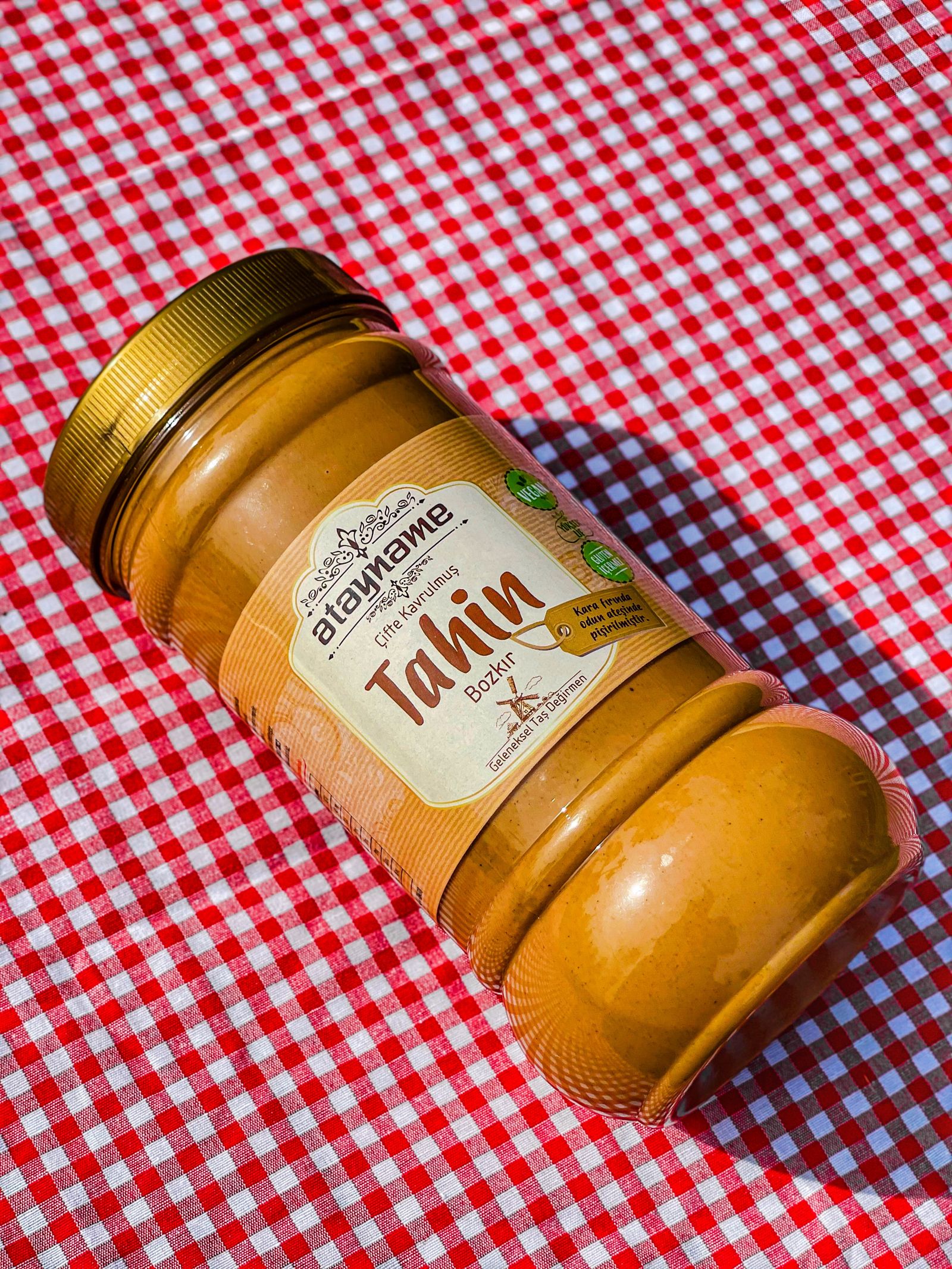
Which country first made hummus is argued warmly. Lebanese, Syrian, Palestinian, Israeli and Egyptian cooks all claim it as their own. Food historians generally say that it is a shared regional dish with no single, provable origin.
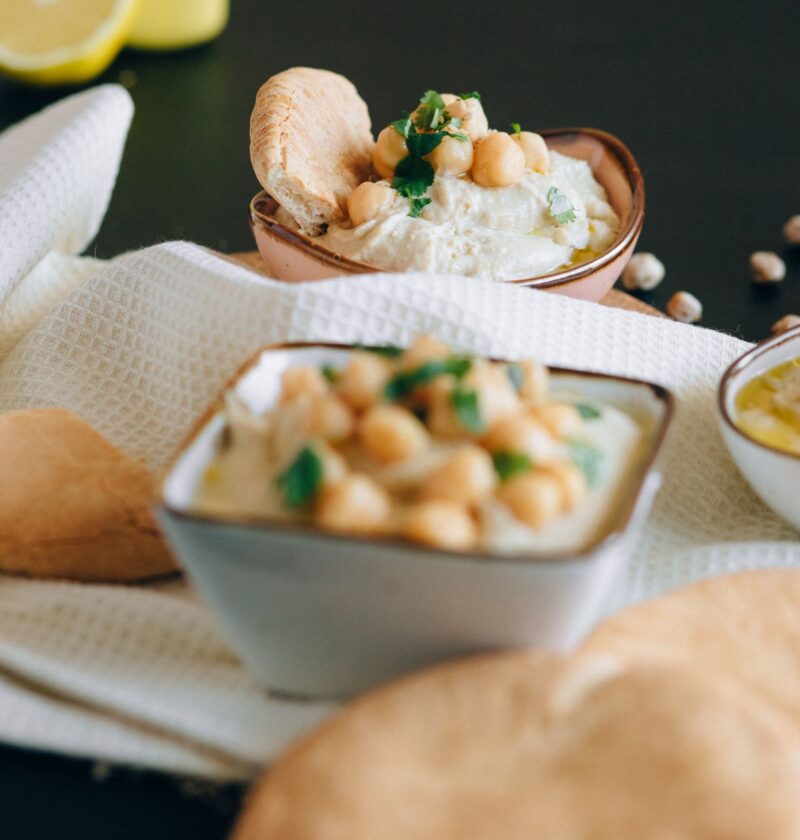
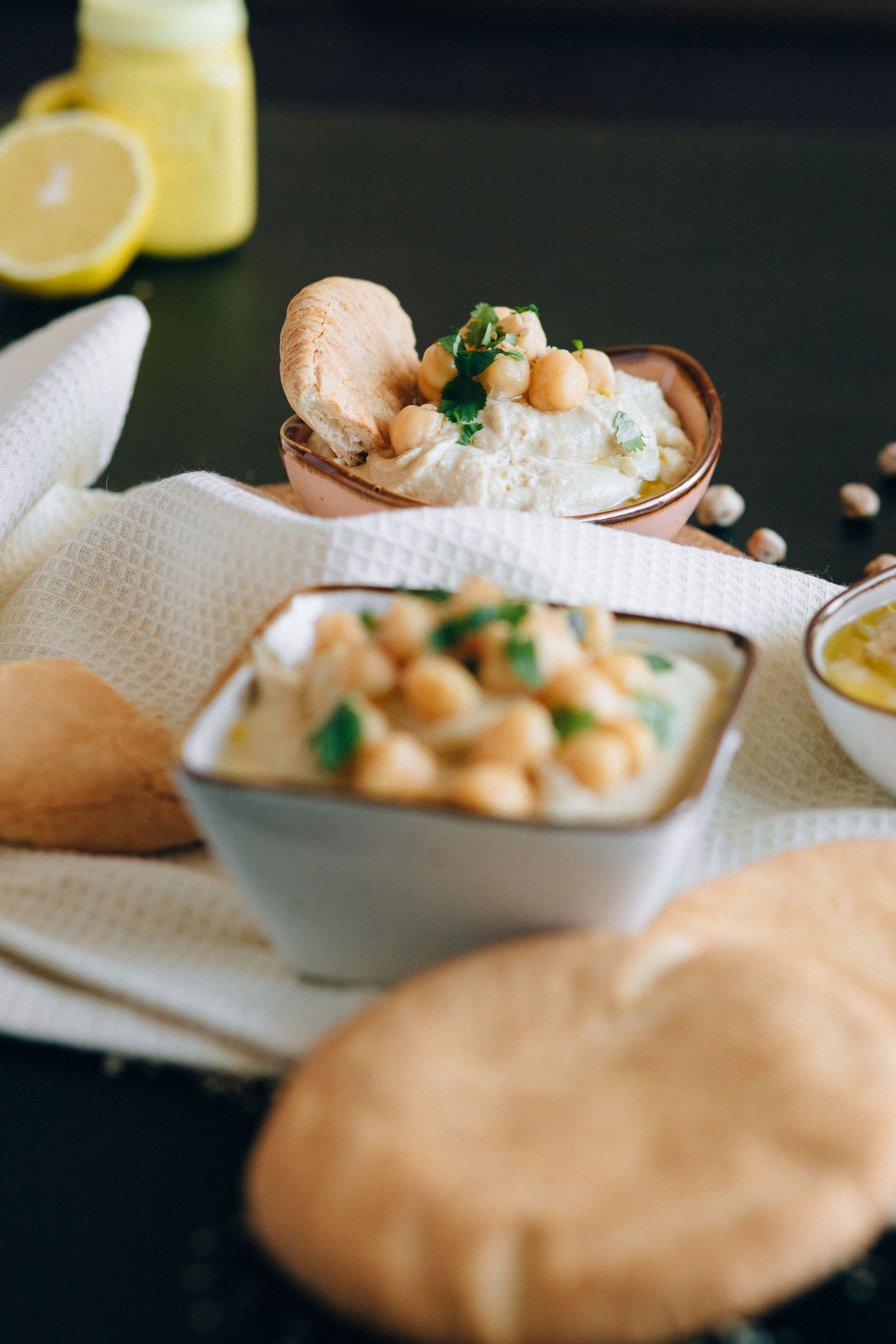
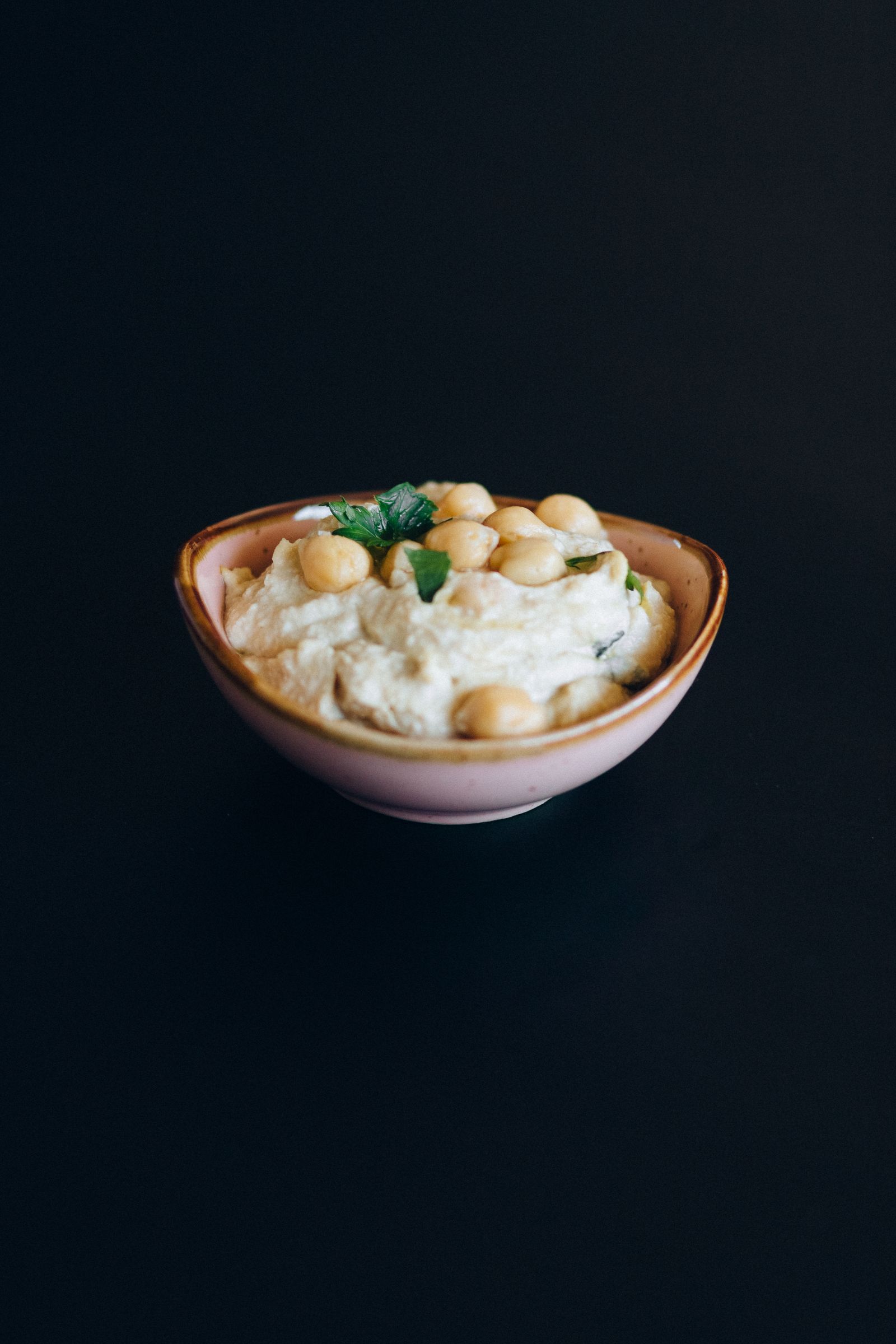
Serving styles vary. In many places hummus is spread on a plate, with a well of olive oil in the middle, and topped with whole chickpeas, paprika, parsley or ground meat. It is scooped up with warm pita bread. Some cooks like it silky and pale, others rough and garlicky.
Today hummus is sold in supermarkets worldwide and made with every flavor from roasted red pepper to beetroot. The classic version remains simple: good chickpeas, good tahini and patience in blending until it is smooth.
The story in more depth
Chickpeas are one of the oldest cultivated legumes, with finds from the Middle East dating back thousands of years. Tahini, the paste made from ground sesame seeds, has also been used in the region for a very long time. Over centuries, these ingredients appeared in many dishes, and the combination now called hummus bi tahini is simply the form that gained worldwide fame.
Hummus is part of the mezze tradition, a spread of small dishes. In Lebanon it is eaten with fresh bread and often with a swirl of olive oil, while in Israel and Palestine, hummusiyas, restaurants that specialize in hummus, serve it warm, often with fava beans (ful), whole chickpeas or tahini. Levantine cooks insist on the right balance of lemon, garlic and tahini and a smooth texture.
Hummus became a supermarket staple in the West from the 1990s onwards. Today, flavored versions are widely sold. The dish has also become part of political and cultural debates, with Lebanon, Israel and others competing in record attempts for the largest plate of hummus. Whatever the arguments, hummus remains a symbol of hospitality and shared food in the Middle East.
A timeline
- Thousands of years ago: Chickpeas are cultivated in the Middle East.
- 1200s: Medieval Arabic cookbooks include chickpea and tahini dishes.
- 1900s: Hummus becomes a street and restaurant staple in the Levant.
- 1970s to 1990s: Hummus appears in Western supermarkets and delis.
- 2000s: Flavored and packaged hummus becomes mainstream.
- Today: Hummus is a global dip.
Regional styles and variations
- Hummus bi tahini: the classic chickpea and sesame paste dip.
- Masabacha: warm chickpeas with tahini and spices.
- Hummus with meat: topped with spiced lamb or beef.
- Ful medames: fava bean dish eaten with hummus in some places.
- Beet or roasted pepper hummus: modern variations.
Buying, tasting and choosing well
For creamy hummus, use well-cooked chickpeas, good tahini and plenty of lemon, and blend for several minutes, adding cold water or ice for a light texture. Peeling the chickpeas makes it smoother but is optional. Taste for balance of lemon, garlic, salt and tahini. Serve with olive oil, paprika and warm pita.
Did you know?
- Chickpeas are also called garbanzo beans.
- Tahini is made from sesame seeds, which are an allergen.
- Hummus is often eaten for breakfast in the Levant.
- Chickpeas are a good source of fiber and protein.
Eating it today
Hummus is easy to make at home, and a good way to explore tahini and chickpeas. Try it in a simple bowl, with olive oil and warm bread, as it might be served in Beirut or Jerusalem.
Countries connected to this story
- Lebanon: where hummus is a key part of the mezze table.
- Syria: with a long tradition of chickpea and tahini dishes.
- Palestine and Israel: where hummus restaurants are popular.
- Egypt: known for similar legume dishes such as ful medames.
- Turkey: where hummus is part of meze culture.
- United States and United Kingdom: where hummus became a supermarket staple.
Where to try it
- Abu Hassan (Ali Karavan) (Jaffa, Israel): a famous hummus restaurant in Jaffa, often mentioned by visitors.
- Hummus Abu Shukri (Jerusalem, Old City): a long-established hummus restaurant in the Old City.
- Falafel and hummus restaurants of Beirut (Beirut, Lebanon): many restaurants serve hummus with fresh bread.
These are well-known examples, not paid recommendations or rankings, and places change. Check opening times and details before you travel.
Well-known brands
- Sabra: a US brand of hummus and dips, founded in 1986.
- Cedar’s: an American brand of Mediterranean foods.
- Tahina Al Arz and Achva: brands of tahini sold in the Middle East and elsewhere.
- Ziyad: a US-based brand that sells Middle Eastern foods.
Brands are named as widely known examples of makers, not as endorsements.
Related: Creamy Hummus recipe and chickpeas.
Many food origins are disputed. This story summarizes commonly cited accounts as an introduction, not the final word.
Photo credits: Nataliya Vaitkevich on Pexels; ENESFİLM on Pexels. Free stock photos shown as illustrations only.