
Spiced milk tea is so familiar across India that it seems timeless. The story is more recent. Tea plants grow wild in the Assam region, and in the 1830s the British East India Company began developing large tea plantations there and in Darjeeling, partly to reduce reliance on Chinese tea.
For many decades, most of the tea grown in India was exported. In the early twentieth century, tea companies and the Indian Tea Association started promoting tea drinking inside India, giving out samples at factories, railway stations and markets.

Local vendors adapted the drink to local tastes. They brewed strong tea together with milk and sugar and flavored it with spices that were already part of Indian kitchens, such as cardamom, ginger, cinnamon, cloves and black pepper. This is the origin of masala chai, which simply means spiced tea.
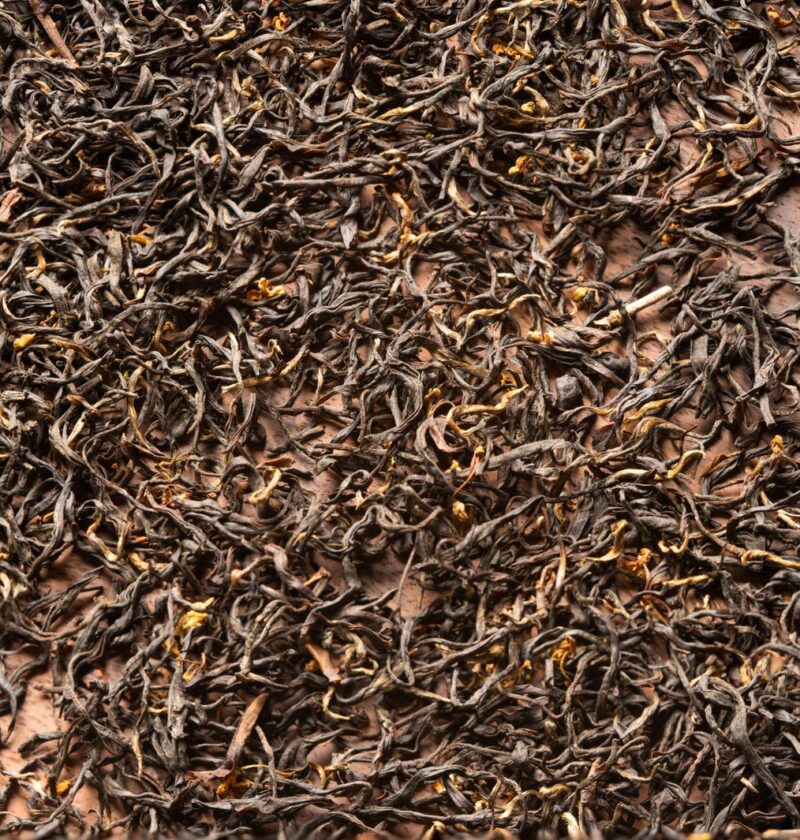
Another important development was CTC tea, made by crushing, tearing and curling leaves. It brews fast and strong, and holds its flavor against milk.
Today the chaiwallah, or tea seller, is a familiar figure at street corners and railway stations, serving chai in small glasses or clay cups. Chai has traveled worldwide, and the word is sometimes used in cafes for a spiced milk tea drink.
The story in more depth
The story of tea starts in China, where it was drunk for medicine and pleasure for thousands of years. Tea reached Europe in the seventeenth century, and demand soared in Britain. To avoid dependence on Chinese supplies, the British East India Company sent botanists to survey tea growing, and a wild variety of tea was found in Assam. Plantations in Assam, Darjeeling and the Nilgiris followed, and plantation labor, often harsh and exploitative, is a hard part of this history.
Indian railways and the growth of cities provided the setting for tea-drinking as an everyday habit. In the early twentieth century, tea companies handed out free samples and set up tea stalls in factories, markets and stations, and entrepreneurs experimented with ways to make a cup cheaper, using more milk and sugar and cheaper CTC tea. Spices already used in Ayurveda and home cooking made the drink warming and rich.
Today India is one of the world’s largest producers and consumers of tea. The tea tradition varies across the country: Kolkata and Assam favor strong brews; Kashmir has its saffron and almond kahwa and salty noon chai; Gujarat adds mint and lemongrass; Hyderabad is known for Irani chai and Osmania biscuits. The tea stall, with its glasses lined up and its large pot on the flame, is a place for conversation.
A timeline
- Thousands of years ago: Tea is first drunk in China.
- 1830s: The British East India Company starts commercial tea plantations in Assam.
- 1850s: Darjeeling tea estates begin to develop.
- Early 1900s: Tea companies start promoting tea drinking within India.
- 1950s and 1960s: CTC tea becomes widespread, and tea stalls multiply.
- 2000s: Chai cafés and chains open in Indian cities.
- Today: India is one of the world’s largest producers and consumers of tea.
Regional styles and variations
- Cutting chai: a small half-glass of tea, a Mumbai tradition.
- Kadak chai: strong, dark tea simmered with milk.
- Irani chai: a rich tea served in Irani cafés, especially in Hyderabad and Mumbai.
- Kashmiri kahwa: green tea with saffron, almonds and spices.
- Sulaimani chai: a spiced black tea with lemon, popular in Kerala.
- Noon chai: a pink, salty tea from Kashmir.
Buying, tasting and choosing well
For a good cup of masala chai, use strong black tea such as Assam CTC, fresh ginger and whole spices like cardamom, cinnamon and cloves. Simmer the tea in water and milk so that the flavors blend. Taste and adjust with sugar. Buying whole spices and grinding them when needed gives a brighter flavor than premade powders.
Did you know?
- The Hindi word chai simply means tea; “chai tea” is a repetition that means “tea tea”.
- Tea stalls in India are often a hub for neighborhood conversation.
- India’s Darjeeling tea has a protected geographical indication.
- Many Indian railway stations have chai vendors who walk along the platforms.
Eating it today
Chai has become a global drink, from street stalls in Delhi to cafés in London and New York. The best way to appreciate it is to make it fresh, adjusting the spices to taste, and to remember the plantation workers whose labor underpins the industry.
Countries connected to this story
- China: the origin of tea, where Camellia sinensis was first used.
- India: a major tea grower, especially in Assam, Darjeeling and the Nilgiri hills.
- United Kingdom: the East India Company and British tea culture shaped Indian plantations.
- Sri Lanka: a major tea producer, known as Ceylon tea.
- Kenya: a leading exporter of black tea, much of it CTC for chai-style drinks.
- Pakistan and Afghanistan: with their own spiced and green tea traditions, such as kahwa.
Where to try it
- Kyani & Co. (Mumbai, India): a long-established Irani café, often described as a classic of the city.
- Irani cafés of Hyderabad (Hyderabad, India): known for Irani chai and Osmania biscuits.
- Chaayos and Chai Point (Many Indian cities): modern chai café chains that serve customizable masala chai.
- Darjeeling Happy Valley Tea Estate (Darjeeling, India): one of the older tea estates that offers tours.
These are well-known examples, not paid recommendations or rankings, and places change. Check opening times and details before you travel.
Well-known brands
- Tata Tea: a major Indian tea brand from the Tata group.
- Brooke Bond Red Label and Taj Mahal: tea brands sold by Hindustan Unilever in India.
- Twinings: a British tea company with a history going back to 1706.
- Lipton: a global tea brand started in Scotland in the 1890s.
- Wagh Bakri: a well-known Indian tea brand, especially in Gujarat.
Brands are named as widely known examples of makers, not as endorsements.
Related: Masala Chai recipe and black tea.
Many food origins are disputed. This story summarizes commonly cited accounts as an introduction, not the final word.
Photo credits: Bluesea Tea on Pexels; vishranthanadka7 on Pexels; Sanket Sawale on Pexels. Free stock photos shown as illustrations only.