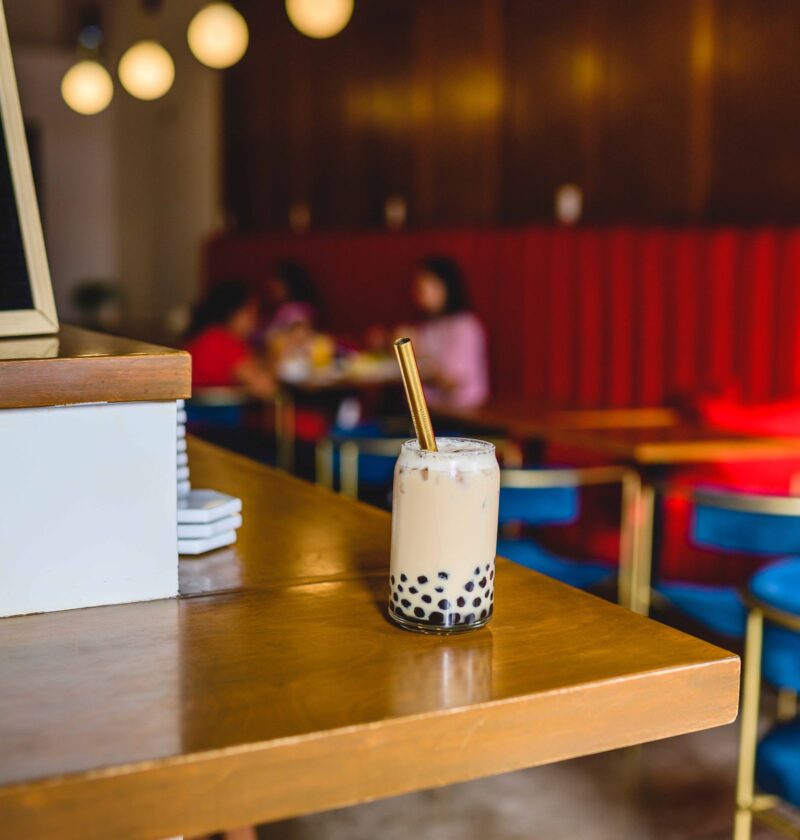
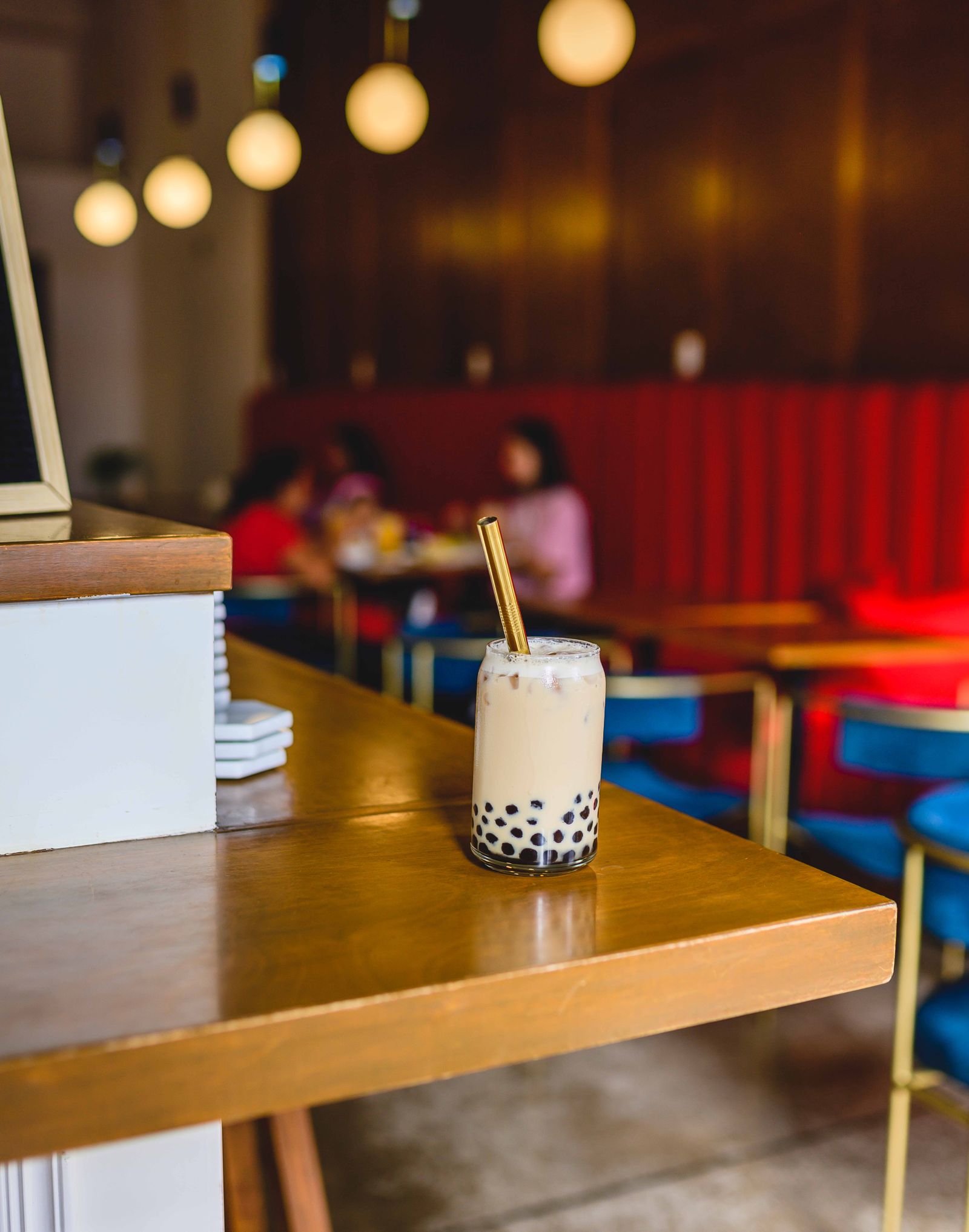
Bubble tea, also called boba, is a drink of sweetened tea with milk and chewy tapioca pearls, sipped through a wide straw. It began in Taiwan in the 1980s, though who invented it first is contested.
Two Taiwanese tea shops are the most common claimants. The Chun Shui Tang teahouse in Taichung says its product development manager, Liu Han-Chieh, began serving cold tea in the early 1980s, when she poured a Japanese-style iced tea into a drink, and later added tapioca balls. The Hanlin Tea Room in Tainan says its owner, Tu Tsong-he, created a tea drink with tapioca pearls in 1986. Neither claim is universally accepted.
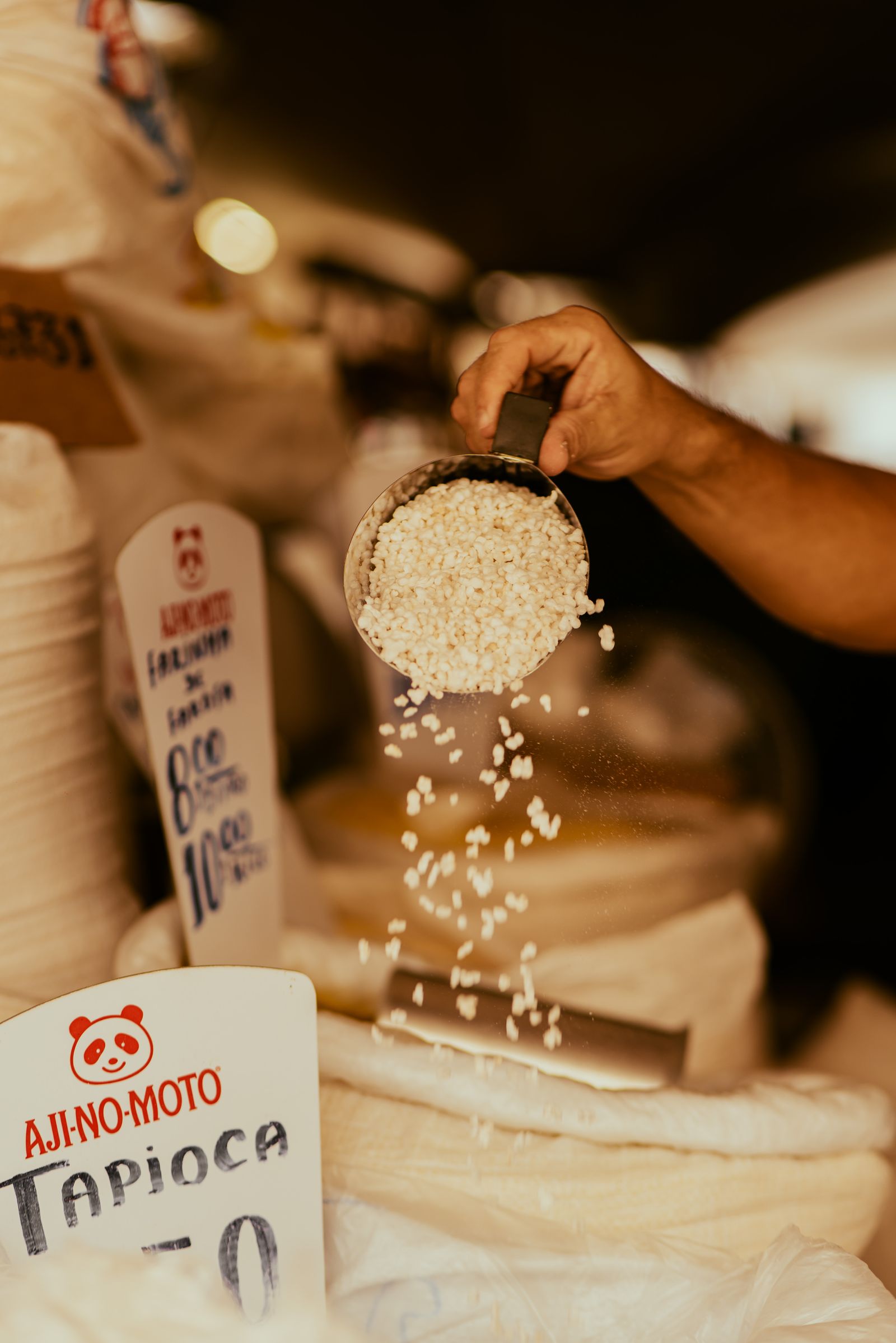
The pearls are made from tapioca starch from the cassava root and are cooked in sugar syrup until soft and chewy. Some people prefer the name boba or pearl milk tea, and the word “bubble” may refer to the foam made by shaking the tea.
During the 1990s, bubble tea spread across East and Southeast Asia and then to North America, Europe and Australia, helped by migration and by chain stores. Flavors multiplied, from taro and matcha to fruit teas and cheese foam.
Today bubble tea shops are common in many cities, a clear example of how a local idea can become a global trend.
The story in more depth
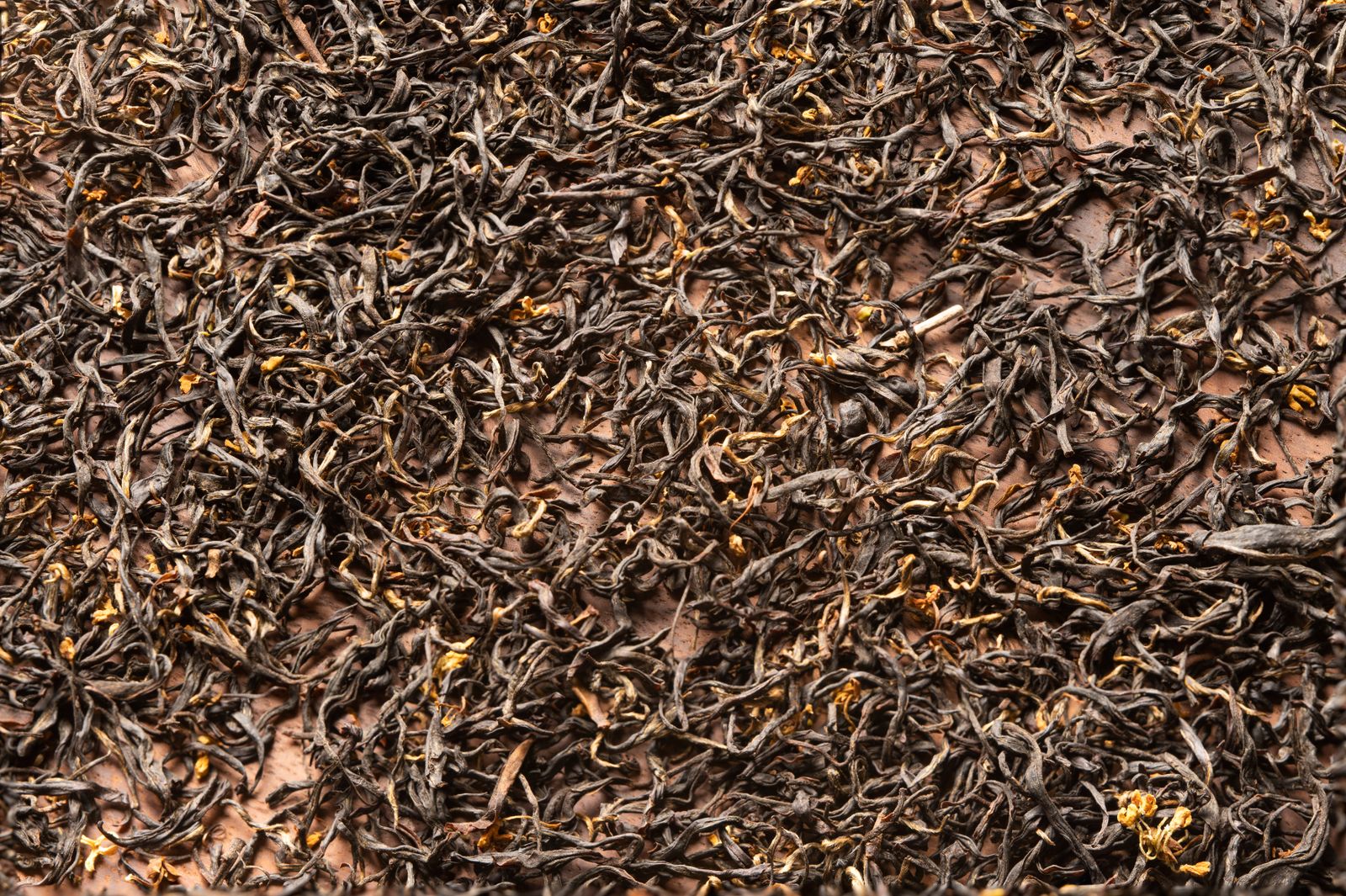
Taiwan’s tea culture shaped bubble tea. The island grows famous oolong teas, and tea houses were important in its social life. In the 1980s, new drinks were being invented in Taiwan, such as cold tea shaken with ice in a cocktail shaker. Adding tapioca balls, a common dessert ingredient, was a natural step, and soon shops competed with new flavors such as taro, passion fruit and brown sugar.
Bubble tea became a hallmark of Taiwanese food culture and identity, and has featured in promotional campaigns, festivals and even academic study. It spread to Hong Kong, Japan, mainland China and Southeast Asia in the 1990s, followed by the United States, Canada, Australia and Europe in the 2000s. Chains such as Gong Cha, CoCo, Chatime and Tiger Sugar are known worldwide, and many independent shops add their own styles.
Health debates also arose, as the drinks can be high in sugar, and some shops now offer less-sweet options, fresh milk and other toppings such as aloe, grass jelly and popping boba. Environmental concerns about plastic cups and straws led to the use of reusable and compostable options.
A timeline
- 1980s: Shaken iced teas become popular in Taiwan.
- 1986 to 1988: Tapioca pearls are added to milk tea, according to two competing claims.
- 1990s: Bubble tea spreads across Asia.
- 2000s: It arrives in North America, Europe and Australia.
- 2010s: Specialty chains and brown sugar milk teas boom.
- Today: Bubble tea shops are common in many cities.
Regional styles and variations
- Classic milk tea with pearls: black tea, milk and tapioca balls.
- Brown sugar boba: pearls cooked in brown sugar syrup with milk.
- Fruit tea: with fresh fruit and jelly.
- Taro milk tea: made with taro root.
- Matcha milk tea: with Japanese green tea.
- Cheese foam tea: topped with salted cream.
Buying, tasting and choosing well
To enjoy bubble tea at its best, choose a shop that cooks its pearls fresh, which should be chewy but not hard. Consider adjusting sweetness and ice levels, as many drinks are very sugary. Drink it soon after it is made, because the pearls harden when cold. Check for allergens in milk and toppings.
Did you know?
- “Boba” can refer to the pearls or to the drink.
- The pearls are made from tapioca starch, from cassava.
- Taiwan holds events celebrating its bubble tea.
- Many shops let you choose sugar levels in percentages.
Eating it today
Bubble tea is fun and customizable. For a lighter option, choose less sugar or unsweetened tea and enjoy it as an occasional treat.
Countries connected to this story
- Taiwan: the birthplace of bubble tea, with tea shops in nearly every neighborhood.
- Hong Kong and mainland China: where bubble tea chains grew quickly.
- Japan: where bubble tea was a huge trend, especially around 2019.
- United States: with large bubble tea chains and independent shops, especially in California and New York.
- Australia and the United Kingdom: with many bubble tea shops in cities.
- Thailand and Indonesia: where bubble tea is a popular street drink.
Where to try it
- Chun Shui Tang (Taichung, Taiwan): a tea house that claims to have invented bubble tea.
- Hanlin Tea Room (Tainan, Taiwan): a tea shop that also claims the invention.
- Taipei night markets (Taipei, Taiwan): markets such as Shilin where bubble tea is widely sold.
- Bubble tea shops in Chinatowns (Cities worldwide): popular spots for the drink in many cities.
These are well-known examples, not paid recommendations or rankings, and places change. Check opening times and details before you travel.
Well-known brands
- Gong Cha: a bubble tea chain founded in Taiwan in 2006.
- CoCo Fresh Tea & Juice: a Taiwanese chain with locations worldwide.
- Chatime: a Taiwanese chain popular in Australia and elsewhere.
- Tiger Sugar: a Taiwanese chain known for brown sugar boba milk.
Brands are named as widely known examples of makers, not as endorsements.
Many food origins are disputed. This story summarizes commonly cited accounts as an introduction, not the final word.
Photo credits: Amar Preciado on Pexels; Bia Sousa on Pexels; Bluesea Tea on Pexels. Free stock photos shown as illustrations only.