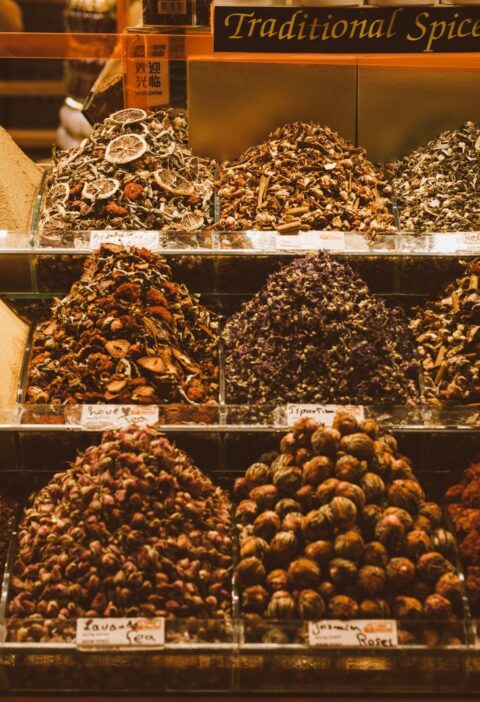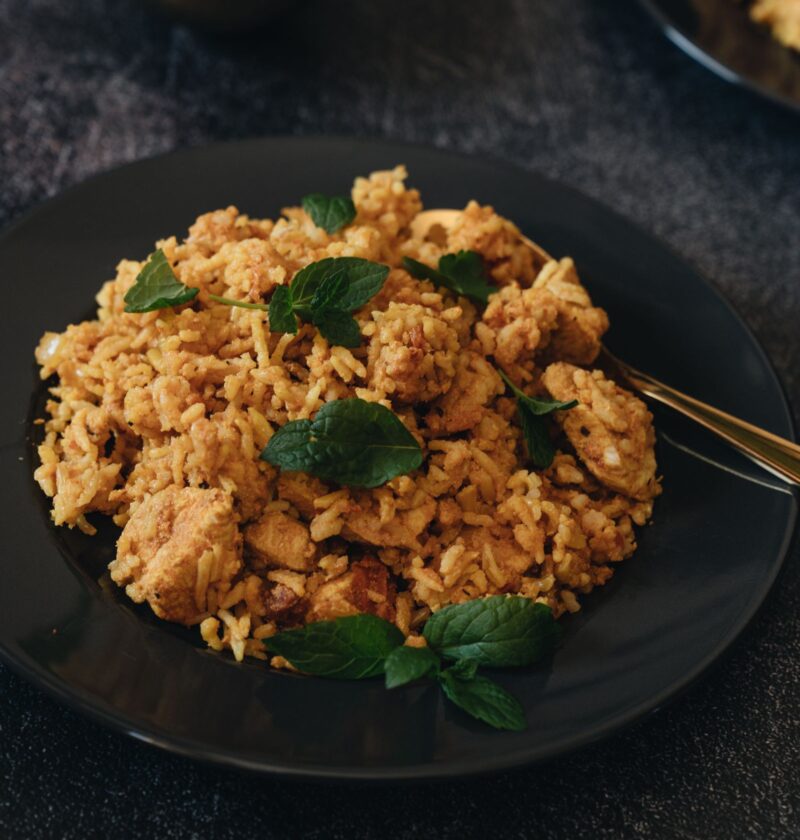

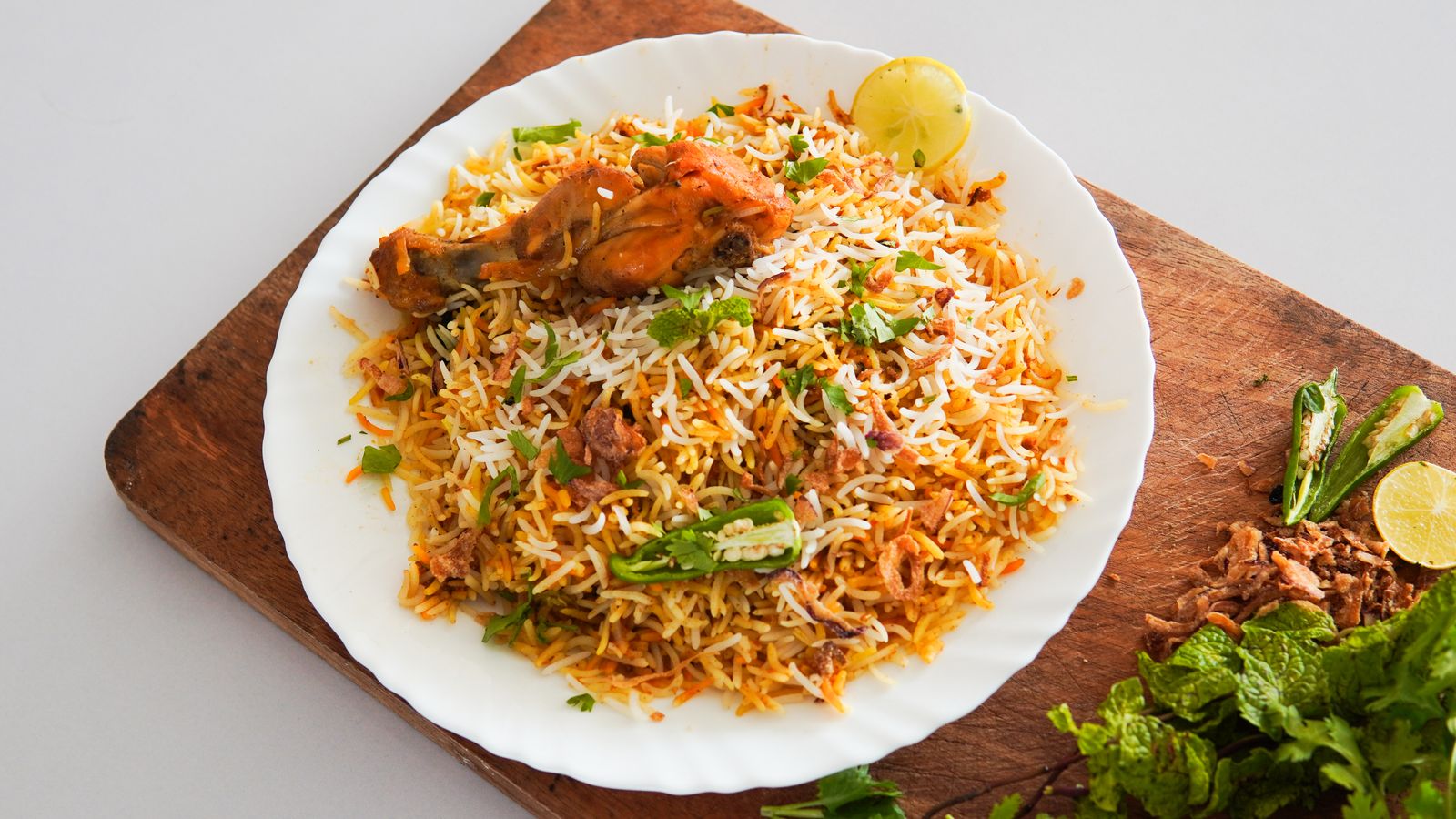
Biryani is a dish of rice layered with spiced meat, vegetables or eggs and cooked slowly in a sealed pot. It is loved across South Asia and in the diaspora, and each region claims its own version.
The name is often traced to Persian, either from birinj, meaning rice, or birian, meaning “fried before cooking”. Many food historians link the dish to the Mughal courts of northern India, where Persian cooking traditions mixed with Indian spices and ingredients. The exact origins, however, are debated and no single account is agreed.
The cooking method known as dum, in which a pot is sealed with dough and cooked over low heat so the food steams in its own juices, is central. Hyderabadi biryani, from the Deccan, has two famous styles: kacchi, with raw marinated meat cooked with the rice, and pakki, in which the meat is cooked first.
In Lucknow, the style of dum pukht is known for subtle spicing and tender meat. Kolkata biryani is known for its potato, and a popular story links this to the exile of the Nawab Wajid Ali Shah of Awadh to Kolkata in 1856, though some say potatoes were simply a more affordable way to feed many people.
Biryani is now served at weddings, festivals and street stalls, and is among the most ordered dishes in India. Whether it is made with chicken, mutton, fish, eggs or vegetables, the fragrance of saffron, whole spices and fried onions is unmistakable.
The story in more depth
Several theories exist about how biryani began. One says it came with Persian-speaking soldiers and cooks who entered India with the Mughals and combined rice and meat dishes of their homeland with Indian spices. Some scholars also point to older rice and meat dishes in South India, though how closely they resemble biryani is debated. Historians generally agree that biryani developed over centuries through exchange, rather than from a single moment.
Regional biryanis are fiercely defended. Hyderabadi biryani is linked with the Nizams of Hyderabad and their royal kitchens. Lucknowi biryani, from the Awadhi court, emphasizes gentle aroma and slow cooking. Malabar (Thalassery) biryani from Kerala uses short-grain rice and a coastal spice mix. Ambur and Dindigul biryanis from Tamil Nadu use small-grain seeraga samba rice and a sharper chili flavor. In Sindh and Karachi in Pakistan, aloo bukhara (dried plums) and potatoes may be added.
Biryani spread through the Indian diaspora to the Gulf, Southeast Asia, East Africa, Britain and North America. Its popularity has also made it a favorite of food delivery apps; in India, it is repeatedly reported as one of the most ordered dishes in the country. A pot of biryani remains the center of weddings, Eid and family gatherings.
A timeline
- 1500s and 1600s: The Mughal court develops rice and meat dishes with Persian and Indian influences.
- 1700s: The Nizams of Hyderabad and the Nawabs of Awadh patronize elaborate royal cooking.
- 1856: The exile of Wajid Ali Shah to Kolkata is linked in popular accounts with the potato in Kolkata biryani.
- 1953: Paradise restaurant opens in Secunderabad, Hyderabad.
- 2000s: Food delivery apps make biryani one of India’s most ordered dishes.
- Today: Biryani is eaten in South Asia, the Gulf, Southeast Asia and diaspora communities.
Regional styles and variations
- Hyderabadi: layered, spicy, with kacchi or pakki methods.
- Lucknowi: delicately spiced, slow-cooked.
- Kolkata: with potato and mild spice.
- Malabar: coastal Kerala style with short-grain rice.
- Ambur and Dindigul: Tamil Nadu styles with seeraga samba rice.
- Sindhi: spicy, with plums and potatoes, popular in Pakistan.
Buying, tasting and choosing well
A good biryani has separate, fragrant grains, tender meat and balanced spices, not oily or mushy. The rice is usually parboiled before layering, and the sealed pot cooks it gently. Serve with raita and salad to cool the spice. When ordering, ask about the style and spice level, and be aware that portions are large and rich.
Did you know?
- The word biryani likely comes from Persian.
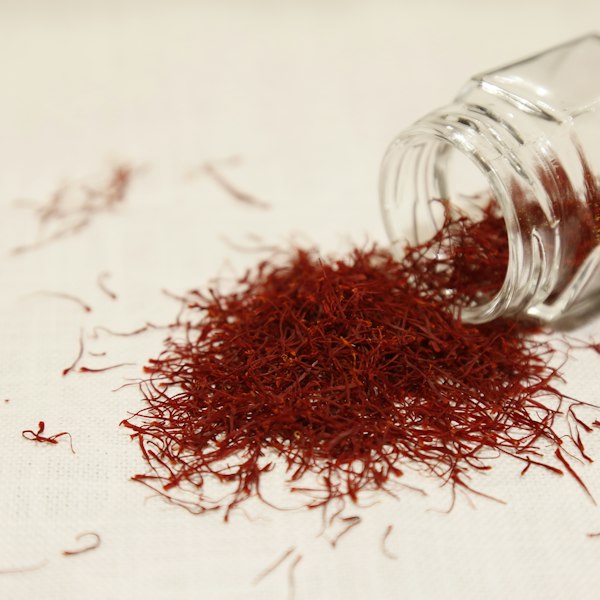
- Saffron and kewra water are used in some royal versions.
- Many families keep secret spice mixes.
- Biryani is traditionally served at weddings and festivals.
Eating it today
Biryani is a dish of celebration. Cooking it takes patience, but it is rewarding for a gathering, and tasting different regional versions is a delicious way to explore India.
Countries connected to this story
- India: the heart of biryani culture, with Hyderabadi, Lucknowi, Kolkata, Malabar and many other styles.
- Iran and Central Asia: the likely source of Persian rice and meat traditions that influenced biryani.
- Pakistan: where Sindhi and Karachi biryani are very popular.
- Bangladesh: known for kacchi biryani and Dhaka’s Haji Biryani.
- Sri Lanka and Malaysia: with local biryani and rice dishes.
- United Arab Emirates and Gulf states: where biryani is widely eaten by large South Asian communities.
- United Kingdom: where biryani is a restaurant staple.
Where to try it
- Paradise Restaurant (Hyderabad, India): a famous biryani restaurant, in business since 1953.
- Bawarchi (Hyderabad, India): a popular biryani restaurant in the RTC Crossroads area.
- Dum Pukht (Delhi, India): a restaurant at the ITC Maurya hotel known for slow-cooked “dum pukht” dishes of the Awadh tradition.
- Arsalan (Kolkata, India): a well-known biryani restaurant with several locations.
These are well-known examples, not paid recommendations or rankings, and places change. Check opening times and details before you travel.
Well-known brands
- Tilda: a brand of basmati rice sold in many countries.
- India Gate: an Indian brand of basmati rice.
- National Foods and Shan: Pakistani brands of biryani masala mixes.
- MDH and Everest: Indian brands that sell biryani masala.
Brands are named as widely known examples of makers, not as endorsements.
Related: Chicken Biryani recipe and saffron.
Many food origins are disputed. This story summarizes commonly cited accounts as an introduction, not the final word.
Photo credits: alleksana on Pexels; Bilal Moazzam on Pexels; Syed F Hashemi on Unsplash. Free stock photos shown as illustrations only.