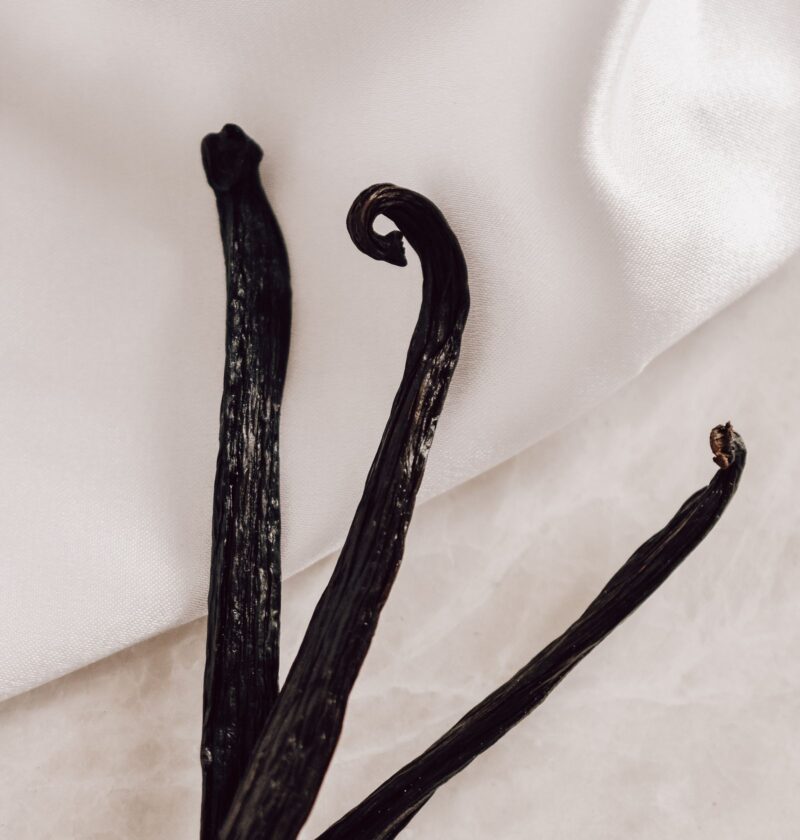
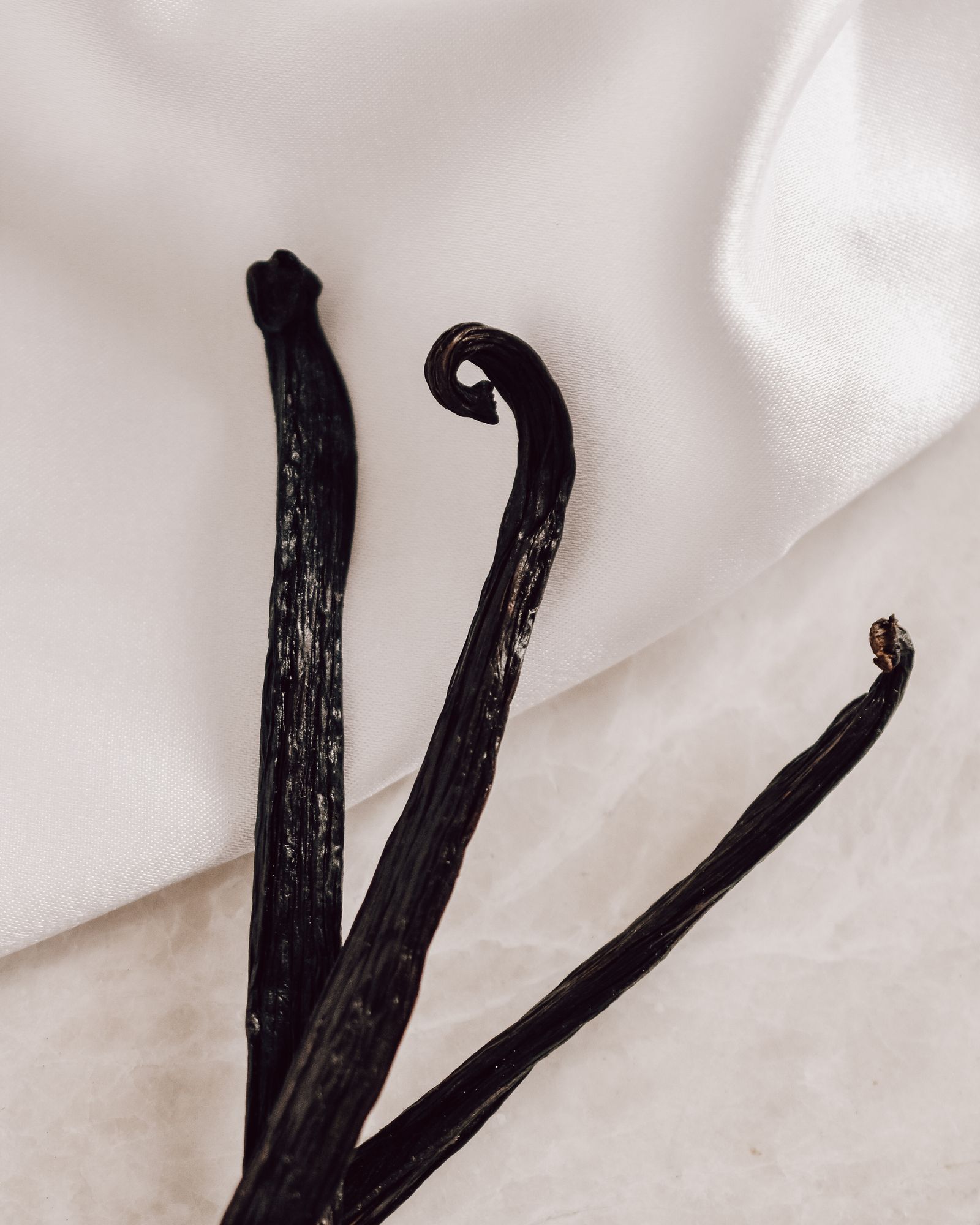
Vanilla comes from the pod of a climbing orchid native to southeastern Mexico. The Totonac people of the Veracruz region were among the first to cultivate it, and the Aztecs later used it to flavor chocolate drinks. Spanish explorers took vanilla to Europe in the sixteenth century.
For about three centuries, people outside Mexico struggled to grow vanilla for pods. The reason was pollination. In Mexico, a native bee, the Melipona, pollinates the flower, but the flower is open for only a few hours, and without that bee, vanilla plants flower but produce no pods.

In 1841, on the island of Réunion in the Indian Ocean, a twelve-year-old enslaved boy named Edmond Albius developed a practical method of hand-pollinating the flower using a thin stick and his thumb. His technique is still used today on vanilla farms around the world, and he is remembered as a key figure in the spice’s history.
Vanilla farming is labor-intensive. Each flower must be pollinated by hand, and the green pods are cured for weeks by scalding, sweating and drying before they develop their aroma. This helps explain why vanilla is one of the most expensive spices after saffron.
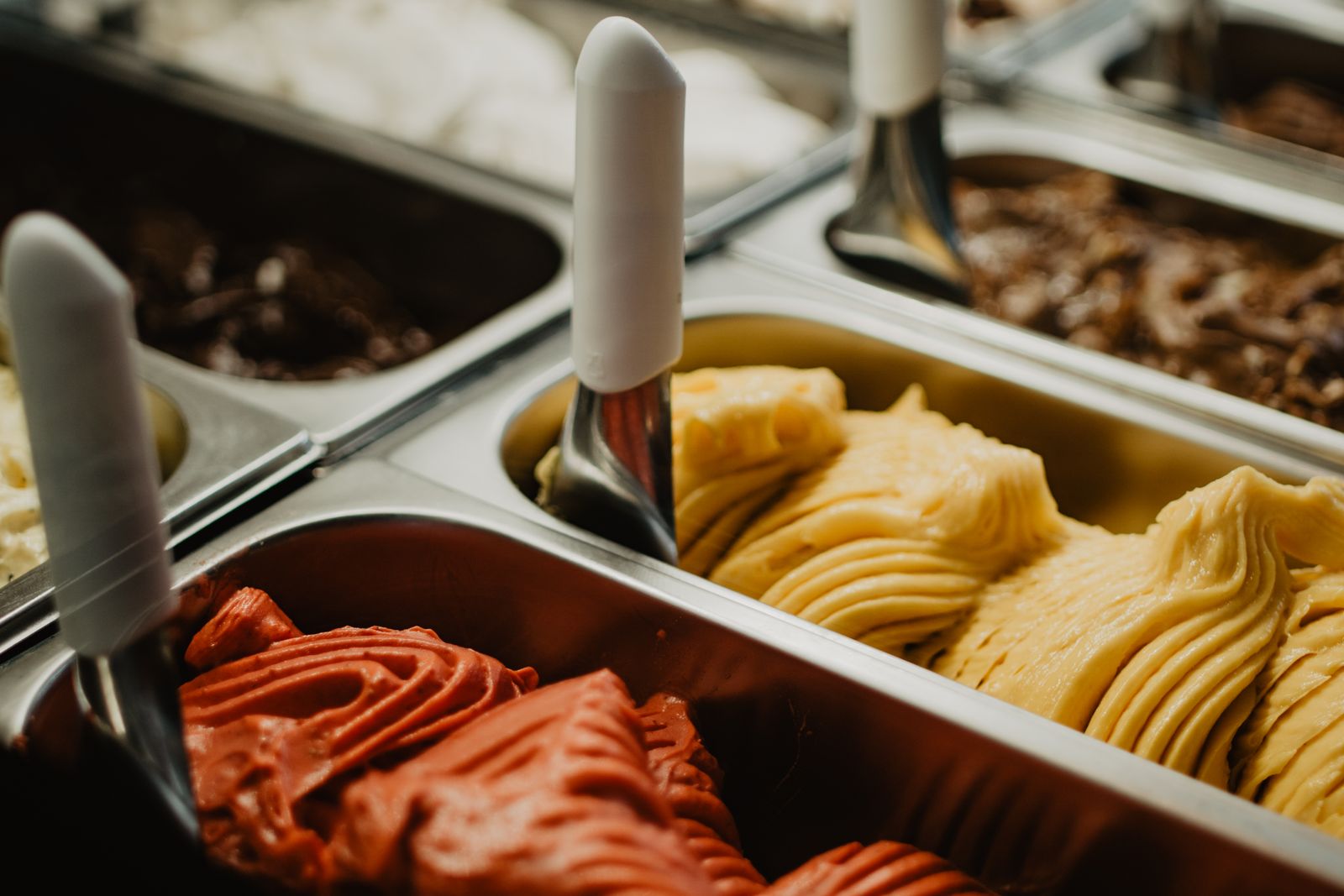
Madagascar is now the world’s largest producer, followed by Indonesia and other countries. Real vanilla is used in ice cream, baking and perfumery, and compared with artificial vanillin it has a more complex flavor.
The story in more depth
After vanilla reached Europe, it was used to flavor chocolate drinks and, later, ice cream and desserts. In the eighteenth century, French and Dutch botanists tried to grow it in greenhouses in Europe, with limited success because of the pollination problem. In the nineteenth century, French colonial plantations in Réunion, Mauritius and later Madagascar and Tahiti used Edmond Albius’s method to produce vanilla in large amounts.
Madagascar’s vanilla industry began in the late nineteenth century and now supplies the majority of the world’s natural vanilla, mostly grown by smallholder farmers in the northeast, around the towns of Sambava and Antalaha. The industry is vulnerable to cyclones, theft and price swings, so prices can rise and fall dramatically. Other major producers are Indonesia, Papua New Guinea, Uganda, Comoros and Tahiti, which grows its own species, Vanilla tahitensis.
Natural vanilla contains hundreds of aroma compounds, while vanillin is just one. Most “vanilla” flavoring in processed food uses synthetic vanillin, first produced in the nineteenth century. Vanilla extract, vanilla paste, whole pods and vanilla sugar each have their uses, and good vanilla is a key part of custards, cakes and ice cream.
A timeline
- Before 1500s: The Totonac and Aztec use vanilla in Mexico.
- 1500s: Spanish explorers take vanilla to Europe.
- 1841: Edmond Albius develops hand-pollination on Réunion.
- 1800s: Vanilla plantations spread to Madagascar, Tahiti and other regions.
- 1874: Vanillin is first synthesized from pine sap.
- Today: Madagascar leads production.
Regional styles and variations
- Bourbon vanilla: from Madagascar, Réunion and the Indian Ocean, rich and creamy.
- Mexican vanilla: with spicy, smoky notes.
- Tahitian vanilla: floral, fruity and used in desserts.
- Vanilla extract: pods steeped in alcohol.
- Vanilla paste: extract with seeds in a thick syrup.
- Vanilla sugar: sugar scented with pods.
Buying, tasting and choosing well
Pure vanilla extract should list only vanilla beans, alcohol and water, and perhaps sugar. Whole pods should be plump, flexible and fragrant. Store pods in an airtight container, and reuse spent pods by drying them and adding them to sugar. For baking, add extract after cooking where possible to preserve aroma. Imitation vanillin is cheaper but less complex.
Did you know?
- Vanilla is the only orchid fruit widely used as food.
- The flowers open for only a few hours.
- It takes months to cure pods.
- Vanilla theft is a real problem in producing regions.
Eating it today
Real vanilla is a luxury, so a little goes a long way. Using it carefully, and choosing responsibly sourced vanilla, helps the farmers who patiently grow it.
Countries connected to this story
- Mexico: the original home of vanilla and its first cultivators, the Totonac.
- France: which carried vanilla to its colonies, including Réunion, and used it in pastries.
- Madagascar: the world’s largest producer of natural vanilla.
- Réunion: where Edmond Albius developed hand pollination in 1841.
- Tahiti: known for its own species and floral vanilla.
- Indonesia and Uganda: other significant vanilla producers.
Where to try it
- Sambava and Antalaha (northeast Madagascar): the main vanilla growing region, known as the “vanilla coast”.
- Papantla (Veracruz, Mexico): a town associated with Totonac vanilla traditions and the Papantla flyers.
- Réunion Island vanilla plantations (Réunion): which commemorate Edmond Albius.
These are well-known examples, not paid recommendations or rankings, and places change. Check opening times and details before you travel.
Well-known brands
- McCormick: an American spice company that sells vanilla extract.
- Nielsen-Massey: an American maker of vanilla extract and paste, founded in 1907.
- Heilala: a vanilla producer from Tonga.
- Rodelle: an American brand of vanilla and baking products.
Brands are named as widely known examples of makers, not as endorsements.
Related: Vanilla spice page.
Many food origins are disputed. This story summarizes commonly cited accounts as an introduction, not the final word.
Photo credits: Qwirki & Co. on Pexels; ROMAN ODINTSOV on Pexels; Maurício Mascaro on Pexels. Free stock photos shown as illustrations only.