Paella is Spain’s most famous rice dish, and it comes from the region of Valencia on the Mediterranean coast. The word paella refers to the wide, shallow pan in which it is cooked, which comes from an old word related to the Latin patella, meaning a small pan.
Rice was introduced to the Iberian Peninsula by the Moors in the early Middle Ages, and the wetlands around the Albufera lagoon near Valencia became rice-growing country. The dish is often described as having started as a midday meal for farm workers, cooked outdoors over a wood fire, with ingredients to hand such as rabbit, chicken, green beans and white beans.

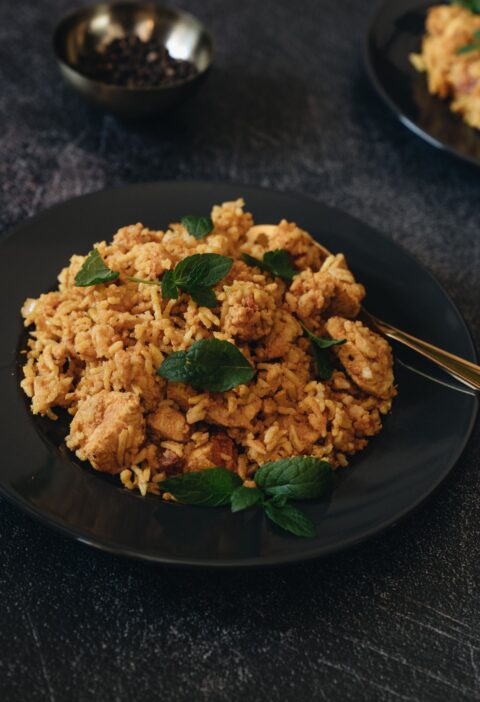
Traditional paella valenciana contains rabbit, chicken, flat green beans, garrofó (a large white bean), tomato, saffron and rice, and sometimes snails. The seafood version is better known abroad, and Valencians often point out that it is a different dish. Mixed paellas are also found.
A good paella develops a thin, caramelized crust at the bottom called socarrat, which many people consider the best part. Cooks avoid stirring the rice after it has been added so that the crust can form.
Paella is a social dish, often cooked and served at family gatherings on Sundays, straight from the pan. Debates about the proper way to make it are famous, and recipes vary from family to family.
The story in more depth
The word paella may also refer to the dish itself, and Valencians traditionally cook it on Sundays outdoors over a fire of orange or pine wood, in a wide flat pan that lets the rice cook in a thin layer. The most important part of the cooking is the stock, called caldo, and the right proportion of rice to liquid. The rice used is a short-grain variety such as bomba or senia, which absorbs a lot of liquid without becoming sticky.
Valencia has strong traditions around rice, and is also known for arròs al forn (baked rice), arròs negre (black rice colored with squid ink) and fideuà, a dish similar to paella but made with short noodles. There are protests when chefs include ingredients such as chorizo, and in 2016 a tweet from a British celebrity chef about adding chorizo to paella started a debate known as a “paella scandal”.
As Spanish people migrated, paella traveled across Spain and the world. The seafood paella and paella mixta (a mix of meat and seafood) are seen across the Spanish coast, and cooks in Latin America make their own versions, such as arroz con pollo and arroz a la valenciana. Paella is a festive dish of gathering, often cooked in huge pans for fiestas.
A timeline
- 700s to 900s: The Moors introduce rice to the Iberian Peninsula.
- 1400s: Rice dishes are recorded in Valencia.
- 1800s: Paella develops as a field workers’ meal near the Albufera.
- 1900s: Paella spreads across Spain and becomes a national symbol.
- 1950s and 1960s: Tourism brings paella to the world.
- Today: Valencia promotes traditional paella and its protected rice.
Regional styles and variations
- Paella valenciana: with chicken, rabbit, green beans and white beans.
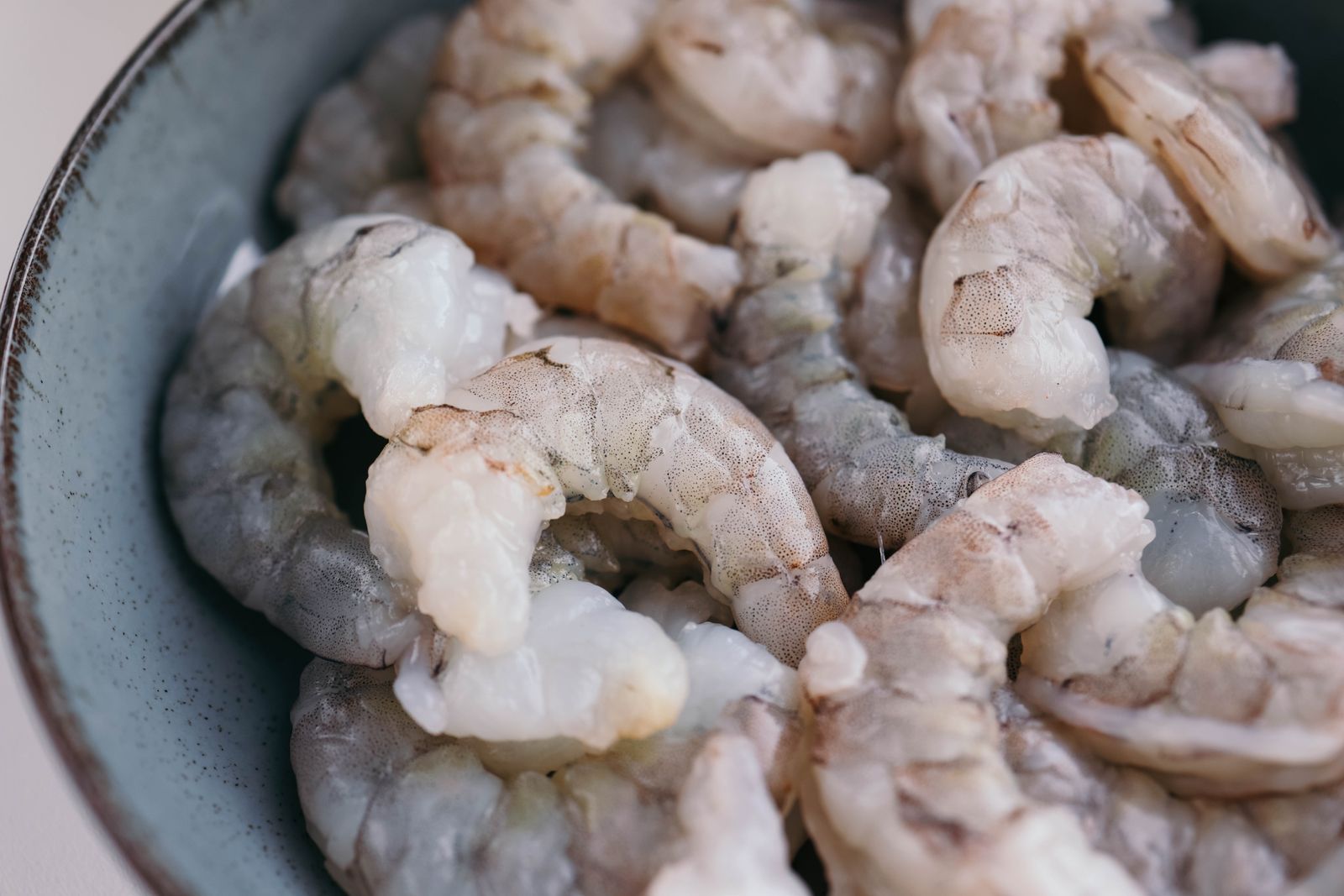
- Seafood paella: with fish, shrimp and shellfish.
- Paella mixta: with meat and seafood.
- Arròs negre: rice colored with squid ink.
- Fideuà: a noodle version of paella.
- Arroz al horno: baked rice.
Buying, tasting and choosing well
A good paella should have separate, flavorful grains with a thin crust of socarrat at the bottom. Rice should be cooked in a wide, shallow pan, not stirred, and rested before serving. Be wary of restaurants that serve paella premade or very yellow, and try to book a fresh paella that takes about 30 to 40 minutes to cook. Saffron should perfume the dish.
Did you know?
- Spaniards traditionally eat paella at lunchtime, not dinner.
- Eating directly from the pan with spoons is a tradition in some families.
- The Valencian Community has a rice appellation, D.O. Valencia.
- A giant paella has been cooked to feed thousands in record attempts.
Eating it today
Paella is a social meal. If you are cooking it at home, a wide pan and good stock matter more than lots of ingredients, and sharing it with friends is part of the fun.
Countries connected to this story
- Spain: where paella was born in the Valencia region.
- Morocco and the Moors: who brought rice to Iberia in the Middle Ages.
- Italy: where rice is grown in Piedmont and Lombardy for risotto.
- Mexico and Latin America: which have rice dishes with Spanish roots.
- Philippines: where paella is served at festive occasions because of Spanish history.
- United States and United Kingdom: where paella is a popular restaurant dish.
Where to try it
- La Pepica (Valencia, Spain): a famous restaurant on the Malvarrosa beach, known for paella since the nineteenth century.
- La Matandeta (Alfafar, near Valencia, Spain): a restaurant known for rice dishes cooked over wood fire.
- Casa Carmela (Valencia, Spain): a restaurant known for paella cooked over orange wood.
- Albufera lagoon restaurants (El Palmar, Valencia, Spain): villages around the lagoon that are famous for rice dishes.
These are well-known examples, not paid recommendations or rankings, and places change. Check opening times and details before you travel.
Well-known brands
- Calasparra and Bomba rice (DOP): protected rice varieties from Spain, sold under different brands.
- La Fallera: a Spanish brand of rice and paella ingredients.
- Carmencita: a Spanish spice brand, including saffron and paella seasoning.
- Garcima: a Spanish maker of paella pans.
Brands are named as widely known examples of makers, not as endorsements.
Many food origins are disputed. This story summarizes commonly cited accounts as an introduction, not the final word.
Photo credits: Marcelo Verfe on Pexels; Valeria Boltneva on Pexels; Jonathan Borba on Pexels. Free stock photos shown as illustrations only.