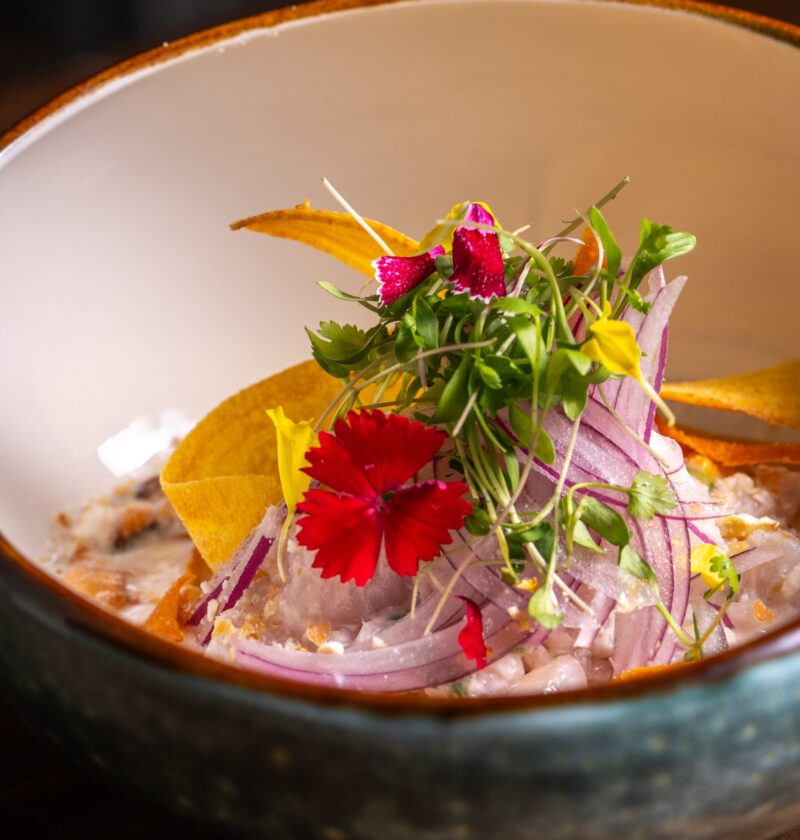
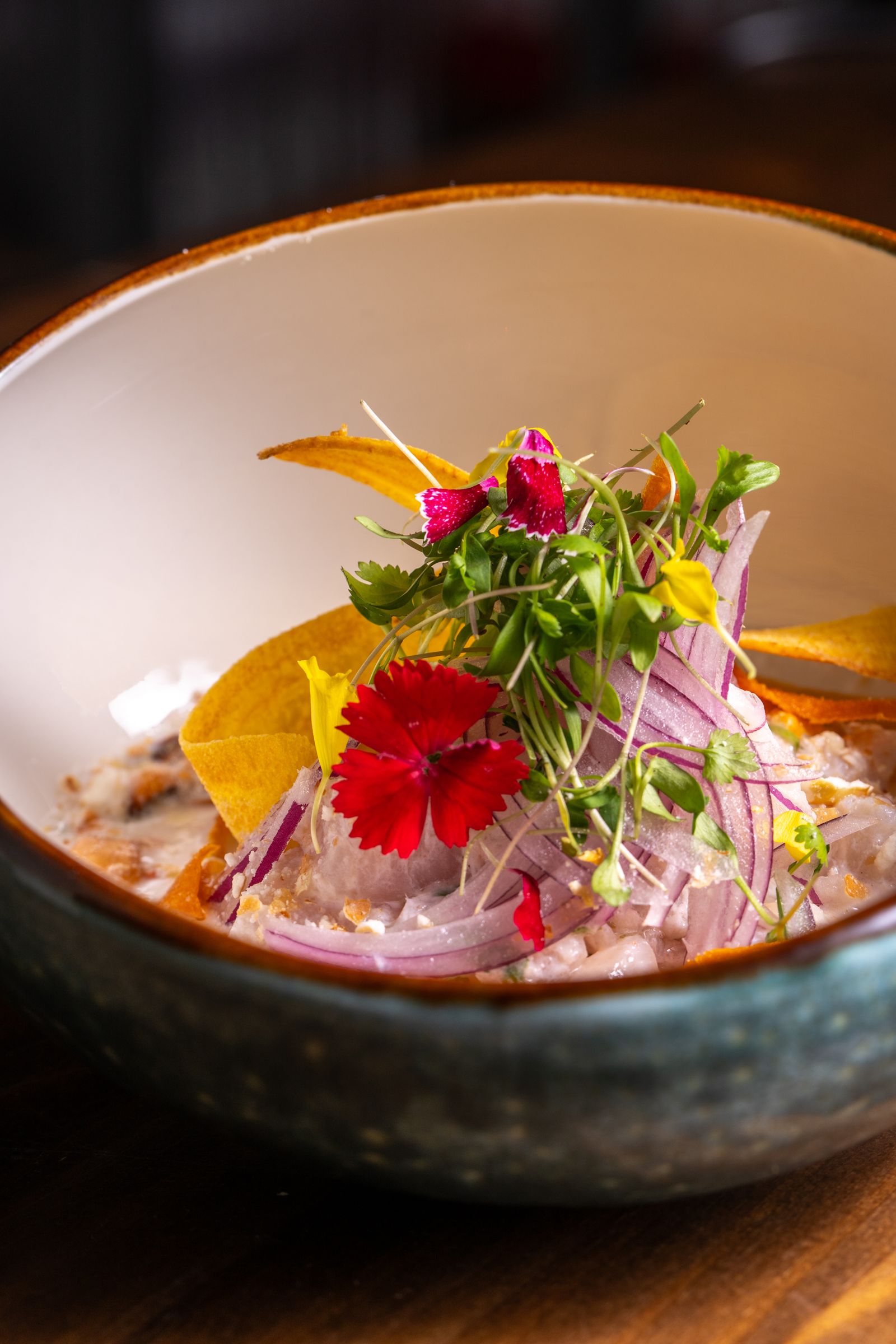
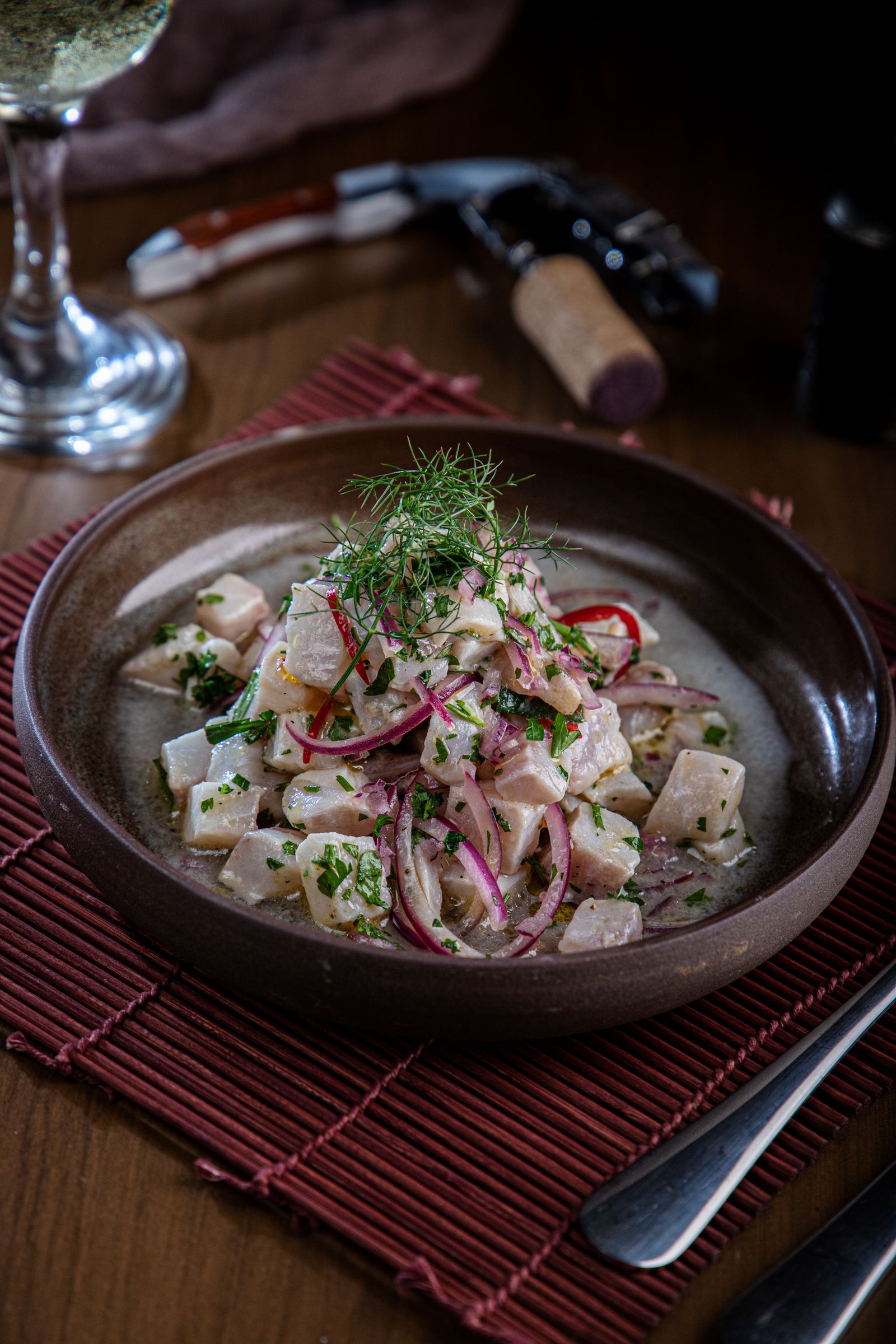
Ceviche is a dish of raw fish or seafood cured in citrus juice, usually lime, with onion, chili and cilantro. It is a national dish of Peru, eaten along the coast and celebrated every year on the Day of Ceviche, June 28.
Its origins are debated. Some historians link it to the Moche people on Peru’s northern coast about two thousand years ago, who may have cured fish with fermented fruit juice, while others point to the Inca, who used chicha and salt. Citrus fruits such as limes and sour oranges arrived with the Spanish, and they gave ceviche its modern form, along with onions. Other theories suggest ties to Moorish cooking in Spain, and no single theory has been proved.
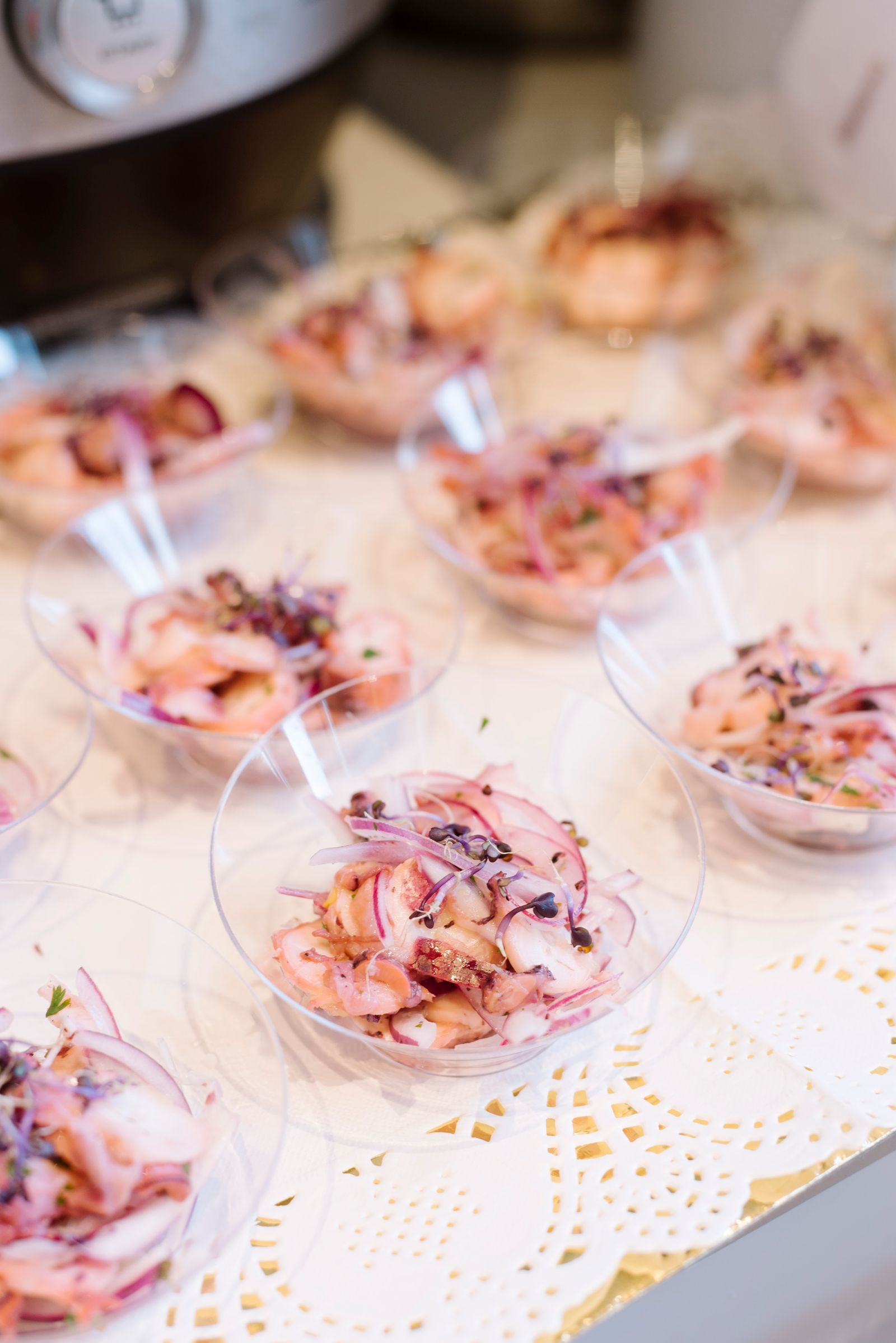
Traditional ceviche is made right before serving. The fish, often sea bass or flounder, is cut into cubes, mixed with salt, lime juice, chili (such as ají limo) and sliced red onion, and eaten within minutes, often with sweet potato, corn and toasted corn kernels. The leftover marinade, “leche de tigre” or tiger’s milk, is served as a drink or a small appetizer.
Peruvian ceviche was later influenced by Japanese immigrants, who arrived in the late nineteenth century, and the cuisine known as Nikkei, which uses fresher fish and shorter marinating times. In 2023, UNESCO added “Ceviche, Peruvian gastronomic practice” to its list of intangible cultural heritage. Ceviche has also become a regional specialty in Ecuador, Mexico, Chile, Colombia and across Central America.
The story in more depth
Ceviche is part of a larger Peruvian food culture, which has drawn from Indigenous, Spanish, African, Chinese and Japanese influences. Lima has become a leading gastronomic capital, and chefs such as Gastón Acurio have promoted Peruvian cuisine abroad. Ceviche is traditionally eaten at lunchtime, because fish is freshest in the morning, and restaurants called cevicherías often close in the afternoon.
Food safety is important. Citrus juice changes the texture and appearance of raw fish, but it does not reliably kill all bacteria or parasites. Good ceviche relies on very fresh fish from reputable sources. Pregnant people, children, older adults and people with weakened immune systems are usually advised to avoid raw seafood. Cooked versions, with shrimp or octopus, are common alternatives.
A timeline
- About 2,000 years ago: Coastal peoples of Peru eat cured fish in some theories.
- 1500s: Spanish settlers bring limes and onions.
- 1800s: Ceviche is documented in Lima and along the coast.
- Late 1800s: Japanese immigrants influence Peruvian cooking.
- 2004: Peru declares ceviche part of its national heritage.
- 2023: UNESCO inscribes Peruvian ceviche on the intangible heritage list.
Regional styles and variations
- Ceviche clásico: fish, lime, onion, chili.
- Ceviche mixto: with mixed seafood.
- Leche de tigre: the citrus marinade served as a drink.
- Tiradito: sliced fish with sauce, a Nikkei-influenced dish.
- Ecuadorian ceviche: shrimp with tomato sauce and orange.
- Mexican aguachile: shrimp in chili-lime liquid.
Buying, tasting and choosing well
Choose a restaurant that serves ceviche made to order with very fresh fish, and eat it right away. The fish should be firm, translucent to white, with bright citrus and chili flavor. Sweet potato and corn are classic accompaniments. If you are pregnant, elderly, a young child or have a weakened immune system, avoid raw seafood or choose cooked versions.
Did you know?
- Ceviche is traditionally eaten at lunchtime in Peru.
- The fish “cooks” in acid, but is not heated.
- Leche de tigre is sometimes drunk as a hangover remedy.
- The Peruvian national day of ceviche is June 28.
Eating it today
Ceviche is bright, fresh and fast. If making it at home, buy sushi-grade fish from a trusted source, and keep everything very cold.
Countries connected to this story
- Peru: the country most associated with ceviche, with UNESCO recognition in 2023.
- Ecuador: known for shrimp ceviche with tomato and orange juice.
- Mexico: with its own ceviche and aguachile.
- Chile and Colombia: with their regional versions.
- Japan: whose Nikkei influence shaped modern Peruvian ceviche.
- United States: where Peruvian restaurants have spread in Miami, New York and Los Angeles.
Where to try it
- La Mar Cebichería (Lima, Peru): a well-known cevichería founded by Gastón Acurio.
- Maido (Lima, Peru): a Nikkei restaurant by chef Mitsuharu Tsumura, highly ranked internationally.
- Punto Azul (Lima, Peru): a popular cevichería.
- Canta Rana (Barranco, Lima, Peru): a long-running cevichería in the Barranco district.
These are well-known examples, not paid recommendations or rankings, and places change. Check opening times and details before you travel.
Well-known brands
- Inca Kola: a Peruvian soft drink often paired with ceviche.
- Cusqueña: a Peruvian beer brand.
- Goya: a brand that sells ají amarillo paste and other Latin American ingredients.
- Pisco brands such as Barsol and Tabernero: Peruvian grape spirits used in pisco sour.
Brands are named as widely known examples of makers, not as endorsements.
Many food origins are disputed. This story summarizes commonly cited accounts as an introduction, not the final word.
Photo credits: Nano Erdozain on Pexels; Eduardo Krajan on Pexels; Alina Skazka on Pexels. Free stock photos shown as illustrations only.