
Sushi is a symbol of Japan, but its roots lie in a method of preserving fish. Long ago, people in parts of Southeast Asia packed fish in cooked rice and salt. The rice fermented and kept the fish edible for months. The rice was discarded, and only the fish was eaten.
This method, known in Japan as narezushi, reached Japan centuries ago and is still made in some regions today, such as funazushi around Lake Biwa. Over time, Japanese cooks began to eat the rice as well and to shorten the fermentation, adding rice vinegar to give a sour flavor quickly.
In Edo, the city now called Tokyo, in the early nineteenth century, fast food stalls sold sushi to busy townspeople. A chef named Hanaya Yohei is often credited with popularizing nigiri sushi, in which a slice of fish is pressed onto a small mound of vinegared rice. This was quick to make and eat, and suited street-food culture.
Refrigeration and fast transport in the twentieth century made fresh raw fish easier to serve, and sushi spread across Japan and then the world. Inventions such as the California roll in North America show how sushi adapts to local tastes.
Today sushi ranges from elegant counters where chefs serve one piece at a time to conveyor-belt restaurants and home-style rolls. At its heart are good rice, careful seasoning and respect for ingredients.
The story in more depth
Edo-period Tokyo, then called Edo, was a city of busy workers, and fast food culture grew around yatai food stalls selling soba noodles, tempura and sushi. Sushi in this period was served as a snack to be eaten by hand, standing at a stall. A fresh topping on vinegared rice was simpler and quicker than the older fermented forms, and it suited the abundant fish of Edo Bay (now Tokyo Bay).
After the Great Kanto earthquake of 1923, many sushi chefs left Tokyo and carried their craft to other parts of Japan. Postwar rules in the late 1940s required sushi shops to move indoors, which shaped the modern sushi counter. In 1958, Yoshiaki Shiraishi opened the first conveyor-belt sushi restaurant in Osaka, inspired by beer bottles moving along a factory line, and conveyor sushi, called kaiten-zushi, became a worldwide format.
Outside Japan, sushi began as a food for Japanese communities and then spread to a mainstream audience, especially in the United States from the 1960s and 1970s, where inside-out rolls such as the California roll were developed for customers who were unfamiliar with seaweed. Norway helped create demand for salmon sushi from the 1980s, and Peru and Brazil developed their own Japanese-influenced cuisines through migration.
A timeline
- Ancient times: Fish is preserved in fermented rice in parts of Southeast Asia.
- 700s to 1000s: Fermented fish and rice, narezushi, is eaten in Japan.
- 1600s and 1700s: Vinegar is added to rice, shortening the time needed to make sushi.
- Early 1800s: Edo (Tokyo) street stalls sell nigiri sushi as fast food.
- 1923: The Great Kanto earthquake disperses Tokyo sushi chefs across Japan.
- 1958: The first conveyor-belt sushi restaurant opens in Osaka.
- 1960s and 1970s: Sushi reaches North America; the California roll is developed.
- 2013: UNESCO recognizes washoku, traditional Japanese cuisine, as intangible cultural heritage.
Regional styles and variations
- Nigiri: a hand-pressed mound of rice topped with fish or other ingredients.
- Maki: rice and fillings rolled in nori seaweed and cut into pieces.
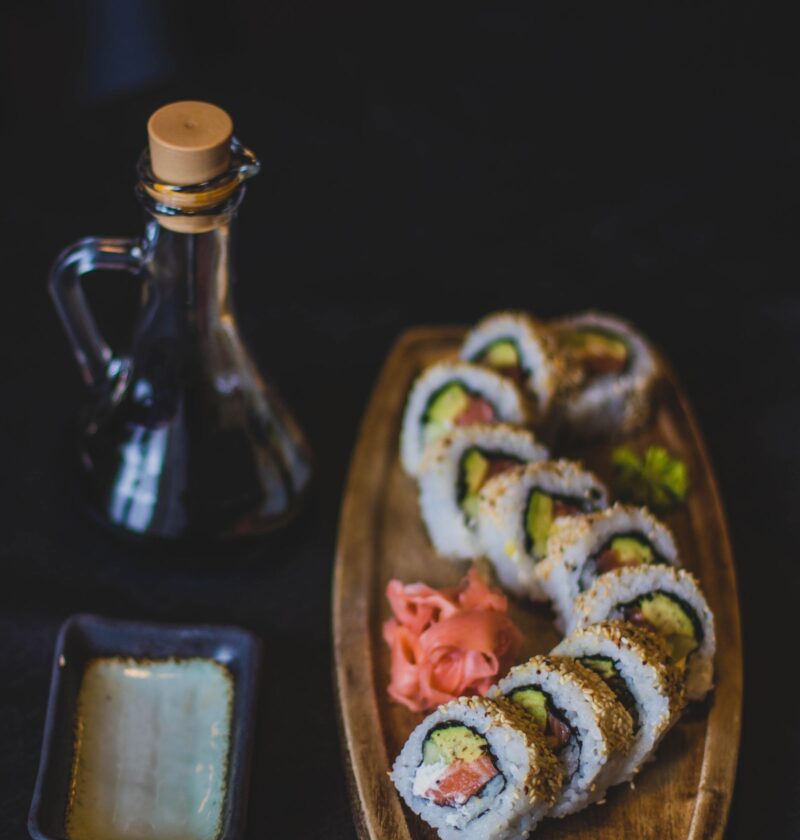
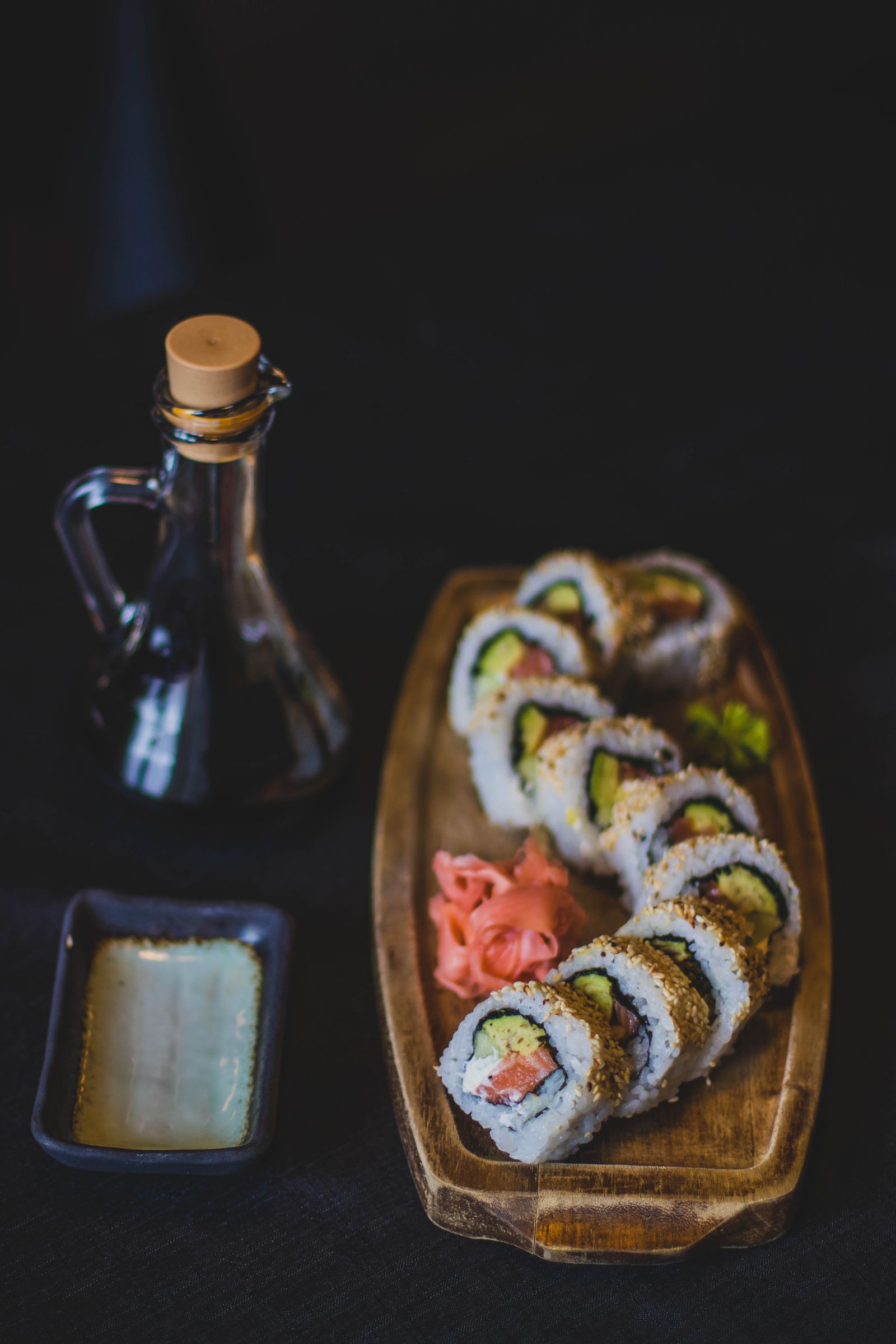
- Uramaki: an “inside-out” roll with rice on the outside.
- Temaki: a hand-rolled cone of seaweed.
- Chirashi: a bowl of vinegared rice topped with sashimi and other ingredients.
- Inari: rice stuffed in sweet fried tofu pockets.
- Oshizushi: pressed sushi, a specialty of Osaka.
Buying, tasting and choosing well
In a good sushi restaurant, look for rice that is slightly warm, glossy and seasoned with vinegar, with fish that smells fresh and clean, not “fishy”. Use only a little soy sauce, dipping the fish side rather than the rice. Ginger is a palate cleanser between pieces. If you are concerned about raw fish, choose cooked options such as eel (unagi), tamago (sweet omelette) or vegetable rolls, and avoid raw fish if pregnant or immunocompromised.
Did you know?
- The word sushi refers to the vinegared rice, not the raw fish; raw fish alone is called sashimi.
- Wasabi served in many restaurants is a mix of horseradish and mustard, as true wasabi is rare and expensive.
- Sushi chefs train for years, and the rice is considered as important as the fish.
- Bluefin tuna, once cheap, is now a luxury, and its sustainability is a concern.
Eating it today
Sushi today ranges from affordable supermarket packs to meals that cost hundreds of dollars. Whether you choose a simple roll at home or sit at a counter in Tokyo, the best experience is to enjoy quality, freshness and balance. Ask about sustainable seafood choices when you can.
Countries connected to this story
- Japan: the home of modern sushi, with regional styles such as Edomae (Tokyo) and Osaka pressed sushi.
- Southeast Asia: where the earliest fish-in-fermented-rice preservation methods are thought to have begun.
- China: an early link in the spread of fermented fish and rice before it reached Japan.
- United States: where the California roll and many creative rolls were developed.
- Peru: where Nikkei cuisine mixes Japanese and Peruvian ingredients.
- Norway: which helped popularize salmon in sushi from the 1980s.
- Brazil: home to one of the largest Japanese communities outside Japan.
Where to try it
- Sukiyabashi Jiro (Tokyo, Japan): a tiny sushi counter made world famous by the 2011 documentary “Jiro Dreams of Sushi”.
- Toyosu Market and Tsukiji Outer Market (Tokyo, Japan): the wholesale fish market (now at Toyosu) and the nearby outer market with many sushi counters.
- Mawaru Genroku Sushi (Osaka, Japan): the company linked with Shiraishi’s first conveyor-belt sushi idea.
- Nobu (Various cities worldwide): a restaurant group by chef Nobu Matsuhisa known for Japanese-Peruvian cooking.
These are well-known examples, not paid recommendations or rankings, and places change. Check opening times and details before you travel.
Well-known brands
- Kikkoman: a Japanese soy sauce maker with roots in the seventeenth century.
- Mizkan: a Japanese maker of rice vinegar and other condiments.
- Yamasa: a Japanese soy sauce brand.
- Sushiro, Kura Sushi and Genki Sushi: popular conveyor-belt sushi chains in Japan and abroad.
Brands are named as widely known examples of makers, not as endorsements.
Many food origins are disputed. This story summarizes commonly cited accounts as an introduction, not the final word.
Photo credits: Valeria Boltneva on Pexels; Jonathan Borba on Pexels; Ivan Vi on Pexels. Free stock photos shown as illustrations only.