
Chocolate comes from the seeds of the cacao tree, which grows in tropical rainforests of Central and South America. Evidence of cacao use goes back thousands of years in the region, and it was valued by the Olmec, Maya and Aztec peoples.
They did not eat chocolate bars. They ground roasted cacao into a bitter, frothy drink, sometimes seasoned with chili, vanilla or flowers. Cacao beans were also used as a kind of currency in the Aztec world.
Spanish explorers brought cacao to Europe in the sixteenth century. There, drinkers added sugar and spices such as cinnamon, and hot chocolate became a fashionable drink in royal courts and, later, in coffeehouses.
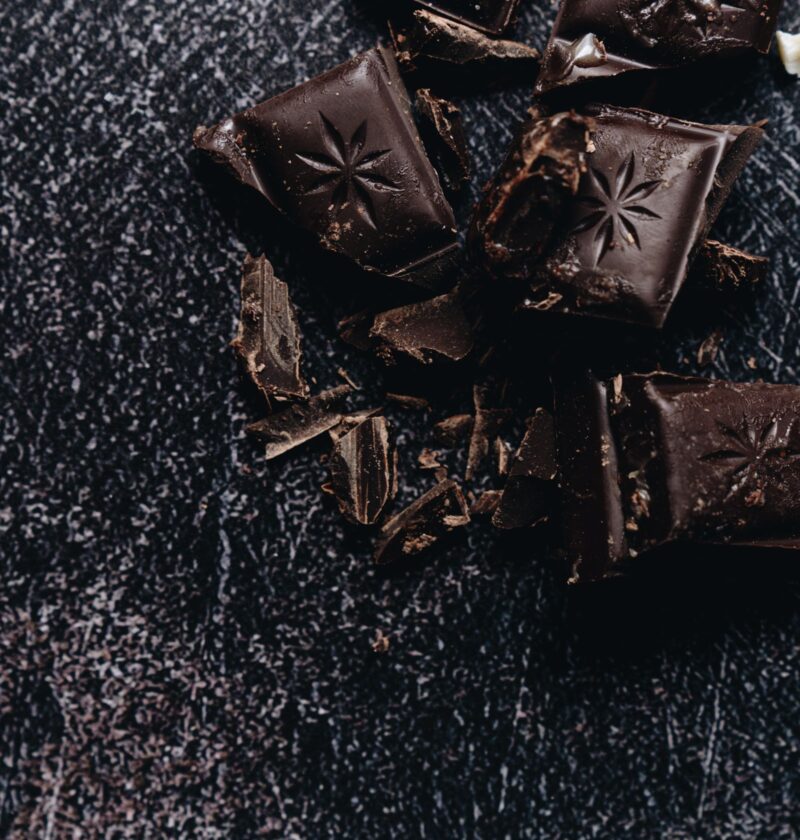
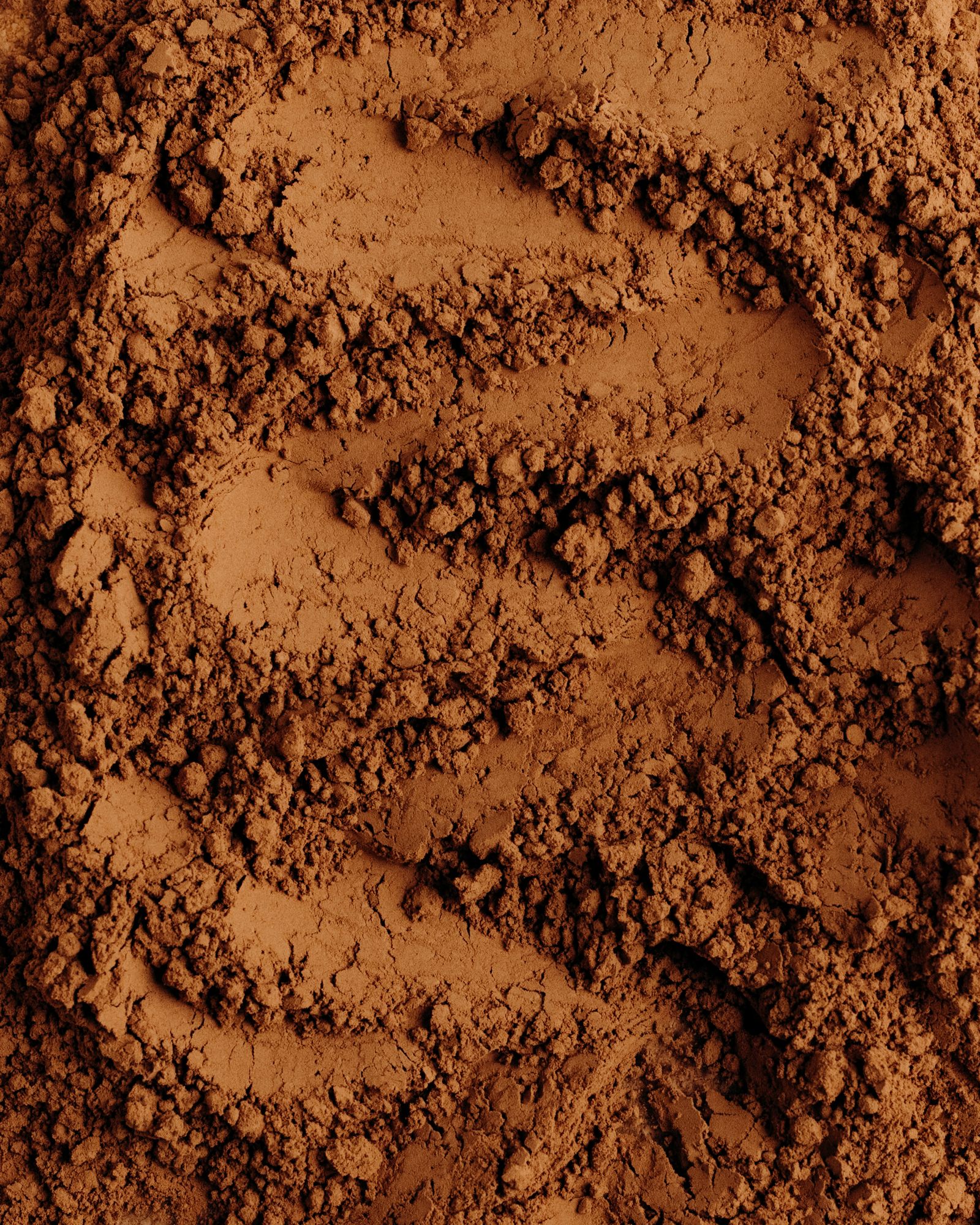
The nineteenth century transformed chocolate. In 1828, Coenraad van Houten in the Netherlands patented a press that separated cocoa butter from the solids, making cocoa powder possible. In 1847, the British firm J. S. Fry and Sons is credited with making an eating chocolate bar, and Swiss makers later developed smooth milk chocolate.
Today most cocoa is grown in West Africa, especially Ivory Coast and Ghana, along with Indonesia and Latin America. Many consumers now look for fair-trade and sustainable cocoa. A bar of chocolate carries a long history, and a global supply chain, in each square.
The story in more depth
In Europe chocolate first became a drink of the wealthy. Spanish monasteries and noble houses guarded the preparation, adding sugar and spices, and the habit spread to France, Italy, Austria and England. Chocolate houses opened in London in the seventeenth century, along with coffee houses, and became meeting places for the upper classes. Over time, new methods, from the chocolate press to conching, which was developed by Rodolphe Lindt in 1879 in Switzerland, produced smoother chocolate.
Milk chocolate was developed in Switzerland. Daniel Peter combined chocolate with condensed milk, working with Henri Nestlé, and sold milk chocolate from the 1870s. Belgium became known for filled chocolates; Jean Neuhaus is credited with inventing the praline shell in 1912. In England, Cadbury, Fry and Rowntree made chocolate a mass-market food, and in the United States, Milton Hershey built a factory town in Pennsylvania.
Cacao itself is grown by millions of smallholders, mostly in West Africa. Issues such as child labor, deforestation and low farmer incomes have led to certification programs and “bean-to-bar” makers who try to trace and pay fairly for beans. Chocolate remains a story of both indulgence and responsibility.
A timeline
- Thousands of years ago: Early cacao use in Mesoamerica and South America, with later evidence from Olmec and Maya sites.
- 1500s: The Aztec and Maya drink chocolate; Spanish explorers bring it to Europe.
- 1657: A chocolate house opens in London.
- 1828: Coenraad van Houten patents a cocoa press in the Netherlands.
- 1847: J. S. Fry and Sons is credited with making an eating chocolate bar.
- 1875: Daniel Peter in Switzerland makes milk chocolate.
- 1879: Rodolphe Lindt invents conching, giving smooth chocolate.
- 1894: Milton Hershey begins making chocolate in Pennsylvania, USA.
Regional styles and variations
- Dark chocolate: with a high percentage of cocoa solids and little or no milk.
- Milk chocolate: smoother and sweeter, with milk powder.
- White chocolate: made with cocoa butter, sugar and milk but no cocoa solids.
- Ruby chocolate: a pink chocolate introduced in 2017 and made from specially processed cocoa beans.
- Mexican chocolate: coarser and flavored with cinnamon, often used for hot chocolate and mole.
- Single-origin bars: made from beans of one region, highlighting its flavor.
Buying, tasting and choosing well
Choose chocolate by reading the label. A short ingredient list with cocoa mass, cocoa butter and sugar suggests a good bar, and the percentage tells you how much comes from the cacao bean. Taste slowly and let a small piece melt on your tongue. Store chocolate in a cool, dry place away from strong smells. Look for certifications such as Fairtrade or Rainforest Alliance if you want to support farmers and forest protection.
Did you know?
- It takes hundreds of cacao beans to make a kilogram of chocolate.
- Cacao trees grow only within a few degrees of the equator.
- The scientific name, Theobroma cacao, means “food of the gods”.
- Chocolate melts near body temperature, which gives it its distinctive mouthfeel.
Eating it today
Chocolate is both an everyday treat and an artisan craft. Bean-to-bar makers are experimenting with origins and fermentation, and consumers are asking where their chocolate comes from. Enjoying it with attention, and perhaps buying less but better, is one way to honor its long history.
Countries connected to this story
- Mexico and Guatemala: the original home of cacao, used by the Olmec, Maya and Aztec.
- Spain: the first European country to adopt chocolate in the sixteenth century.
- Switzerland: known for smooth milk chocolate and makers such as Lindt.
- Belgium: famous for pralines and fine filled chocolates.
- United Kingdom: the home of Cadbury, Fry’s and Rowntree’s.
- Ivory Coast and Ghana: the largest producers of cocoa beans in the world.
- Netherlands: where Van Houten developed the cocoa press.
Where to try it
- Angelina (Paris, France): a famous tea room known for its thick hot chocolate, “L’Africain”, founded in 1903.
- Lindt Home of Chocolate (Kilchberg, near Zurich, Switzerland): a visitor attraction run by Lindt & Sprüngli.
- Cadbury World (Birmingham, United Kingdom): a visitor attraction at the Bournville site.
- Neuhaus (Brussels, Belgium): a historic chocolatier in the Galeries Royales Saint-Hubert.
These are well-known examples, not paid recommendations or rankings, and places change. Check opening times and details before you travel.
Well-known brands
- Lindt & Sprüngli: a Swiss chocolate maker known for smooth chocolate and truffles.
- Cadbury: a British brand founded in 1824, now part of Mondelez.
- Hershey’s: an American brand founded by Milton Hershey in 1894.
- Valrhona: a French maker of high-quality chocolate used by chefs.
- Callebaut: a Belgian maker of chocolate used by bakers and chocolatiers.
Brands are named as widely known examples of makers, not as endorsements.
Related: Chocolate and cocoa powder, or try Fudgy Cocoa Brownies.
Many food origins are disputed. This story summarizes commonly cited accounts as an introduction, not the final word.
Photo credits: alleksana on Pexels; Any Melnic on Pexels; Mohammad Fahim on Pexels. Free stock photos shown as illustrations only.