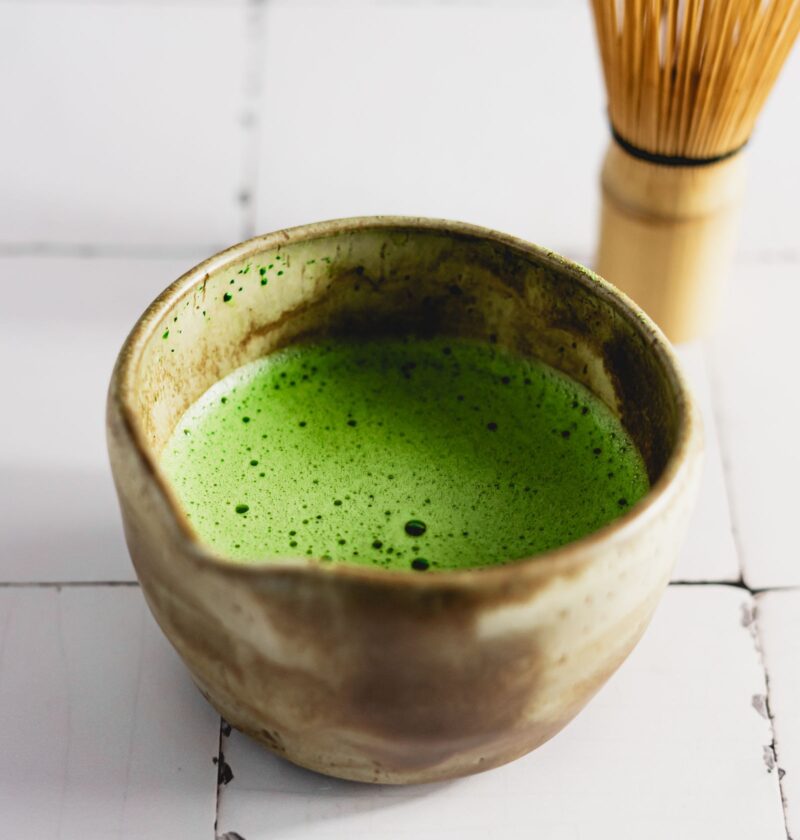
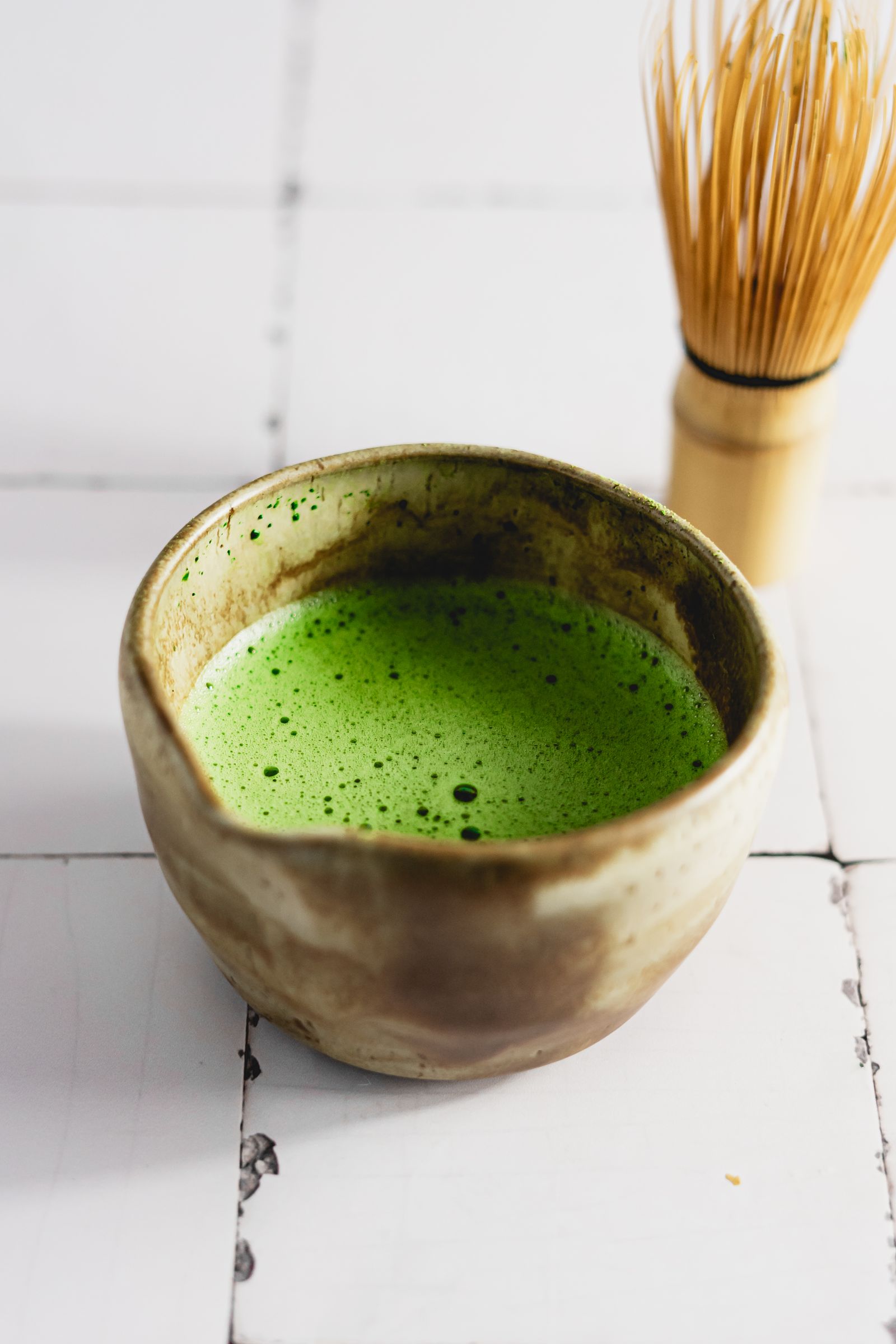
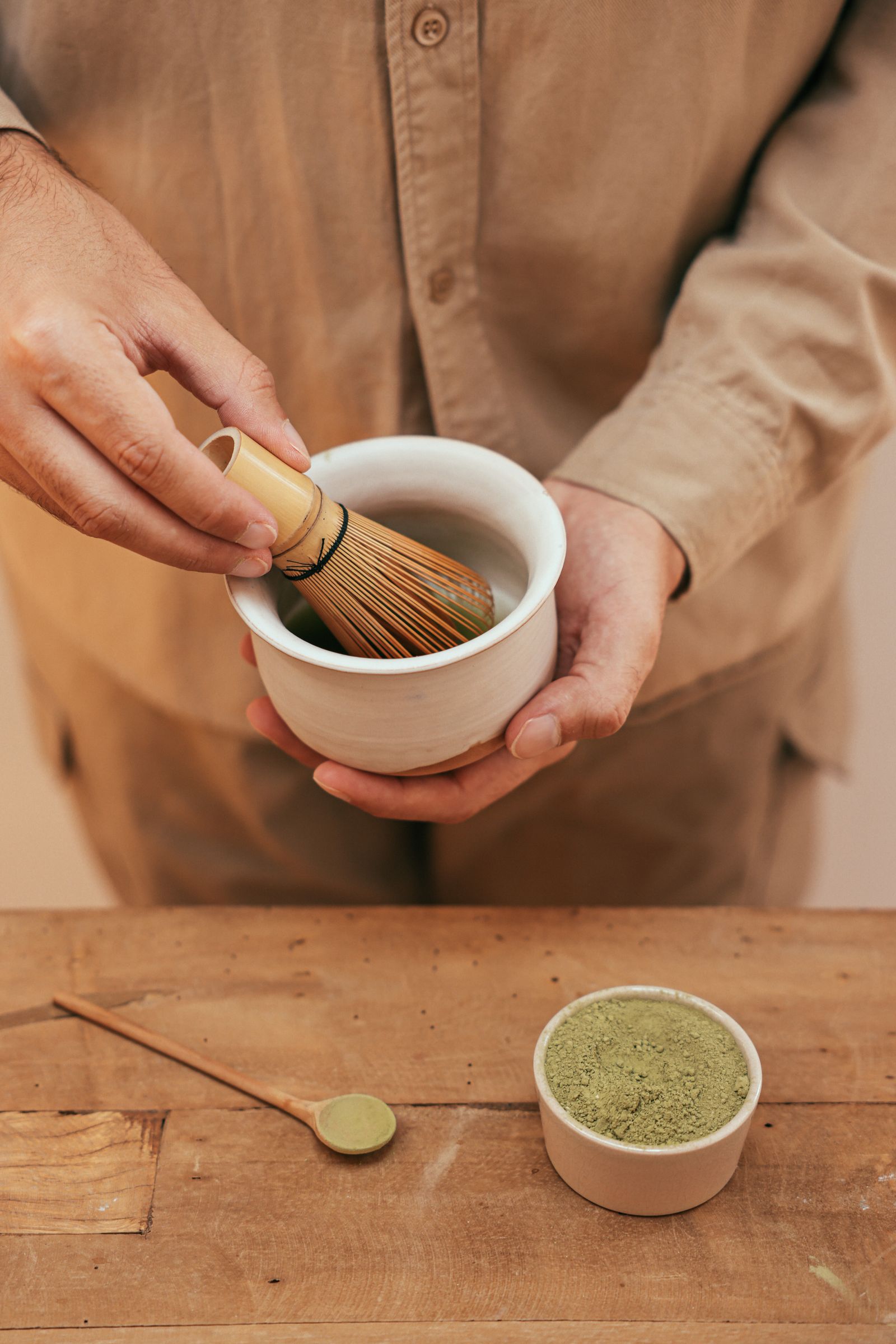
Matcha is a fine powder made from shade-grown green tea leaves, whisked with hot water into a frothy, vivid green drink. Today it appears in lattes, ice cream and cakes worldwide, but its roots lie in medieval Japan and in Buddhist monasteries.
Powdered tea was drunk in China during the Tang and Song dynasties, and it was brought to Japan by Buddhist monks. The monk Eisai, who traveled to China, is traditionally credited with bringing tea seeds back in 1191 and with writing a book on the health benefits of tea in the early thirteenth century. Tea drinking spread through temples and then the samurai class, and the region around Uji, near Kyoto, became known for fine tea.
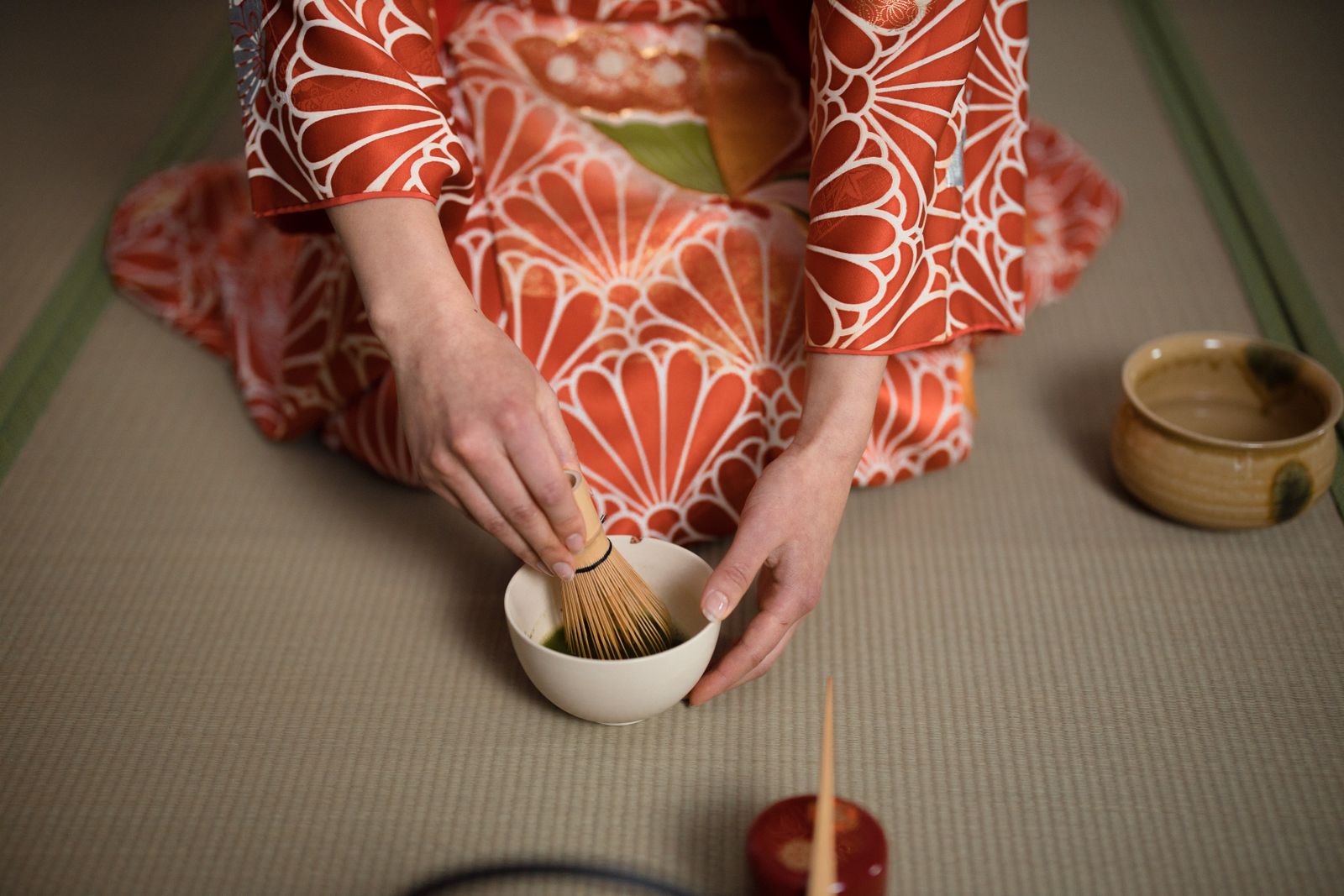
The ritual known as chanoyu, the Japanese tea ceremony, was shaped in the sixteenth century by the tea master Sen no Rikyū. He promoted the aesthetic of wabi-cha, a simple, humble approach centered on rustic tea bowls, small tea rooms and quiet hospitality. The principles of harmony, respect, purity and tranquility are still taught by tea schools such as Urasenke, Omotesenke and Mushakōjisenke.
Making matcha is a careful process. About three weeks before harvest, tea bushes are covered to shade them from sun, which raises levels of chlorophyll and the amino acid theanine, giving the leaves a deep green color and a sweet, savory taste. The leaves are steamed, dried and de-stemmed to become tencha, then ground slowly in granite stone mills into a fine powder.
The story in more depth
After the Edo period, steeped sencha leaf tea became the common daily tea in Japan, while matcha was kept for ceremonies and special occasions. In recent decades, matcha has returned as an everyday ingredient, in matcha lattes, soft-serve ice cream, Kit Kats, cakes and cocktails. Grades range from ceremonial matcha, which is smooth and sweet and meant to be whisked with water, to culinary grades, which are stronger and used in cooking and baking.
The tea ceremony also has its own tools: the chawan (bowl), chasen (bamboo whisk), chashaku (scoop) and natsume (tea caddy). A guest is served a seasonal sweet, wagashi, before the bitter tea to balance the flavor. The ceremony is a form of art and meditation, as well as hospitality, and has influenced Japanese architecture, gardens and ceramics.
A timeline
- Tang and Song dynasties: Powdered tea is drunk in China.
- 1191: The monk Eisai is traditionally credited with bringing tea seeds to Japan.
- 1200s: Eisai writes about tea’s health benefits.
- 1500s: Sen no Rikyū shapes the wabi-cha tea ceremony.
- 1854: Nakamura Tokichi is founded in Uji.
- 2000s: Matcha spreads to cafés and desserts worldwide.
Regional styles and variations
- Ceremonial matcha: smooth, sweet and meant to be whisked and drunk plain.
- Culinary matcha: stronger, used for lattes, baking and sweets.
- Usucha: thin tea, the everyday ceremony style.
- Koicha: thick tea, served at formal ceremonies.
- Matcha latte: matcha with steamed milk.
- Matcha desserts: ice cream, cakes, mochi and chocolates.
Buying, tasting and choosing well
Good matcha is a bright, vivid green, finely powdered and fresh smelling. Dull, yellowish or brown matcha is likely old or poor quality. Sift the powder, use water at about 70 to 80 C (not boiling), and whisk in a zigzag motion until frothy. Store matcha in a sealed tin in the refrigerator, and use within a few months of opening.
Did you know?
- Matcha contains caffeine along with the amino acid theanine.
- Leaves are shaded to grow before harvest.
- Because you drink the whole leaf, quality and sourcing matter.
- The tea ceremony can take hours in its full form.
Eating it today
Matcha invites slowness. Even a simple bowl at home, prepared with attention, can be a short ritual in a busy day.
Countries connected to this story
- Japan: the home of matcha and the tea ceremony, with growing regions around Uji (Kyoto), Nishio (Aichi), Shizuoka and Kagoshima.
- China: where powdered tea was drunk in the Tang and Song dynasties.
- Korea: which also has a strong tea culture, including green tea and tea ceremonies.
- United States and Europe: where matcha lattes and cafés have grown rapidly.
- Taiwan: with a vibrant tea culture, including matcha drinks.
Where to try it
- Ippodo Tea (Kyoto, Japan): a famous tea merchant in business since 1717, with a tea room.
- Nakamura Tokichi Honten (Uji, Japan): a long-established tea house known for matcha desserts, founded in 1854.
- Tsujiri (Kyoto, Japan): a well-known matcha dessert and tea house, established in 1860.
- Urasenke Konnichian (Kyoto, Japan): the center of the Urasenke tea school, with cultural programs.
These are well-known examples, not paid recommendations or rankings, and places change. Check opening times and details before you travel.
Well-known brands
- Ippodo: a Kyoto tea company that sells matcha worldwide.
- Marukyu Koyamaen: an Uji tea producer with a history going back to the eighteenth century.
- Aiya: a Japanese company that supplies matcha around the world.
- Tsujiri: a Kyoto brand known for matcha products.
Brands are named as widely known examples of makers, not as endorsements.
Related: Black tea and Masala Chai show a very different tea tradition.
Many food origins are disputed. This story summarizes commonly cited accounts as an introduction, not the final word.
Photo credits: Julias Torten und Törtchen on Pexels; Cup of Couple on Pexels; cottonbro studio on Pexels. Free stock photos shown as illustrations only.