Few foods have shaped history as much as the potato. People in the Andes of South America began cultivating it around eight thousand years ago, developing hundreds of varieties suited to different altitudes. Freeze-dried potatoes, called chuño, were stored by Andean peoples as a safe food reserve.
Spanish explorers brought potatoes to Europe in the sixteenth century. They were slow to be accepted, with some people suspicious of a tuber that grew underground and was not mentioned in the Bible. Over time, farmers realized that potatoes grew well in poor soil and gave more calories per acre than grain.
In Ireland, the potato became the main food of many poor families. This dependence was dangerous. From 1845, a disease called potato blight, caused by Phytophthora infestans, destroyed crops across Ireland for several years. The Great Famine killed about a million people, and a million or more emigrated, changing Irish society and spreading Irish communities around the world.
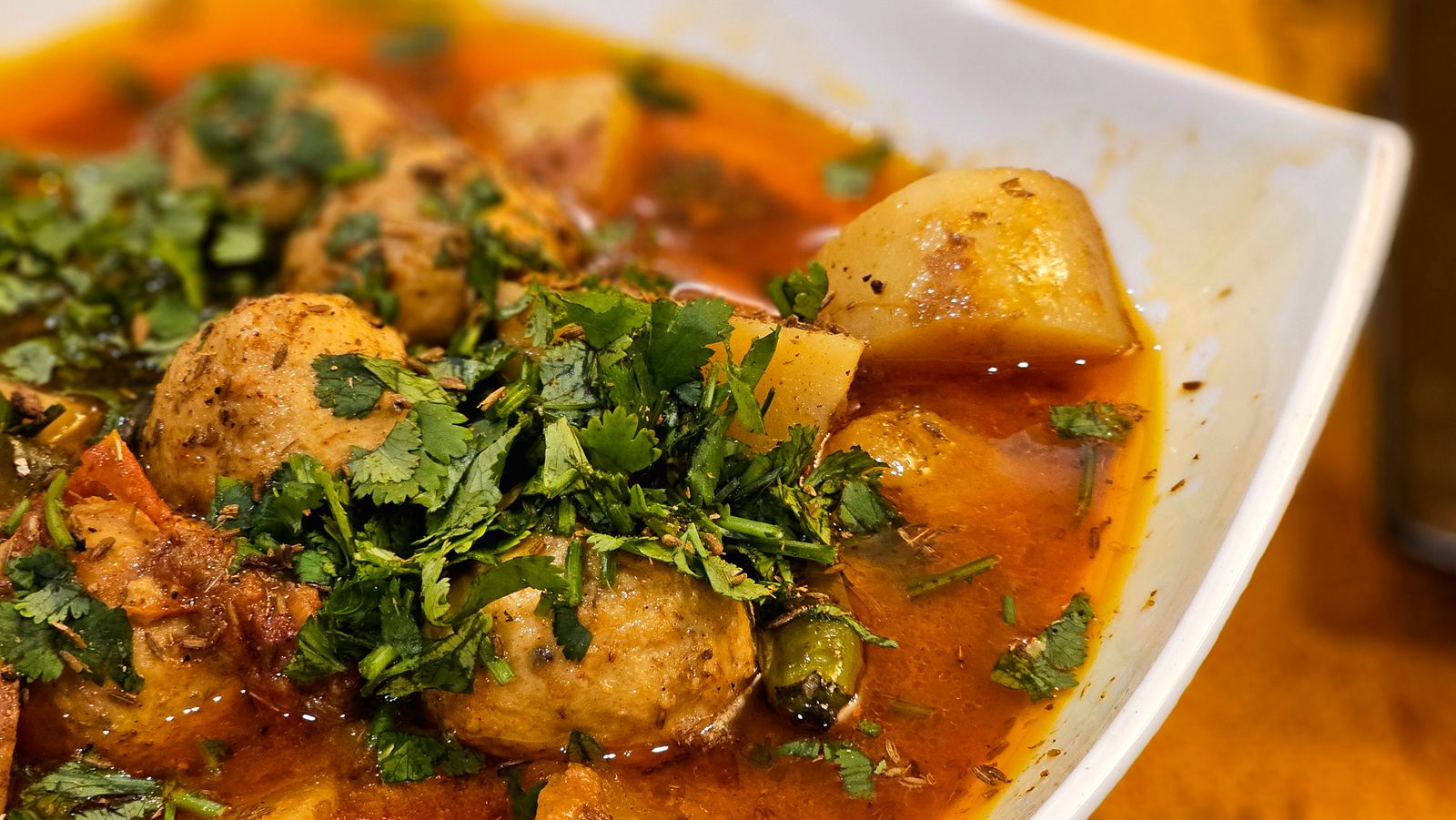
Potatoes also traveled east. Traders took them to India, where they entered everyday cooking in dishes like aloo gobi, and to China, which is now the world’s largest producer.
From French fries to Peruvian papa a la huancaina, from gnocchi to samosas, the potato appears in nearly every cuisine. Its history is a reminder of how much we rely on a few crops, and why diversity of varieties matters.
The story in more depth
In the Andes, farmers developed thousands of potato varieties adapted to different altitudes, colors and tastes, and dried them by freezing and trampling to make chuño. This diversity was a safeguard against disease, a lesson later painfully learned in Europe, where fewer varieties were grown. The International Potato Center in Lima, Peru, now preserves many of the Andean varieties.
In Europe, rulers and scientists promoted the potato. In France, the pharmacist Antoine-Augustin Parmentier championed it in the eighteenth century after eating it as a prisoner of war in Prussia; in Prussia, Frederick the Great urged farmers to plant it. The potato supported population growth and fed armies, and later became the base of dishes such as French fries, gnocchi, rösti and potato dumplings.
The Great Famine in Ireland, from 1845 to 1852, remains one of the most studied food catastrophes in history. Potato blight destroyed crops, and the failures of government relief made the human cost far greater. The famine led to mass emigration to North America, Britain and Australia. Today, potatoes remain a staple around the world, with China and India the leading producers.
A timeline
- About 8,000 years ago: Potatoes are domesticated in the Andes near Lake Titicaca.
- 1500s: Spanish explorers bring potatoes to Europe.
- 1700s: Governments and thinkers in Prussia, France and elsewhere promote potatoes against hunger.
- 1845 to 1852: Potato blight causes the Great Famine in Ireland.
- 1853: A legend credits a cook at Saratoga Springs, New York, with inventing the potato chip (crisp), though the details are disputed.
- 1957: McCain starts making frozen potato products in Canada.
- 2008: The United Nations marks the International Year of the Potato.
Regional styles and variations
- Russet and Idaho: large, floury potatoes good for baking and fries.
- Yukon Gold: yellow, buttery potatoes good for mash and roasting.
- Waxy new potatoes: small potatoes that hold their shape in salads.
- Purple Peruvian: a colorful Andean variety used in salads and chips.
- Chuño: Andean freeze-dried potatoes.
- Aloo in India: potatoes cooked with spices in dishes like aloo gobi and samosas.
Buying, tasting and choosing well
Choose firm potatoes without green patches, sprouts or soft spots. Store them in a cool, dark, ventilated place, away from onions. Match the potato to the dish: floury types for fluffy mash and fries, waxy types for salads and gratins. Green skin signals solanine, a bitter compound that should be cut away generously.
Did you know?
- Potatoes are one of the most important food crops in the world after rice, wheat and maize.
- The Andes have thousands of varieties in many colors and shapes.
- Potatoes are about 80 percent water.
- They were among the first foods grown in space experiments.
Eating it today
From fries to gnocchi to curries, the potato is a food of comfort everywhere. Seeking out heirloom varieties, or supporting farmers who grow diverse crops, is one way to protect the crop’s resilience.
Countries connected to this story
- Peru and Bolivia: the home of the potato, with thousands of native varieties.
- Spain: where potatoes were first brought to Europe.
- Ireland: whose history was profoundly shaped by the potato and the Great Famine.
- Belgium and France: famous for frites and pommes frites.
- Switzerland: known for rösti.
- India: where aloo dishes are everyday food.
- China: the world’s largest potato producer.
- Germany and Eastern Europe: where potato dishes such as Kartoffelsalat and pierogi are common.
Where to try it
- Maison Antoine (Brussels, Belgium): a well-known frietkot (fry stand) on Place Jourdan.
- La Banquise (Montreal, Canada): a restaurant known for many varieties of poutine, open around the clock.
- International Potato Center (CIP) (Lima, Peru): a research center that preserves thousands of potato varieties.
- Irish Famine Museum and Strokestown Park (County Roscommon, Ireland): a museum about the Great Famine.
These are well-known examples, not paid recommendations or rankings, and places change. Check opening times and details before you travel.
Well-known brands
- McCain: a Canadian company known for frozen fries and potato products, founded in 1957.
- Lay’s: a global brand of potato chips, part of Frito-Lay.
- Walkers: a British brand of crisps.
- Pringles: a stackable potato crisp brand originally from the United States.
Brands are named as widely known examples of makers, not as endorsements.
Many food origins are disputed. This story summarizes commonly cited accounts as an introduction, not the final word.
Photo credits: L. Lum on Pexels; Muhammad Khawar Nazir on Pexels; Anil Sharma on Pexels. Free stock photos shown as illustrations only.