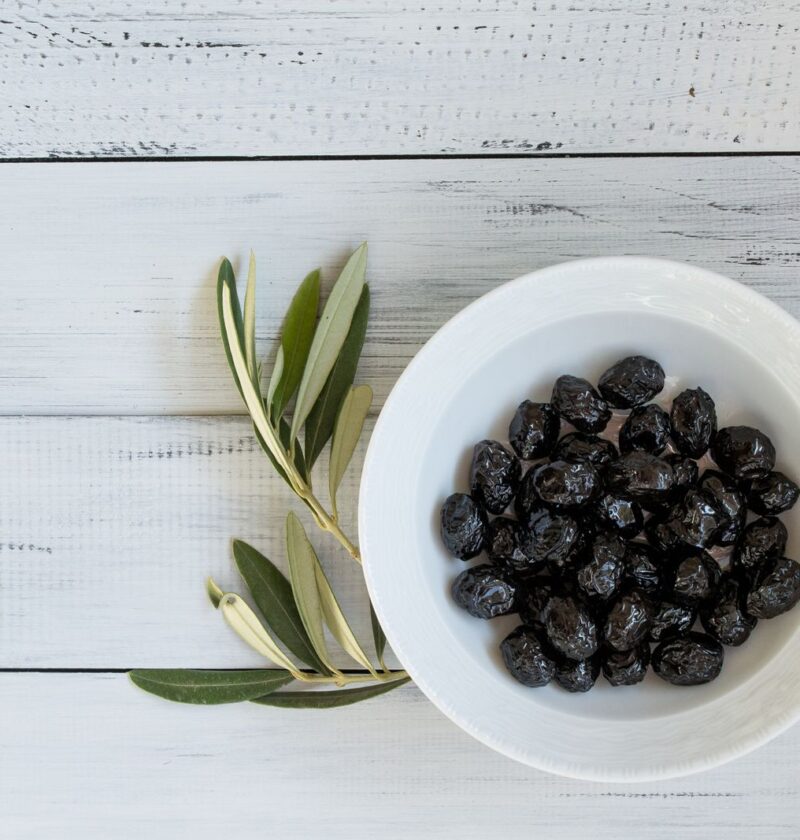
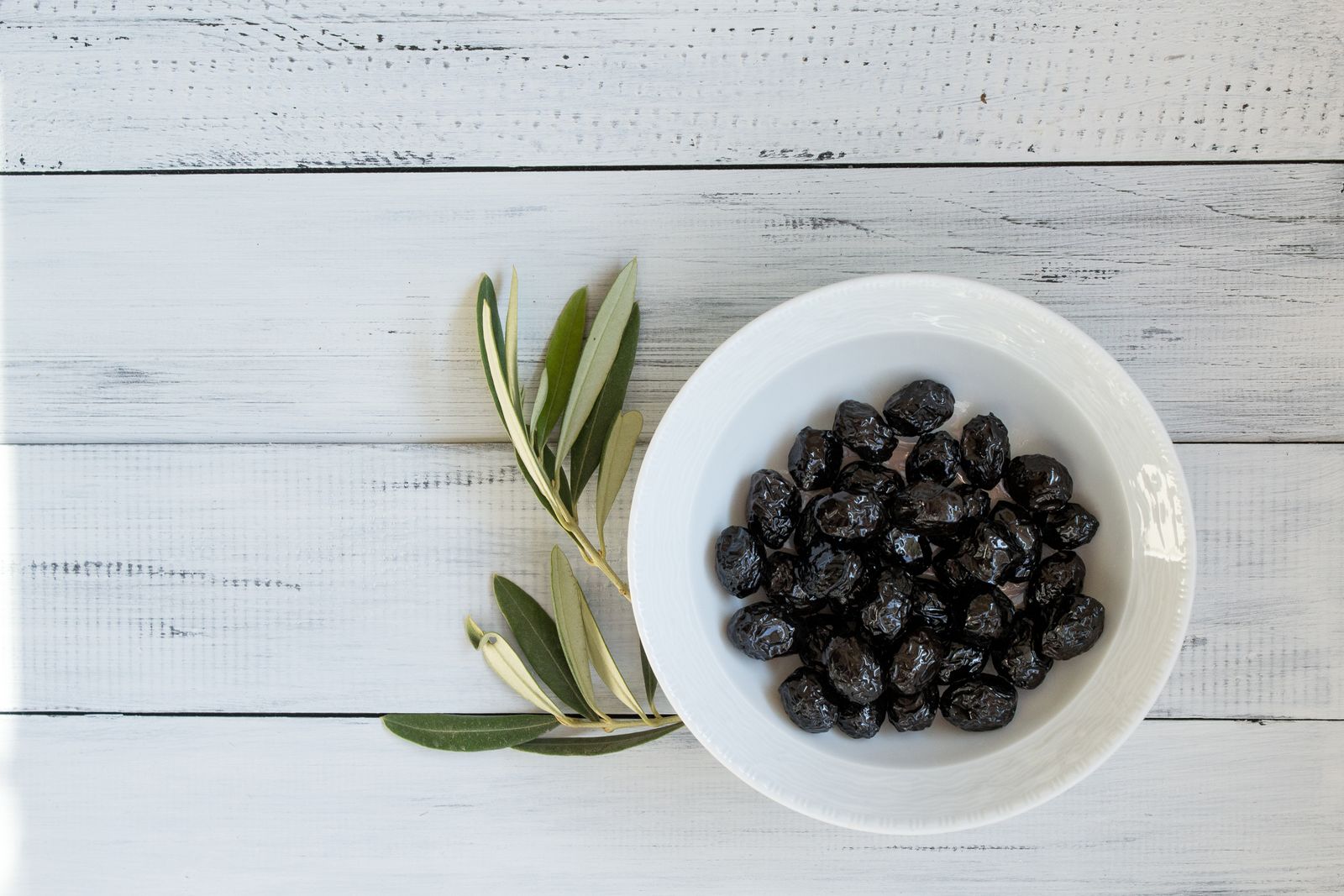
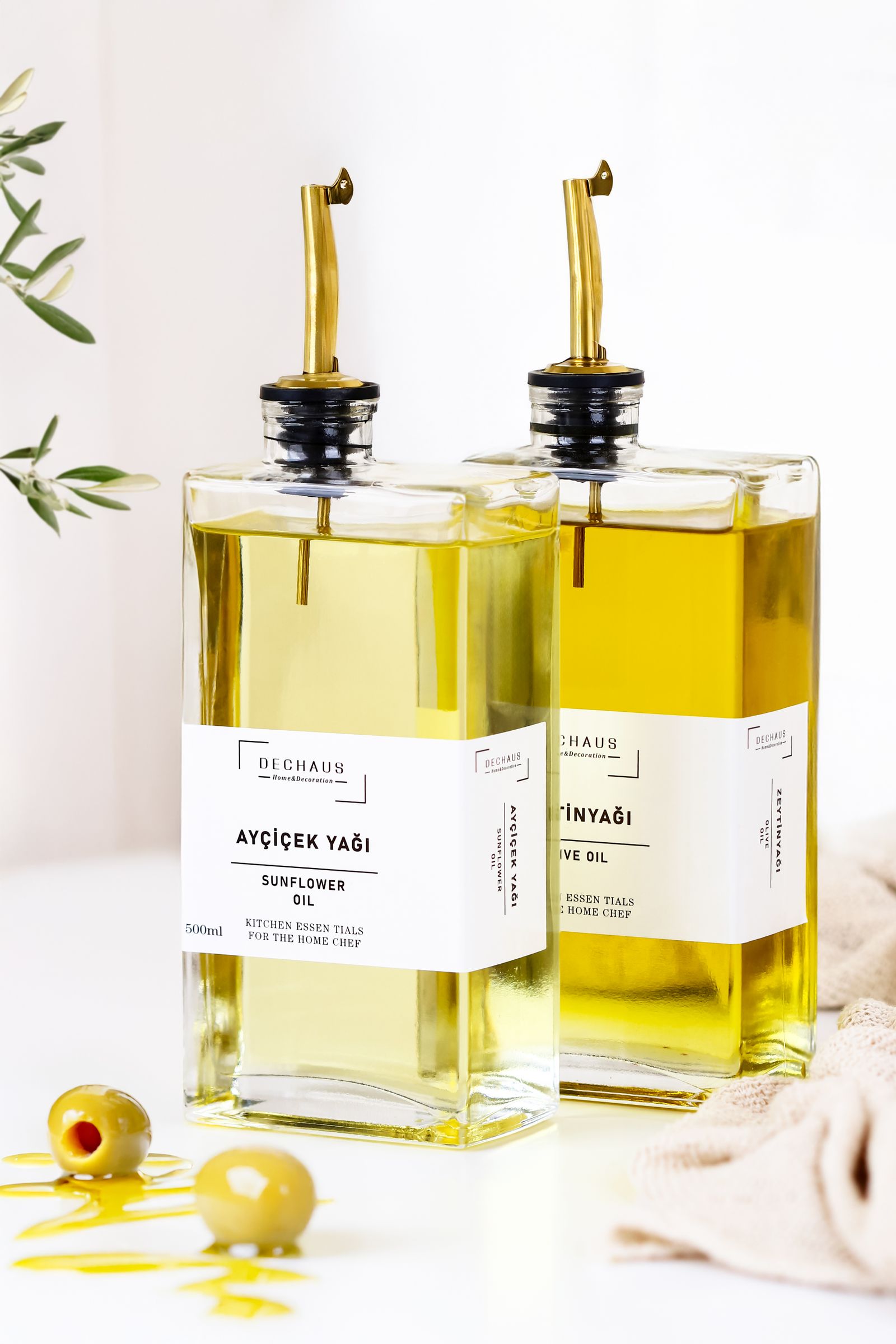
Olive trees have been cultivated around the Mediterranean for thousands of years, and olive oil has long been central to cooking, lighting, cosmetics and ritual. Evidence of olive pressing goes back to the Bronze Age in places such as Crete.
Greek myth says the goddess Athena gave the olive tree to the city of Athens, winning the city’s patronage in a contest with Poseidon. Whether or not the story is literally true, olive trees were precious. At the ancient Panathenaic Games in Athens, winners were awarded amphorae filled with olive oil from sacred trees.
Oil was produced by crushing olives into a paste and pressing it. Today, extra virgin olive oil is made by mechanical pressing without chemical solvents, and must meet standards for acidity and flavor set by the International Olive Council and the European Union.
Spain is now the world’s largest producer, followed by Italy, Greece and Tunisia. Different olive varieties and regions give oils that taste peppery, grassy, buttery or fruity.
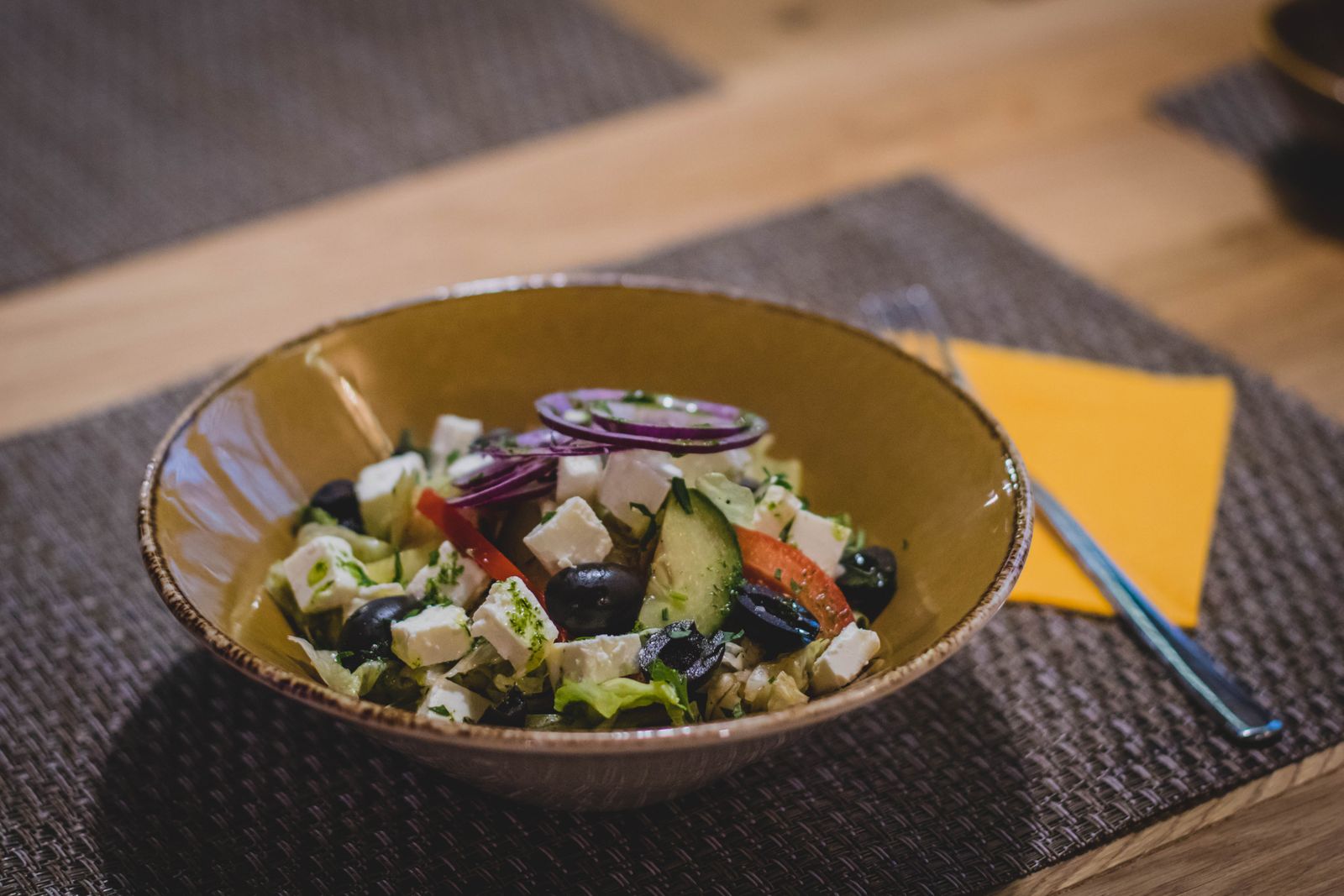
In the kitchen, olive oil is used for dressings, sautéing, baking and finishing dishes. Good oil should be stored in a cool, dark place, since light and heat spoil it. It is a reminder of how one tree shaped the culture and cuisine of a whole region.
The story in more depth
Olive oil influenced trade across the Mediterranean. Phoenician and Greek merchants shipped it in amphorae, and the ancient Romans developed large presses and plantations across North Africa and Spain. The remains of oil presses have been found in many archaeological sites in Italy, Tunisia and Syria. Olive oil was also used in lamps, in perfumes, as soap and as a ritual oil for anointing.
The quality of olive oil depends on how the olives are grown, harvested and pressed. Early harvest oils tend to be more bitter and peppery, containing more polyphenols, while later harvests are milder. Extra virgin olive oil must be tested for acidity and sensory quality. Fraud, in which cheaper oils are sold as extra virgin, has been an issue, so buying from trusted producers and checking harvest dates helps.
Olive oil is central to the Mediterranean diet, which UNESCO recognized as intangible cultural heritage in 2010, shared by countries such as Spain, Italy, Greece and Morocco. Olive trees can live for hundreds or even thousands of years, and some ancient trees in places such as Crete, Lebanon and Palestine are famous for their age. The olive branch has also been a symbol of peace since ancient times.
A timeline
- About 6,000 years ago: Olives are cultivated in the eastern Mediterranean.
- About 2000 BCE: Olive oil is used on Crete.
- Around 566 BCE: The Great Panathenaic Games in Athens, traditionally dated to this period, award amphorae of olive oil as prizes.
- Roman times: Large estates produce oil for trade.
- 2010: The Mediterranean diet is listed by UNESCO.
- Today: Spain, Italy, Greece and Tunisia are leading producers.
Regional styles and variations
- Extra virgin: the highest grade, from mechanical pressing and with excellent flavor.
- Virgin: slightly lower quality.
- Light or refined: milder and used for general cooking.
- Early harvest: green, peppery and bold.
- PDO oils: from specific regions with protected names.
- Flavored oils: infused with herbs, lemon or chili.
Buying, tasting and choosing well
Look for dark glass or tins, a harvest date and a named origin on the label. Taste a spoonful: good extra virgin oil can taste fruity, grassy and a little bitter, and may leave a peppery tickle in the throat. Store olive oil in a cool, dark place, and use within a year or so. Use the best oil for finishing, and a more affordable one for general cooking.
Did you know?
- Olive trees can live for hundreds of years.
- It takes many kilograms of olives to make one liter of oil.
- Olive oil is a staple of the Mediterranean diet.
- Spain produces roughly half of the world’s olive oil in many years.
Eating it today
Olive oil is a simple pleasure. A drizzle on bread, tomatoes or soup shows its character, and it is worth buying from producers you can trust.
Countries connected to this story
- Greece: with ancient olive traditions and one of the highest olive oil consumption rates per person.
- Spain: the largest producer of olive oil in the world, especially in Andalusia.
- Italy: known for regional oils from Tuscany, Puglia and Sicily.
- Tunisia and Morocco: important producers in North Africa.
- Turkey: a major producer on the Aegean coast.
- Lebanon, Palestine and Israel: with ancient olive groves and traditional pressing.
- California and Australia: newer producers with growing olive oil industries.
Where to try it
- Museo del Olivar y el Aceite (Baena, Spain): a museum about olive oil in Andalusia.
- Museum of the Olive and Greek Olive Oil (Sparta, Greece): a museum dedicated to the olive tree and olive oil.
- Frantoio olive mills (Tuscany, Italy): many farms open their mills for tasting and tours during the harvest.
- Olive oil tastings in Crete (Crete, Greece): farms and cooperatives offering tastings.
These are well-known examples, not paid recommendations or rankings, and places change. Check opening times and details before you travel.
Well-known brands
- Bertolli: an Italian brand founded in 1865.
- Filippo Berio: an Italian brand founded in 1867.
- Carbonell: a Spanish brand founded in 1866.
- Colavita: an Italian-American brand founded in 1938.
- California Olive Ranch: a large producer in California.
Brands are named as widely known examples of makers, not as endorsements.
Many food origins are disputed. This story summarizes commonly cited accounts as an introduction, not the final word.
Photo credits: Наталья Курт on Pexels; Kader D. Kahraman on Pexels; Valeria Boltneva on Pexels. Free stock photos shown as illustrations only.