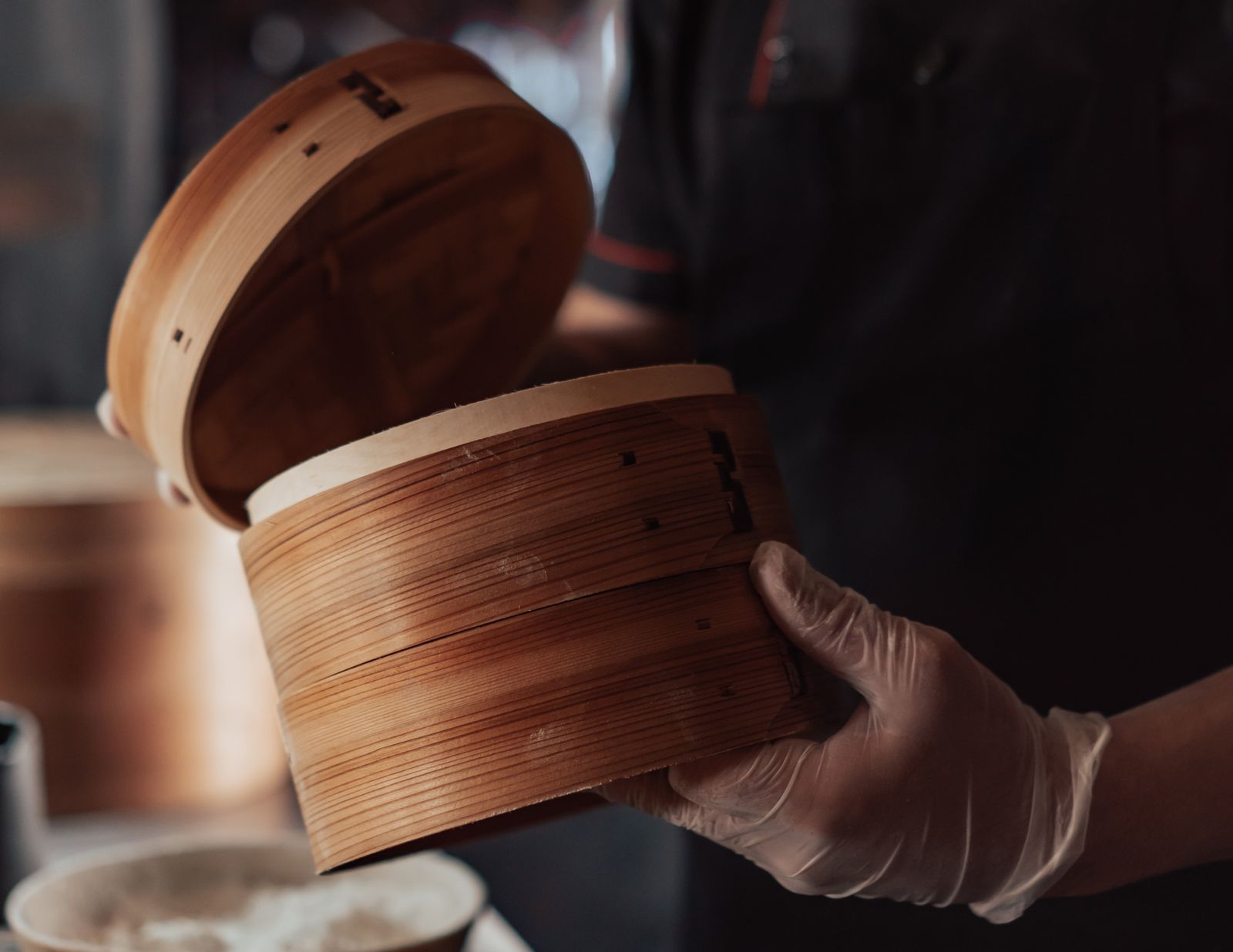
Dim sum is a style of Cantonese cooking in which small dishes of dumplings, buns, rolls and sweets are served with tea. The tradition is called yum cha, meaning “drink tea”, and in cities such as Guangzhou and Hong Kong it is a leisurely weekend ritual shared with family and friends.
Teahouses on the Silk Road and in southern China have long welcomed travelers. In Guangzhou, in the nineteenth century, teahouses began to offer small snacks alongside tea, and over time these snacks grew into a wide menu. The term dim sum is often said to mean “touch the heart”, though the translation is debated, and it describes small bites that are not a full meal.
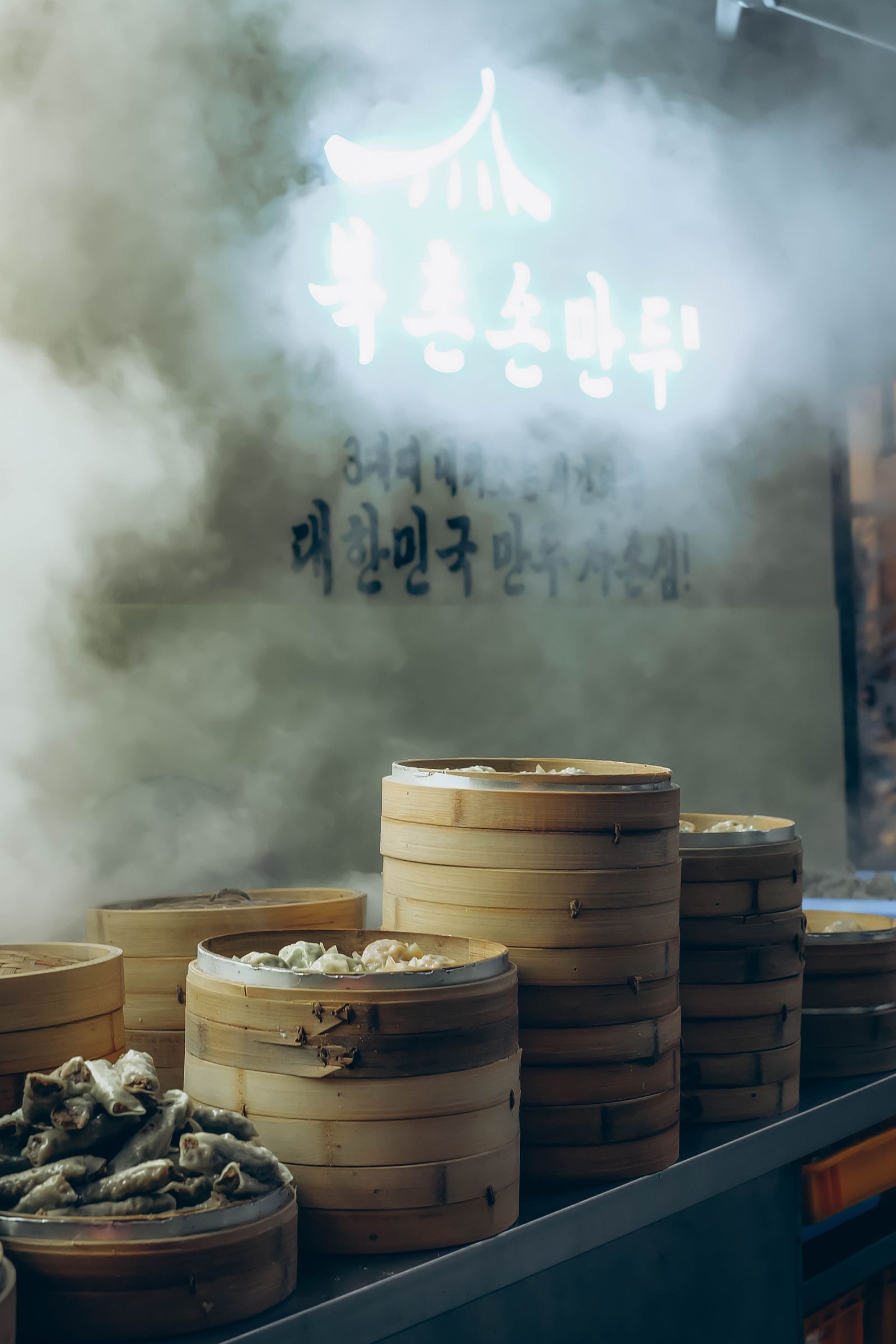
Classic dishes include har gow, translucent shrimp dumplings; siu mai, open-topped pork and shrimp dumplings; char siu bao, steamed buns filled with barbecued pork; cheung fun, rice noodle rolls; and sweets such as egg tarts. In traditional teahouses, servers wheeled trolleys through the room, calling out dishes, and diners chose what they liked.
Hong Kong made dim sum a worldwide dining style. Migration from Hong Kong and Guangdong brought dim sum to Chinatowns in San Francisco, New York, London, Vancouver, Sydney and elsewhere. Many restaurants now take orders from menus instead of trolleys, and chefs have introduced modern dishes, but the core of the experience remains good tea and shared plates.
The story in more depth
A visit to a dim sum restaurant has its own etiquette. When a teapot needs refilling, you leave the lid slightly open. When someone pours your tea, you can tap two fingers on the table to say thank you, a gesture said to come from an old story about an emperor traveling in disguise. Diners share the dishes, and a meal may include fifteen or more plates. Courses typically move from steamed dumplings to fried items and finish with sweets such as egg tarts or mango pudding.
Dim sum varies by region. In Hong Kong, a modern dim sum scene includes Michelin-recognized restaurants. In Shanghai, soup dumplings (xiaolongbao) are famous, and in Beijing, the focus is on different snacks. In Taiwan, the Din Tai Fung chain made xiaolongbao a global favorite. Overseas Chinese communities, in Malaysia, Singapore and Thailand, also developed their own local variants.
A timeline
- Ancient times: Teahouses serve travelers along trade routes in China.
- 1800s: Guangzhou teahouses add small snacks to their menus.
- 1900s: Dim sum becomes a Cantonese specialty and spreads to Hong Kong.
- 1950s and 1960s: Trolley service becomes common in Hong Kong.
- 2009: Tim Ho Wan opens in Hong Kong and later earns a Michelin star.
- Today: Dim sum is enjoyed worldwide.
Regional styles and variations
- Steamed: har gow, siu mai, cheung fun.
- Fried: spring rolls, taro dumplings, turnip cake.
- Baked: char siu bao, egg tarts.
- Congee: rice porridge, often served at dim sum.
- Sweet: mango pudding, sesame balls, custard buns.
- Vegetarian: dishes with mushrooms, tofu and vegetables.
Buying, tasting and choosing well
Arrive early on weekends, since popular places fill quickly. Order a mix of steamed, fried and sweet dishes, and share. Start with lighter items and finish with rich ones. Choose a tea that matches: jasmine, pu-erh, chrysanthemum or oolong are common. Ask for chili sauce or soy sauce as desired, and use chopsticks or a spoon.
Did you know?
- “Yum cha” means “drink tea”.
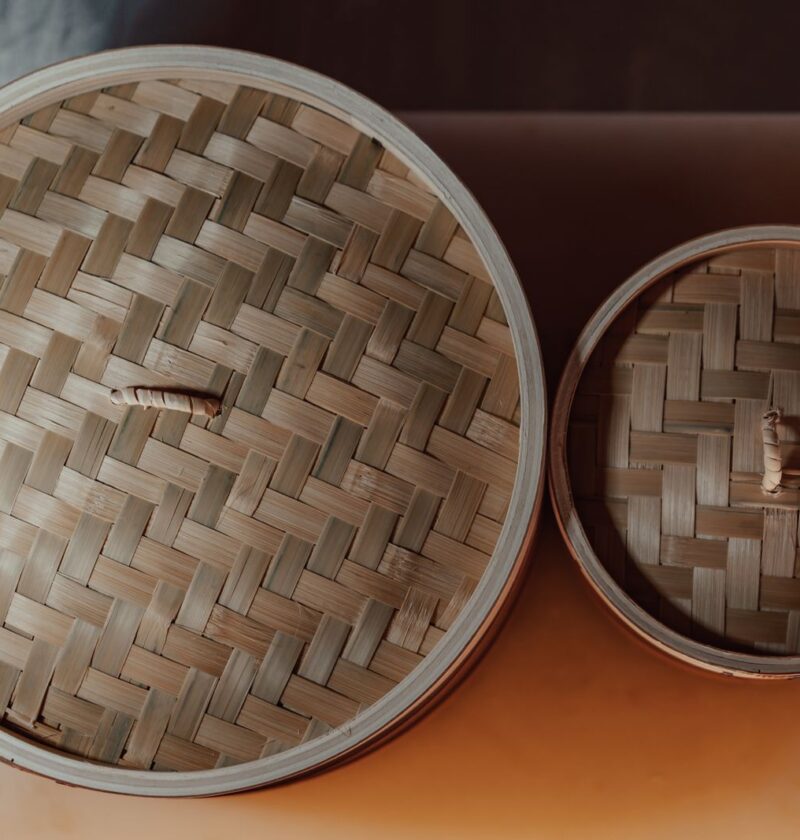
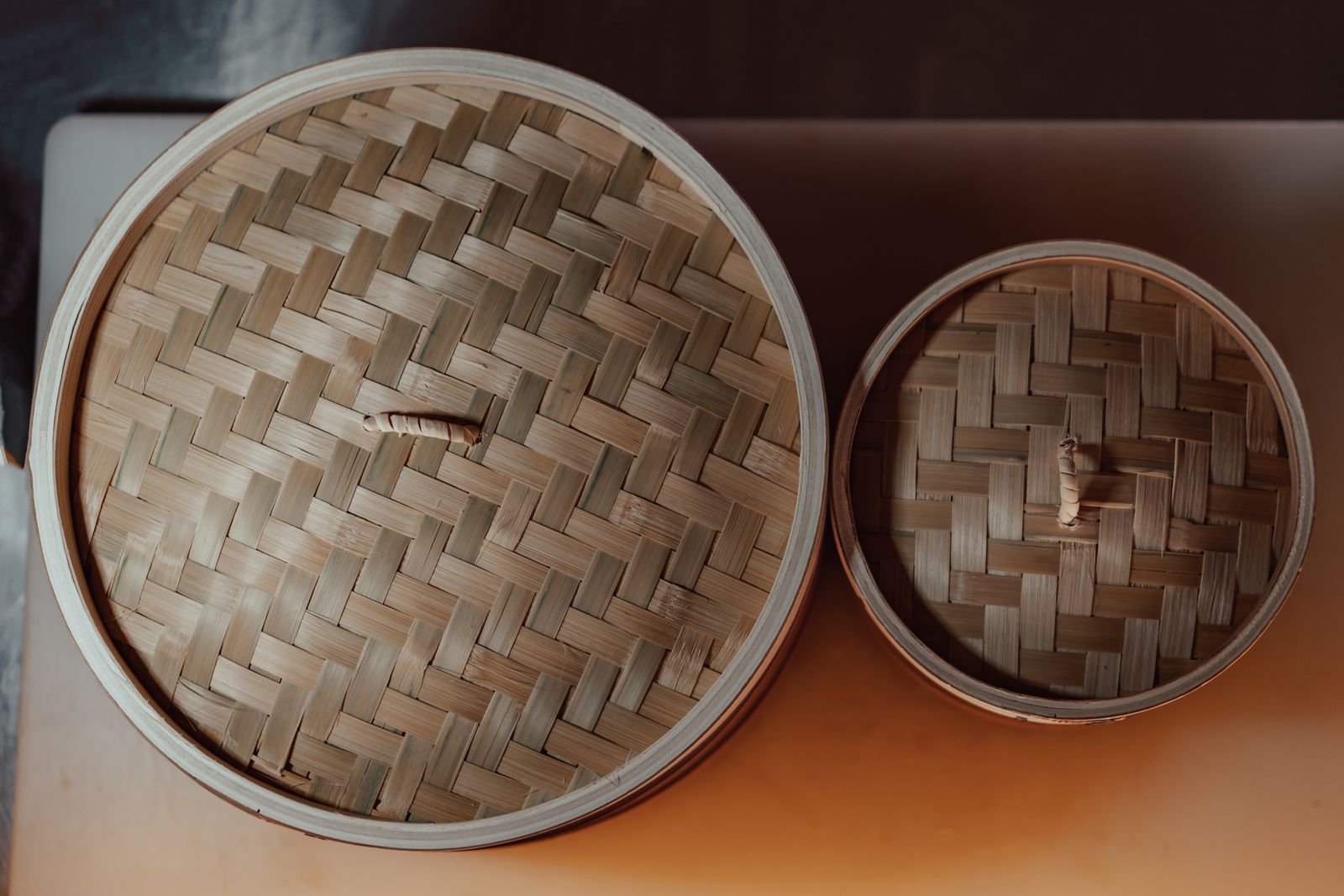
- Dim sum are traditionally served in bamboo steamers.
- Tea is poured for others before yourself.
- Traditional dim sum is often a morning or early afternoon meal.
Eating it today
Dim sum is a social meal that rewards a group. Bring friends and share, and try something new on each visit.
Countries connected to this story
- China: where dim sum began in the teahouses of Guangdong province.
- Hong Kong: known for dim sum restaurants and trolley service.
- Singapore and Malaysia: with strong dim sum traditions among Chinese communities.
- United States: with historic dim sum restaurants in San Francisco and New York.
- United Kingdom and Australia: where dim sum is popular at weekend brunch.
Where to try it
- Lin Heung Tea House (Hong Kong): a historic teahouse in Central known for traditional dim sum and trolley service.
- Tim Ho Wan (Hong Kong and worldwide): a dim sum restaurant that earned a Michelin star and expanded globally.
- Yank Sing (San Francisco, USA): a dim sum restaurant in business since 1958.
- Din Tai Fung (Taipei and worldwide): famous for xiaolongbao and dumplings.
These are well-known examples, not paid recommendations or rankings, and places change. Check opening times and details before you travel.
Well-known brands
- Din Tai Fung: a Taiwanese restaurant chain famed for soup dumplings.
- Tim Ho Wan: a restaurant chain from Hong Kong.
- Lee Kum Kee: a Hong Kong sauce company known for oyster sauce and other Chinese condiments.
- Yank Sing: a San Francisco dim sum restaurant.
Brands are named as widely known examples of makers, not as endorsements.
Many food origins are disputed. This story summarizes commonly cited accounts as an introduction, not the final word.
Photo credits: Mikhail Nilov on Pexels; Margarita K on Pexels. Free stock photos shown as illustrations only.