
Ramen feels thoroughly Japanese today, yet its roots are Chinese. Wheat noodles served in a hot broth came to Japan in the late nineteenth and early twentieth centuries, brought by Chinese immigrants and sold in port cities such as Yokohama, Kobe and Nagasaki. Early versions were often called shina soba, meaning “Chinese noodles”.
The noodles get their springy, yellow look from kansui, an alkaline water. That ingredient, together with a long-simmered broth, defines the dish. After the Second World War, cheap wheat flour became more available, and street stalls selling ramen spread through Japanese cities, feeding workers and families.
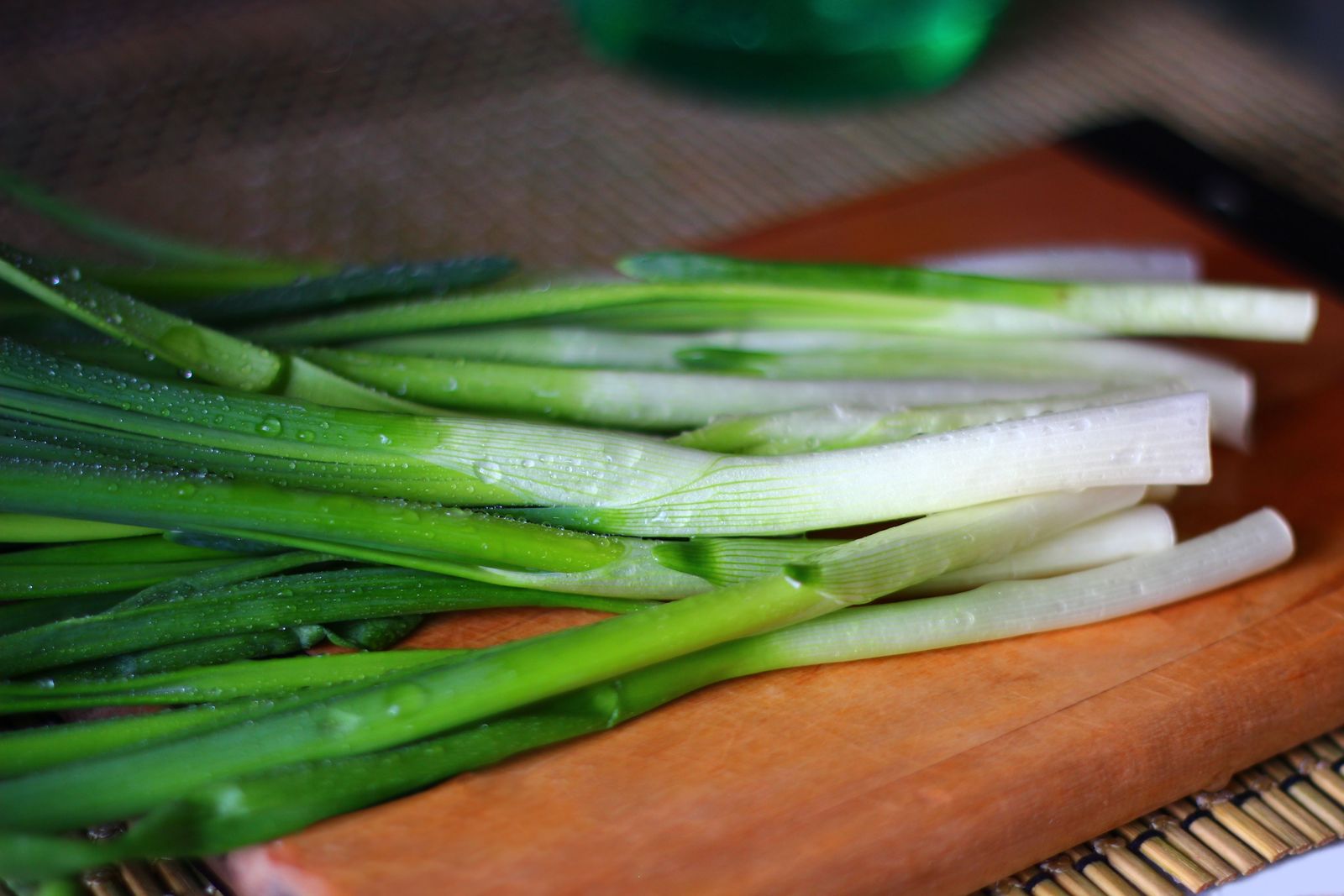
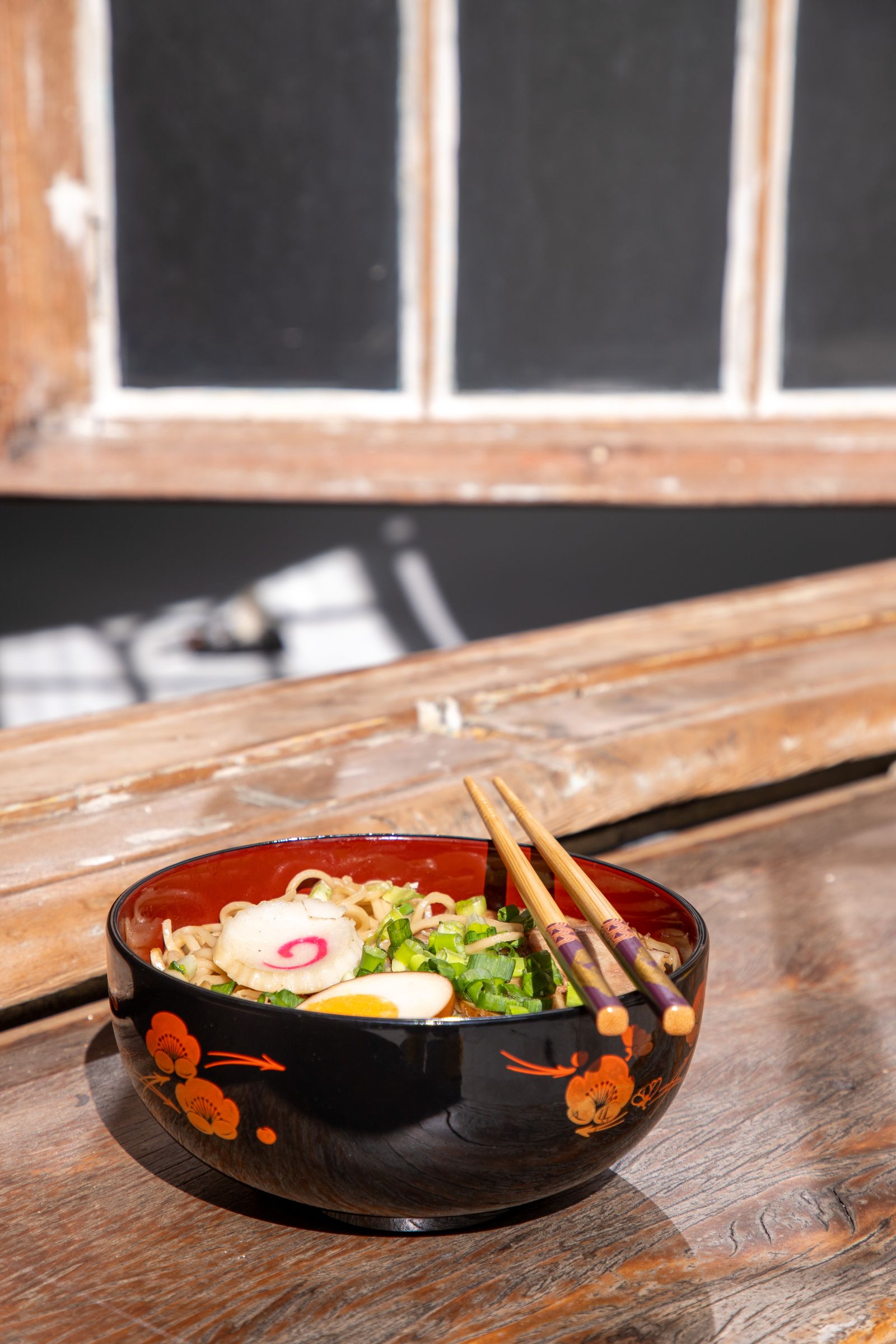
Different regions developed their own styles. Tokyo is known for soy-sauce broth (shoyu), Sapporo for miso ramen, and Hakata in Fukuoka for rich, milky pork-bone tonkotsu broth. Toppings such as sliced pork (chashu), seasoned eggs, bamboo shoots, nori and spring onions vary from shop to shop.
In 1958 Momofuku Ando of Nissin introduced the first instant ramen, called Chikin Ramen, and in 1971 the company launched Cup Noodles. Instant noodles spread worldwide and are still among the most widely eaten foods on the planet.
Today ramen has its own museums, guidebooks and devoted fans. The Shin-Yokohama Ramen Museum, opened in 1994, recreates old streets of ramen shops. It is a good example of a foreign food that was adopted, transformed and then claimed as part of a national identity.
The story in more depth
Ramen’s identity grew through the postwar years. After 1945, Japan faced food shortages, and American wheat flour was imported under aid programs. Street vendors used it to make noodles, and ramen stalls spread near train stations. In the 1950s and 1960s ramen restaurants multiplied, and each region developed a character: the curly noodles and miso of Sapporo, the thin straight noodles and creamy pork broth of Hakata, and the clear soy broth of Tokyo.
The invention of instant noodles was a landmark. Momofuku Ando, who founded Nissin, is said to have been moved by long lines of people waiting for noodles in postwar Osaka. After a period of experiments, including frying noodles in oil to dry them, he launched Chikin Ramen in 1958. Cup Noodles in 1971 allowed the dish to be eaten anywhere with hot water, and Japan’s instant noodles were later honored as one of the country’s great inventions.
Today ramen has spread around the world, from tonkotsu shops in New York and London to local variations such as vegan ramen. In Japan, ramen culture includes magazines, guidebooks, ramen “battles”, and the Michelin Guide, which has given stars and Bib Gourmand awards to ramen shops since 2015.
A timeline
- Late 1800s: Chinese noodle soups are sold in Japanese port cities such as Yokohama.
- 1910: A ramen shop, Rairaiken, opens in Asakusa, Tokyo, according to many accounts.
- 1945 to 1950s: Postwar flour imports and street stalls spread ramen.
- 1958: Momofuku Ando launches Chikin Ramen.
- 1971: Cup Noodles is introduced.
- 1994: The Shin-Yokohama Ramen Museum opens.
- 2015: The first ramen restaurants receive Michelin recognition in Tokyo.
Regional styles and variations
- Shoyu: a soy-sauce broth, classic in Tokyo.
- Shio: a salt-based, light broth.
- Miso: a rich, hearty broth from Sapporo.
- Tonkotsu: a creamy pork bone broth from Hakata.
- Tsukemen: dipping noodles served with a concentrated broth.
- Abura soba: “oil noodles” with little or no broth.
Buying, tasting and choosing well
Good ramen starts with the broth, which may be simmered for many hours, with noodles cooked to a firm, springy bite, and toppings that suit the style. Eat quickly, since noodles continue to soften in hot broth. In Japan, slurping is acceptable and helps cool the noodles. At home, quality stock and fresh noodles make a big difference.
Did you know?
- The word ramen comes from the Chinese “lamian”, meaning pulled noodles, though there are other theories.
- Instant noodles are consumed in huge quantities worldwide.
- Ramen shops often have a ticket machine for ordering.
- Regional ramen can be a point of local pride.
Eating it today
Ramen can be a quick meal or a craft. If you love noodles, try visiting a specialized ramen shop, and compare broths to find your style.
Countries connected to this story
- Japan: where ramen became a national obsession, with regional varieties such as Sapporo miso and Hakata tonkotsu.
- China: the origin of the wheat noodle soup tradition that ramen draws on.
- United States: where instant noodles and ramen shops spread widely.
- Taiwan: with its own beef noodle soup traditions and ramen shops.
- South Korea: with ramyeon, a distinct instant noodle culture.
- Indonesia: where instant noodles such as Indomie are extremely popular.
Where to try it
- Shin-Yokohama Ramen Museum (Yokohama, Japan): a food-themed museum with recreated old ramen streets and multiple shops.
- Ichiran (Fukuoka and worldwide): a ramen chain known for tonkotsu ramen and solo booths.
- Ippudo (Fukuoka and worldwide): a well-known ramen chain famous for tonkotsu.
- Tsuta (Tokyo, Japan): a ramen shop that was the first to receive a Michelin star in 2015.
These are well-known examples, not paid recommendations or rankings, and places change. Check opening times and details before you travel.
Well-known brands
- Nissin: the company founded by Momofuku Ando, maker of Cup Noodles and Chikin Ramen.
- Maruchan: a brand of instant noodles popular in the United States, owned by Toyo Suisan.
- Myojo: a Japanese instant noodle brand.
- Indomie: an Indonesian instant noodle brand sold worldwide.
Brands are named as widely known examples of makers, not as endorsements.
Related: Soy sauce, miso and spring onion.
Many food origins are disputed. This story summarizes commonly cited accounts as an introduction, not the final word.
Photo credits: Isabella Figoli on Pexels; Rio Lecatompessy on Pexels; Eleonora Sky on Pexels. Free stock photos shown as illustrations only.