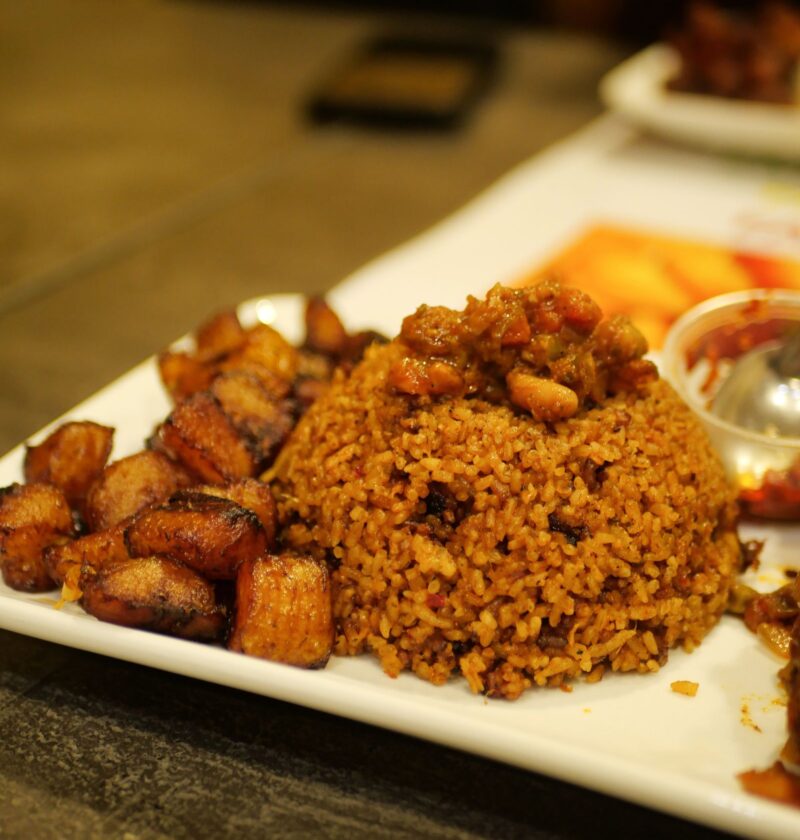


Jollof rice, a one-pot dish of rice cooked in a spiced tomato sauce, is a favorite across West Africa. Nigeria, Ghana, Senegal, Sierra Leone, Liberia and other countries all make their own versions, and friendly arguments about whose is best are famous as the “jollof wars”.
The name is usually linked to the Wolof people and the historic Wolof Empire in the region of present-day Senegal and The Gambia. The Senegalese dish ceebu jën, or thieboudienne, a rice and fish dish cooked with tomato and vegetables, is often cited as an ancestor of jollof. Food historians continue to discuss the history, and the exact path from Senegambia to the rest of West Africa is not fully documented.
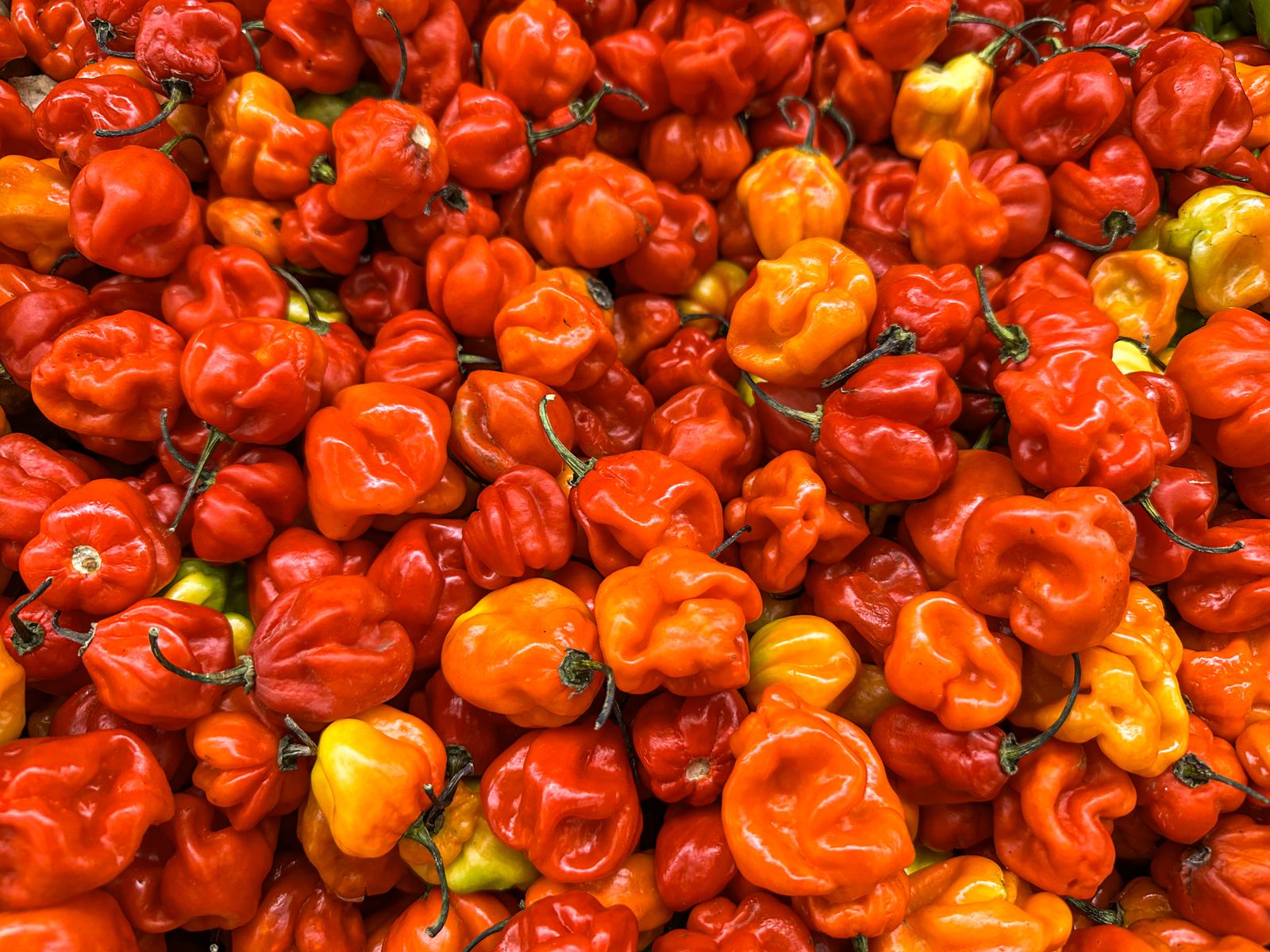
Rice has been grown in West Africa for centuries, including an African rice species, Oryza glaberrima. Tomatoes and chilies came later from the Americas, and combined with local ingredients such as onions, palm oil and spices they formed the base of the red rice dish.
Differences matter to fans. Nigerian party jollof is often cooked in a large pot over a fire, giving a slightly smoky taste. Ghanaian jollof often uses fragrant rice and spices. Senegalese versions include fish and vegetables.
Jollof has also spread with the African diaspora, influencing dishes like Southern jambalaya and red rice in the United States. It is served at weddings, parties and family gatherings, and remains a source of national pride and good-natured debate.
The story in more depth
Jollof rice is a dish with a shared origin and many versions. The Wolof people of Senegambia developed ceebu jën, “rice and fish”, and as people migrated and traded, the dish evolved. In Nigeria, jollof is tomato-based, often with scotch bonnet peppers and thyme, and cooked in a large pot until the bottom sticks and becomes smoky, a flavor called “party jollof”. In Ghana, it often uses basmati or jasmine rice and includes a spice mix. In Sierra Leone and Liberia, versions include meat, vegetables and different seasonings.
The “jollof wars” have become part of popular culture. Social media, comedians and chefs have debated the best version for years, and politicians and celebrities have joined in. Fans mark “World Jollof Day” on August 22. The debate may be playful, but it shows how closely food is tied to identity.
Jollof has spread with West African diaspora communities to London, New York, Toronto and beyond, and appears at restaurants, festivals and supermarkets. It also has cousins in the Americas: Louisiana jambalaya and Gullah Geechee red rice in the Carolinas, which food historians connect with West African rice traditions. These links show how West African farmers and cooks shaped rice cultivation and cooking in the Americas.
A timeline
- 1300s to 1500s: The Wolof Empire flourishes in the Senegambia region.
- 1800s: Rice and fish dishes such as ceebu jën develop in Saint-Louis, Senegal, according to tradition.
- 1900s: Tomato-based jollof spreads across West Africa.
- Late 1900s: West African migration carries jollof to Europe and North America.
- 2010s: Social media fuels the “jollof wars”.
- Today: Jollof is served at weddings, festivals and restaurants around the world.
Regional styles and variations
- Nigerian party jollof: smoky and tomato-rich, cooked over fire.
- Ghanaian jollof: often made with basmati or jasmine rice and spicy.
- Senegalese ceebu jën: rice with fish and vegetables.
- Gambian benachin: a one-pot rice dish.
- Sierra Leone and Liberian jollof: with local seasoning.
- Jambalaya and Gullah red rice: American cousins.
Buying, tasting and choosing well
Good jollof has separate, flavorful grains that are not mushy, a rich tomato and pepper base, and often a slight smoky char from the bottom of the pot. The sauce is cooked down until the oil separates before the rice is added. The best way to compare styles is to try several, at West African restaurants and at community events.
Did you know?
- The name jollof is said to come from the Wolof people.
- Many West African cooks use a blend of tomatoes, onions and scotch bonnet peppers.
- World Jollof Day is celebrated on August 22.
- The “smoky bottom” of the pot, sometimes called “party jollof” flavor, is prized.
Eating it today
Jollof rice is a cultural symbol as well as a meal. Whether you prefer the Nigerian or Ghanaian version, the best way to enjoy the debate is with good food and good company.
Countries connected to this story
- Senegal and The Gambia: the region of the Wolof people, linked to the origins of the dish.
- Nigeria: known for smoky party jollof.
- Ghana: known for its fragrant jollof, and a famous friendly rivalry with Nigeria.
- Sierra Leone and Liberia: with their own versions of jollof.
- United States: where jambalaya and red rice share ancestry with West African rice dishes.
- United Kingdom: where jollof is served at West African restaurants and events.
Where to try it
- Chuku’s (London, England): a Nigerian tapas restaurant.
- Ikoyi (London, England): a restaurant by chef Jeremy Chan that draws on West African spices.
- Lagos and Accra eateries (Nigeria and Ghana): local restaurants and street vendors that sell jollof, especially at parties.
- Dakar restaurants (Senegal): where ceebu jën is a national dish.
These are well-known examples, not paid recommendations or rankings, and places change. Check opening times and details before you travel.
Well-known brands
- Maggi: a seasoning brand, owned by Nestlé, widely used in West African cooking.
- Knorr: a seasoning and stock brand used for jollof.
- Gino: a tomato paste brand popular in Nigeria and Ghana.
- Tasty Tom: a Nigerian tomato mix brand.
Brands are named as widely known examples of makers, not as endorsements.
Many food origins are disputed. This story summarizes commonly cited accounts as an introduction, not the final word.
Photo credits: Studio Saiz on Pexels; jin feng on Pexels; Terrance Barksdale on Pexels. Free stock photos shown as illustrations only.