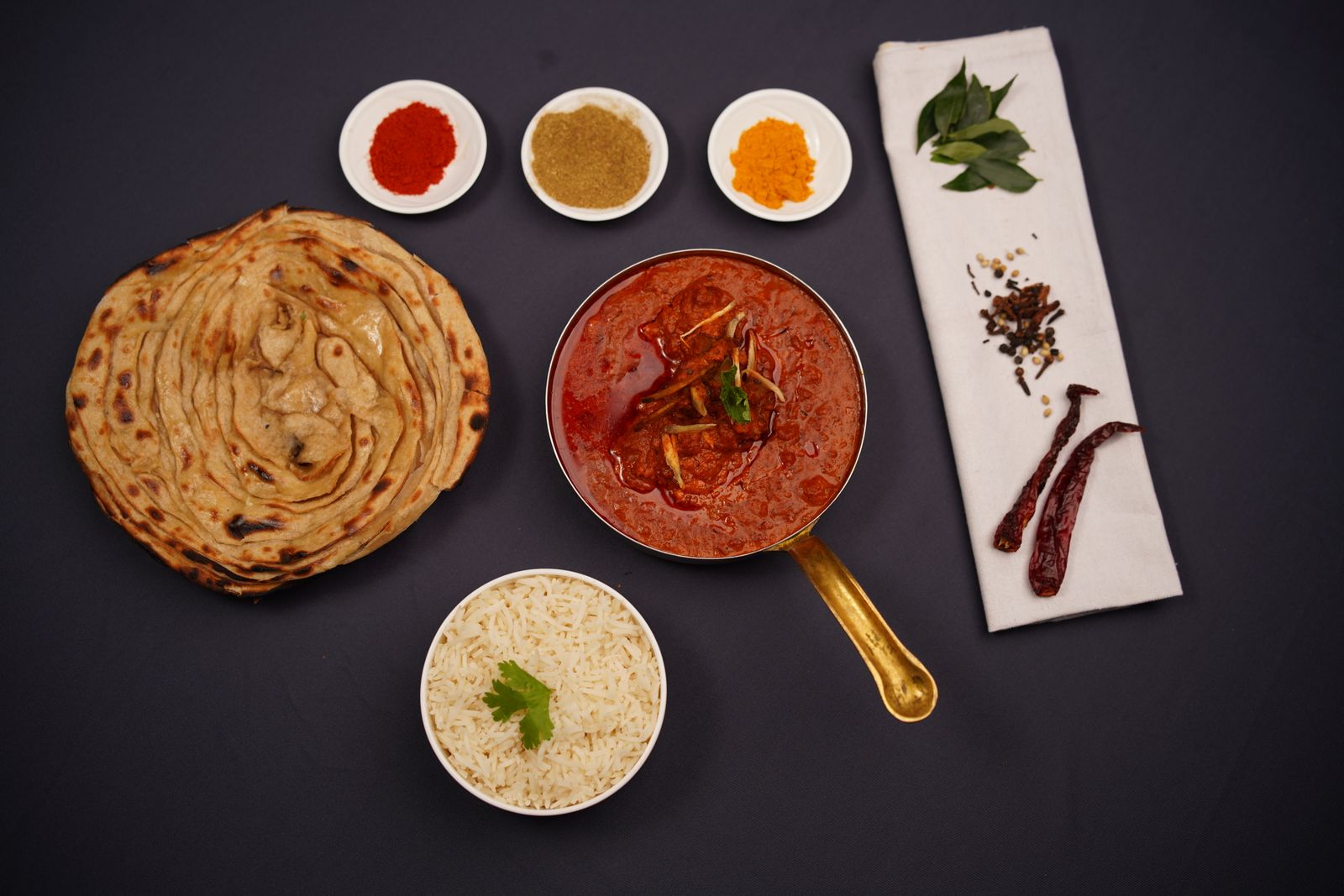
Chicken tikka masala, pieces of marinated grilled chicken in a creamy spiced tomato sauce, is often named as one of Britain’s favorite dishes. Its exact origin is debated.
The grilled chicken tikka part has roots in South Asian cooking, where meat marinated in yogurt and spices is cooked in a tandoor oven. Many food historians think the creamy sauce was added to chicken tikka in Britain, perhaps to please diners who wanted a dish with gravy.
One often-told story credits a chef at a Glasgow restaurant, such as the Shish Mahal, who is said to have created the sauce in the 1970s when a customer found the chicken dry. Others in the UK and in South Asia have made rival claims, and there is no single agreed account.
The dish gained political fame in 2001, when the British foreign secretary Robin Cook described chicken tikka masala as a “true British national dish” in a speech about multiculturalism, because it combined Indian spices with a British love of gravy.
Whatever its origin, tikka masala shows how migration shapes food. Cooks adapted dishes to new ingredients and new customers, and created something that belongs to more than one place. Similar creamy tomato curries, such as butter chicken, are enjoyed in India and around the world.
The story in more depth
Tandoor cooking, which uses a clay oven heated by charcoal, has been used in South Asia for centuries. Many accounts link the popular tandoori style to Punjab, and to restaurant owners who moved to Delhi after the Partition of India in 1947. Moti Mahal in Delhi is often credited with popularizing tandoori chicken and butter chicken, in which leftover tandoori chicken was simmered in a tomato and butter sauce, which is a similar idea to tikka masala.
In Britain, the number of “Indian” restaurants grew as South Asian immigrants arrived after the Second World War. Many were run by families from Sylhet in what is now Bangladesh. These cooks adapted dishes to British palates, offering mild, creamy sauces and dishes such as the balti in Birmingham. The curry house became a national institution, and curry was served at the end of an evening out.
Chicken tikka masala has also moved into supermarkets, where it appears as ready meals, sauces, pies and even crisps. Its fame does not mean it is “inauthentic”. Many dishes now considered traditional began as adaptations, and tikka masala has been taken back to South Asia and around the world by restaurants and home cooks.
A timeline
- Early 1900s: Tandoori cooking is popular in Punjab.
- 1947: After Partition, restaurateurs from Punjab open tandoori restaurants in Delhi.
- 1950s and 1960s: South Asian migrants open curry houses in Britain.
- 1970s: The Glasgow origin story of chicken tikka masala is said to date to this decade.
- 2001: Robin Cook calls chicken tikka masala “a true British national dish”.
- Today: The dish is on menus and in supermarkets across the world.
Regional styles and variations
- Butter chicken (murgh makhani): a mild, buttery tomato sauce with tandoori chicken.
- Chicken tikka: marinated, grilled chicken without sauce.
- Chicken korma: a creamy dish with yogurt and nuts.
- Balti: a Birmingham style of curry cooked and served in a metal bowl.
- Chicken jalfrezi: a stir-fried curry with peppers and onions.
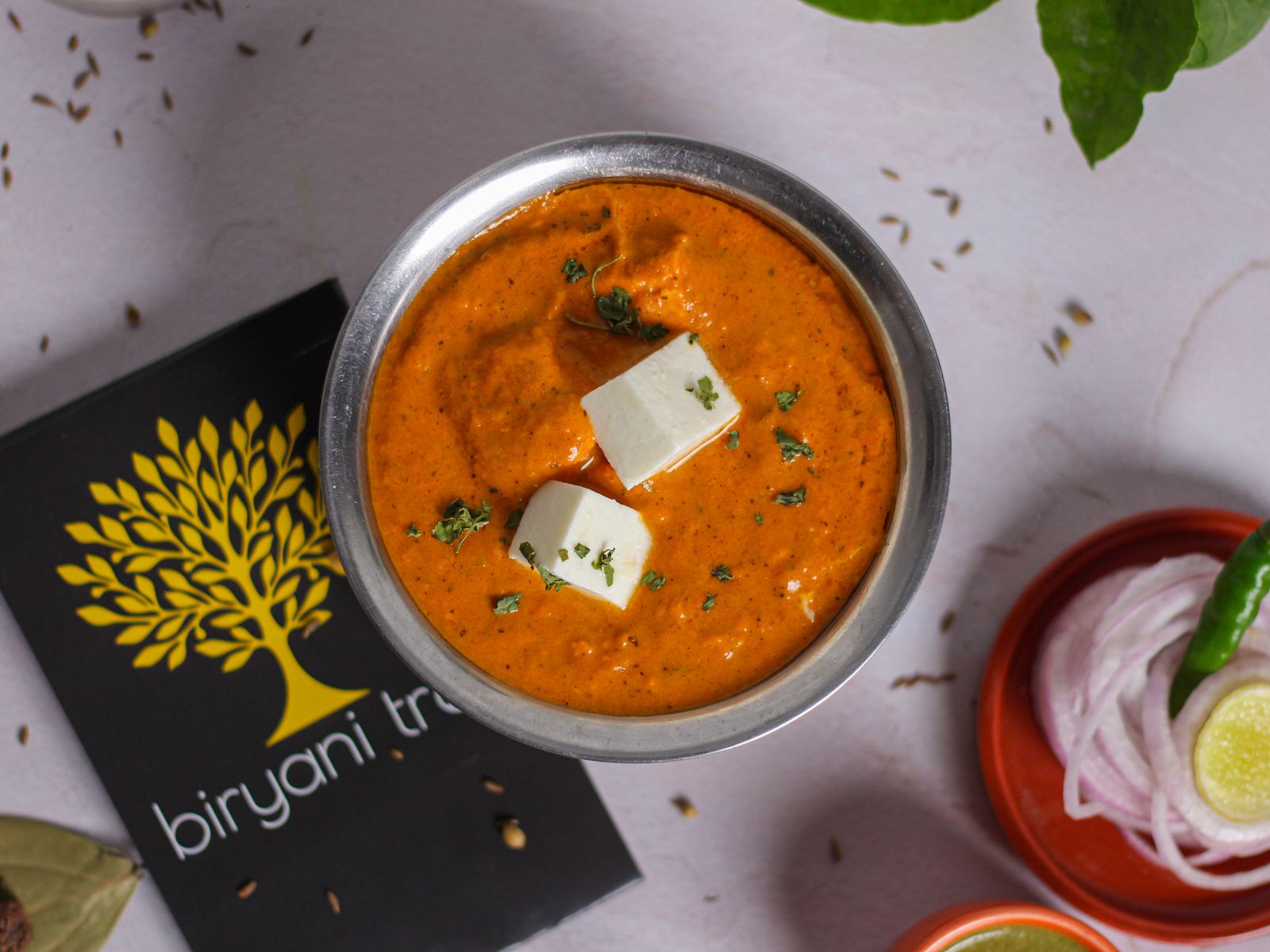
- Paneer tikka masala: a vegetarian version with paneer.
Buying, tasting and choosing well
A good tikka masala should have tender, lightly charred chicken, and a sauce that is creamy but balanced, with tomato, spices and a little tang. Marinating in yogurt and spices for several hours helps the chicken stay moist. Restaurants vary in sweetness and heat, so ask for your preferred level. At home, use good-quality garam masala and add cream at the end.
Did you know?
- Chicken tikka means “pieces of chicken”; masala means a mix of spices.
- The dish is sometimes jokingly called Britain’s national dish.
- The Indian-British curry house tradition owes much to people from Sylhet in Bangladesh.
- Many Indians also enjoy the dish, though it is not always on traditional menus.
Eating it today
Chicken tikka masala shows that foods can belong to many places at once. If you are cooking at home, use the best spices you can find and treat the recipe as a starting point; if you are eating out, try asking about the chef’s own regional specialties as well.
Countries connected to this story
- India: the home of tandoori and tikka traditions, and of butter chicken in Delhi.
- Pakistan: sharing Punjabi cuisine and tandoori traditions.
- Bangladesh: whose Sylhet region supplied many of Britain’s curry house owners.
- United Kingdom: where chicken tikka masala is most associated and popular.
- United States: where tikka masala is a regular on Indian restaurant menus.
Where to try it
- Shish Mahal (Glasgow, Scotland): a restaurant often named in the chicken tikka masala origin story.
- Moti Mahal (Delhi, India): a restaurant often credited with butter chicken and tandoori chicken in the 1940s.
- Dishoom (London and other UK cities): a restaurant group inspired by Bombay’s Irani cafés.
- Brick Lane (London, England): a street known for many curry restaurants.
These are well-known examples, not paid recommendations or rankings, and places change. Check opening times and details before you travel.
Well-known brands
- Patak’s: a British brand of curry pastes and sauces founded by Laxmishanker Pathak.
- Sharwood’s: a British brand of curry sauces and Indian-style foods.
- Tilda: a brand of basmati rice sold in the UK and elsewhere.
- Everest and MDH: Indian spice makers sold worldwide.
Brands are named as widely known examples of makers, not as endorsements.
Related: Easy Chicken Curry recipe and garam masala.
Many food origins are disputed. This story summarizes commonly cited accounts as an introduction, not the final word.
Photo credits: Jack Baghel on Pexels; khezez on Pexels; Prabal Pratap Singh on Pexels. Free stock photos shown as illustrations only.