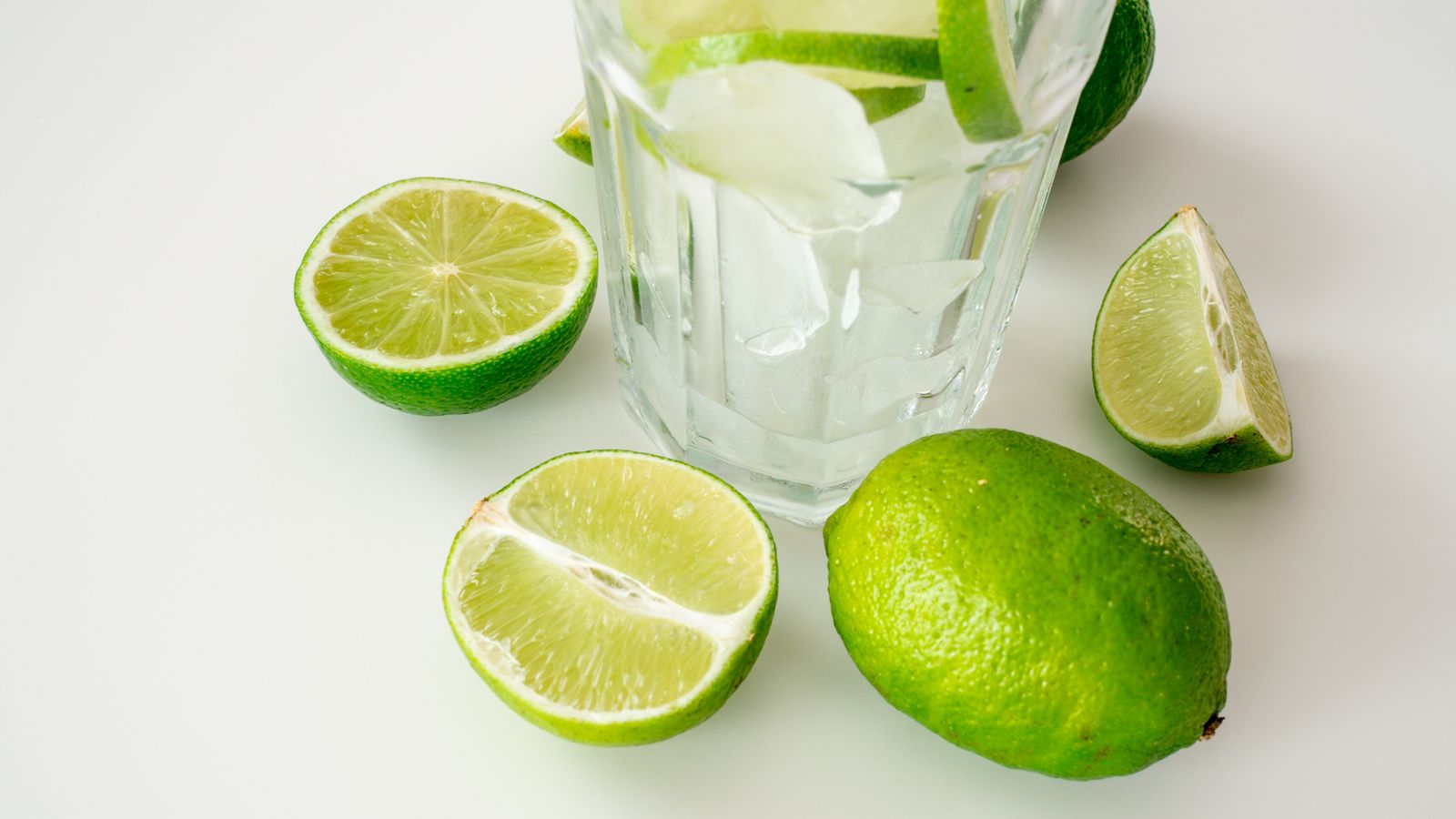
The lime is a small, green citrus fruit with a sharp, aromatic juice that is more bitter and floral than lemon. It brightens savory dishes, drinks and desserts.
- Botanical name
- Citrus aurantiifolia (Key lime) and Citrus latifolia (Persian lime)
- Type
- Citrus fruit
- Native to
- Southeast Asia
- Top producers
- Mexico, India, China, Brazil
- Used most in
- Mexico, Thailand, Vietnam, India, the Caribbean, Peru
History
Limes were first grown in Southeast Asia and spread west through Arab traders to the Middle East and the Mediterranean. The Crusaders and later the Spanish carried them further, and limes reached the Americas in the 16th century. The British Royal Navy made lime juice a regular part of sailors’ rations in the 19th century to prevent scurvy, which gave British sailors the nickname “limeys”.
Where it comes from
Mexico is the world’s largest lime exporter, and India also grows many. Limes need a warm, tropical or subtropical climate.
Where it is used most
Lime juice is essential in Mexican food (tacos, salsas, guacamole), in Peruvian ceviche, in Thai and Vietnamese dishes, in Indian chutneys and pickles, and in Caribbean drinks and cocktails like the mojito and margarita.
Varieties and types
Persian (Tahiti) limes are the large seedless limes in most shops. Key limes are smaller, more acidic and more fragrant. Kaffir (makrut) limes are a different fruit, grown for their leaves and zest.
Flavor and how to use it
Squeeze over tacos, rice, soups and fruit. Use the zest in baking and marinades. Add juice at the end of cooking to keep the freshness.
Buying, storing and substitutes
Keep limes in the fridge for 3-4 weeks. Roll on the counter before juicing to get more juice. Lemon juice can substitute, though it is less aromatic.
Recipes that use it
- Fresh Guacamole
- Easy Chicken Tacos with Fresh Salsa
- Sheet-Pan Chicken Fajitas
- Fresh Spring Rolls (Gỏi Cuốn)
- Jamaican Jerk Chicken
- Pad Thai
- Pico de Gallo (Fresh Salsa)
Photo credit: Mateusz Feliksik on Pexels.