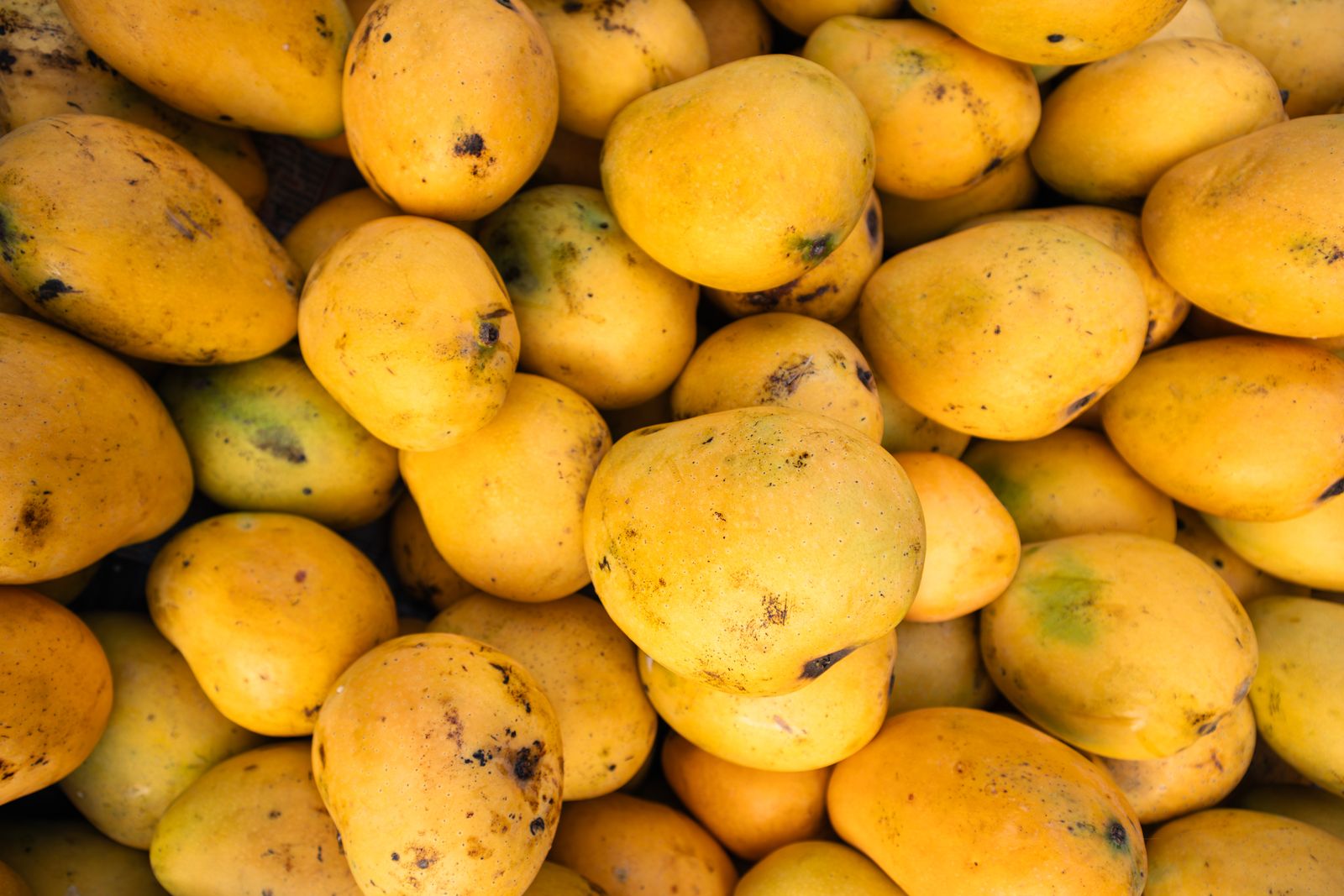
The mango is often called the king of fruits, and in South Asia it is treated almost like royalty. Wild mangoes grew in the forests of the Indian subcontinent and Southeast Asia, and cultivation in India goes back more than four thousand years.
Mangoes appear in Sanskrit texts and in Indian art and religion. Mango leaves decorate doorways at festivals, and the fruit is the national fruit of India, Pakistan and the Philippines. Traders and Buddhist monks are often said to have carried mangoes across Asia.
In the sixteenth century, the Mughal emperor Akbar is said to have planted an orchard of a hundred thousand mango trees near Darbhanga, in present-day Bihar. Mughal rulers prized the fruit, and mangoes became part of royal gardens and poetry.
Portuguese traders took mangoes to Africa and Brazil. The Alphonso variety, one of the most prized, is commonly said to be named after Afonso de Albuquerque, a Portuguese commander in Goa, though that account is a tradition rather than a proven fact.
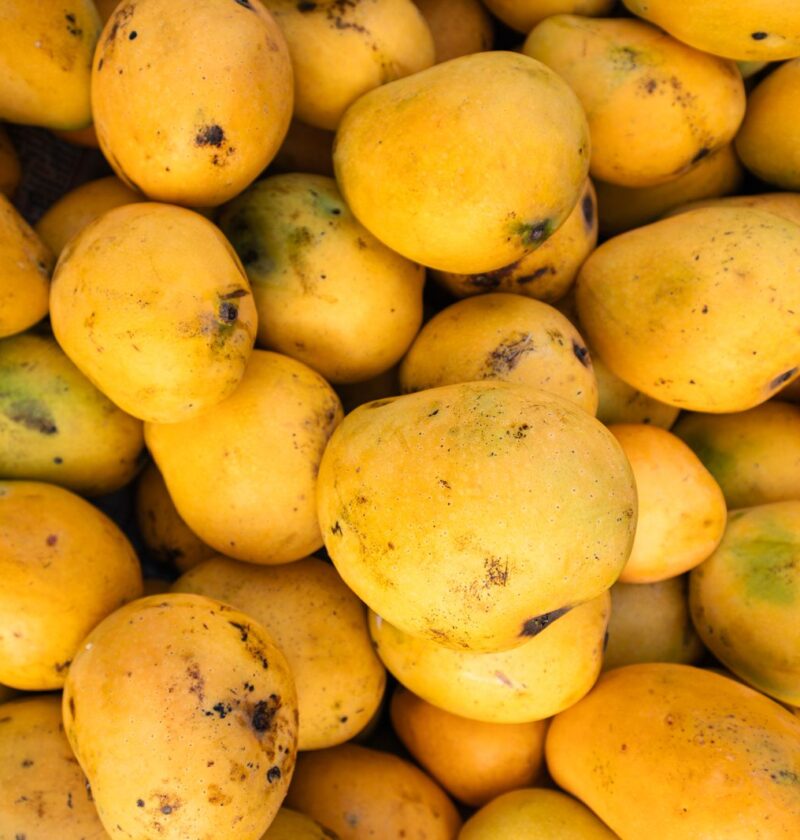
India grows more mangoes than any other country, with hundreds of varieties such as Alphonso, Kesar, Dasheri, Langra and Totapuri. They are eaten ripe, pickled when green, dried into amchur powder, and blended into lassi and desserts. The arrival of mango season is eagerly awaited every summer.
The story in more depth
The mango has deep meaning in India. The “mango blossom” (aam ka bor) heralds spring in Hindu rituals, and Kalidasa, the classical Sanskrit poet, mentions mangoes. The mango tree is said to have sheltered the Buddha. During festivals such as Ugadi and in weddings, mango leaves hang on doorways. Poets such as Mirza Ghalib wrote with affection about mangoes, and he reportedly said that mangoes should be sweet and plentiful.
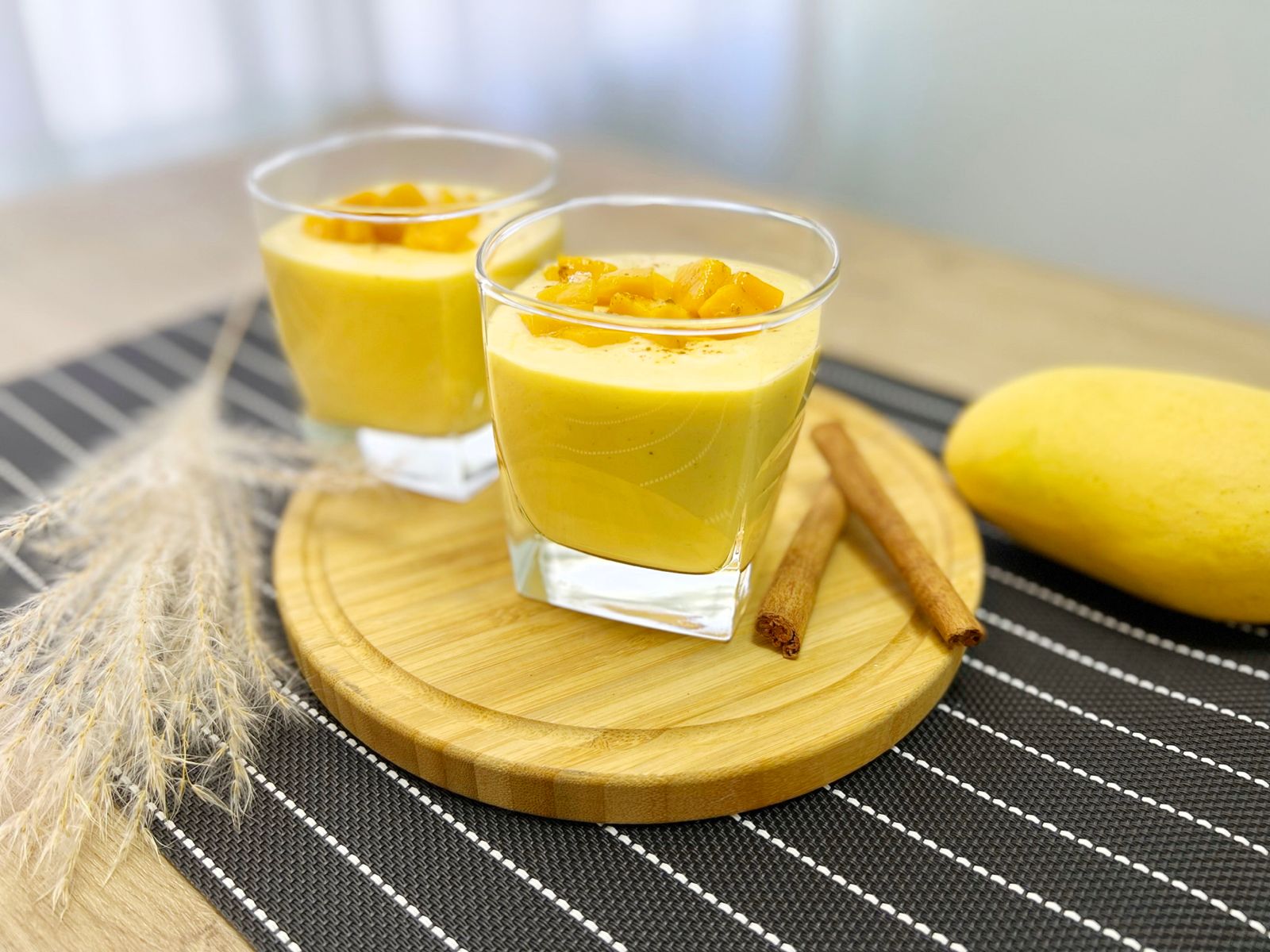
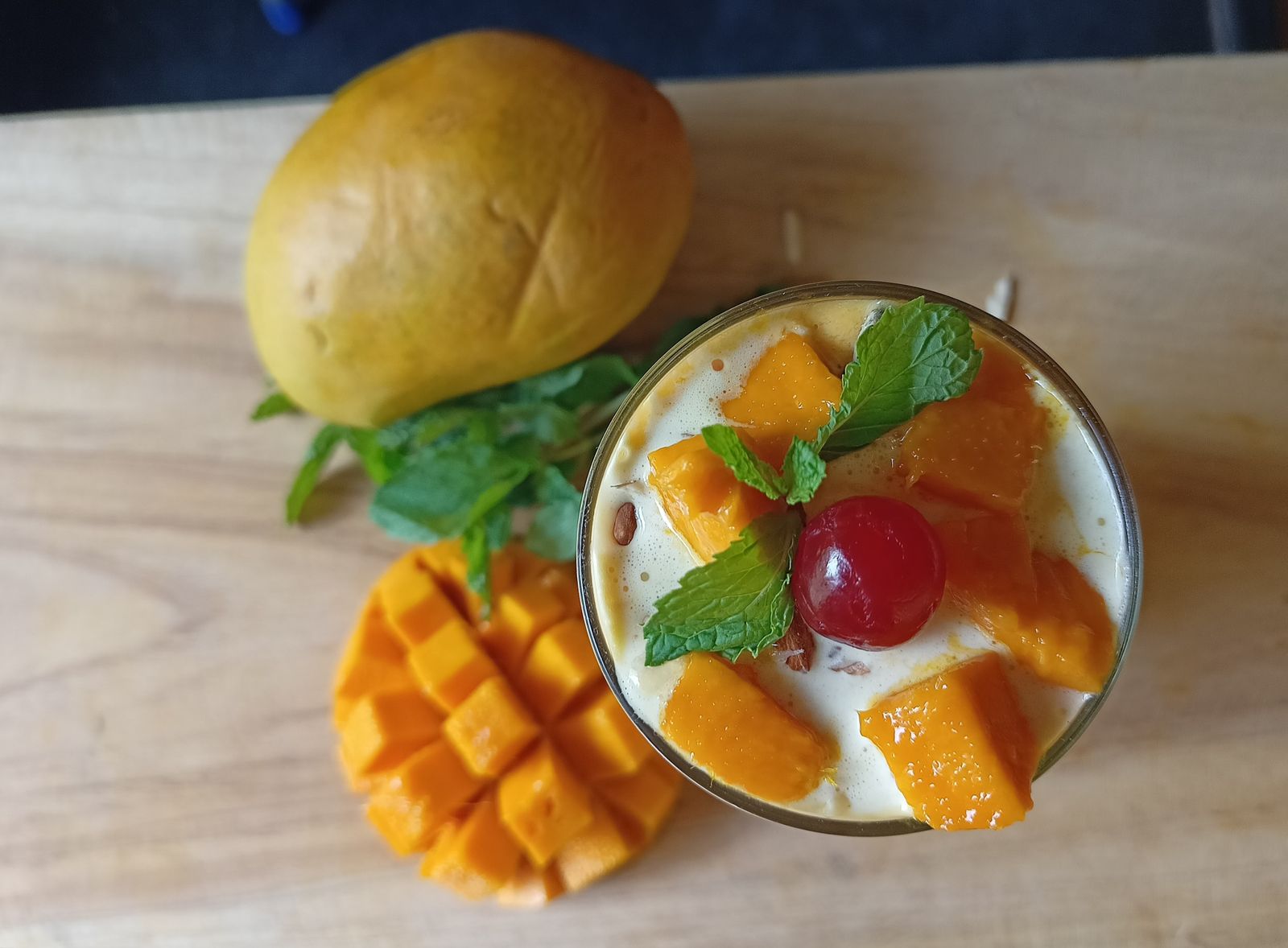
Mangoes are enjoyed in many forms: the pulp is made into aamras, aam papad, kulfi, ice cream and smoothies; green mangoes are used in chutneys, pickles and drinks such as aam panna; and dried powder (amchur) souring agent. The Mexican style of eating mango on a stick with chili and lime, and Thai mango with sticky rice, show different ways of enjoying it.
Mangoes are also a major crop. India is the largest producer, while Mexico, Thailand, Pakistan and Brazil export large quantities. Mango season is eagerly awaited, and mango diplomacy, in which governments gift mangoes, has been used between countries. The export of Indian mangoes to the United States was allowed again in 2007 after a long gap.
A timeline
- About 4,000 years ago: Mangoes are cultivated in India.
- 1500s: Mughal rulers plant orchards, and Portuguese traders spread the fruit.
- 1800s: Mangoes spread across tropical regions.
- 2007: India resumes mango exports to the United States.
- Today: India is the largest producer of mangoes.
Regional styles and variations
- Alphonso: a prized, sweet variety from the Konkan coast.
- Kesar: from Gujarat, aromatic and sweet.
- Dasheri: a fragrant variety from North India.
- Langra: from Varanasi.
- Ataulfo: a yellow Mexican variety.
- Tommy Atkins: a red and green variety for export.
Buying, tasting and choosing well
Choose mangoes that smell sweet at the stem and give slightly when pressed. Color is not always a guide, as many ripe mangoes stay green. Ripen at room temperature, then refrigerate. To cut, slice along the flat pit, score the flesh and scoop. Wash the skin before cutting, and be careful if you are sensitive to mango skin, which contains compounds related to poison ivy.
Did you know?
- Mango trees can live for hundreds of years.
- The mango is related to cashews and pistachios.
- Unripe mangoes are eaten with salt and chili.
- In India, mango season runs roughly from March to July.
Eating it today
Mangoes are a taste of summer. Enjoy them fresh, in lassi, or in desserts, and look for varieties from local markets.
Countries connected to this story
- India: the largest producer and the mango’s ancient home.
- Pakistan: famous for varieties such as Sindhri, Chaunsa and Anwar Ratol.
- Bangladesh: where the mango is part of the culture of the Rajshahi region.
- Philippines: where the Carabao mango is a national treasure.
- Mexico: a major exporter, with varieties such as Ataulfo.
- Thailand: known for mango sticky rice.
- Brazil: a major producer, especially in the São Francisco Valley.
Where to try it
- Mango Festival (Delhi, India): a yearly festival where many varieties are displayed.
- Ratnagiri and Devgad (Maharashtra, India): regions known for Alphonso mangoes.
- Multan (Punjab, Pakistan): a city known for its mangoes.
- Rajshahi (Bangladesh): a region known for mango orchards.
These are well-known examples, not paid recommendations or rankings, and places change. Check opening times and details before you travel.
Well-known brands
- Frooti: an Indian mango drink brand, launched in 1985.
- Maaza: a mango drink brand sold in India and elsewhere.
- Slice: a mango drink brand sold in India.
- Ratna Alphonso: a name used for Alphonso mangoes from Ratnagiri.
- Ataulfo mangoes (Honey mangoes): a Mexican variety sold in many countries.
Brands are named as widely known examples of makers, not as endorsements.
Related: Mango and Mango Lassi.
Many food origins are disputed. This story summarizes commonly cited accounts as an introduction, not the final word.
Photo credits: Anurag Jamwal on Pexels; SimplyArt4794 on Pexels; Rahul Sonawane on Pexels. Free stock photos shown as illustrations only.