
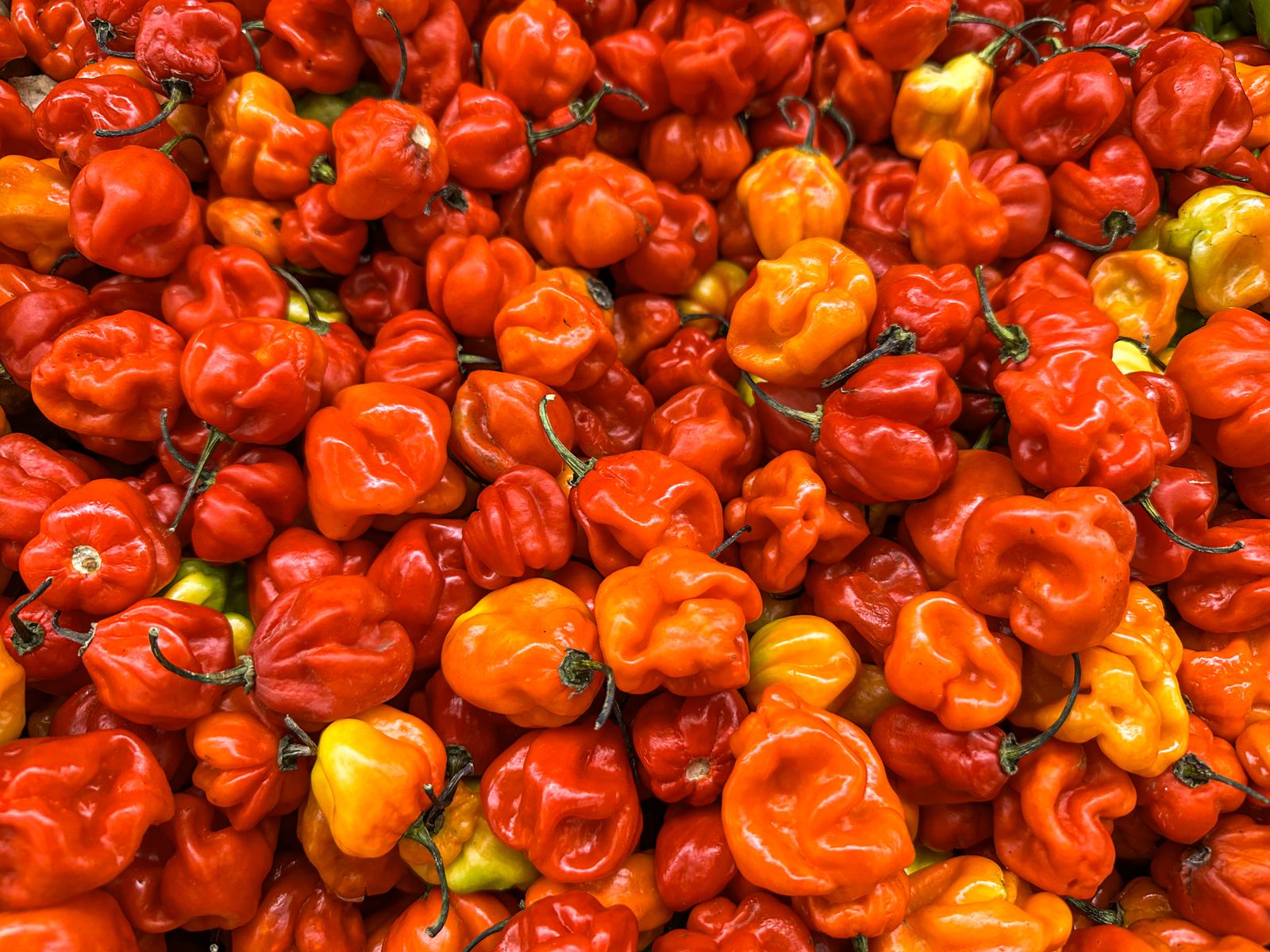
Indian food and heat seem inseparable, but chili peppers are not native to India. They come from the Americas, where they were domesticated thousands of years ago.
After Christopher Columbus reached the Americas, chili plants were carried to Europe and then on Portuguese ships to Asia and Africa. The Portuguese established a base in Goa in the early sixteenth century, and chilies spread from there across the subcontinent.

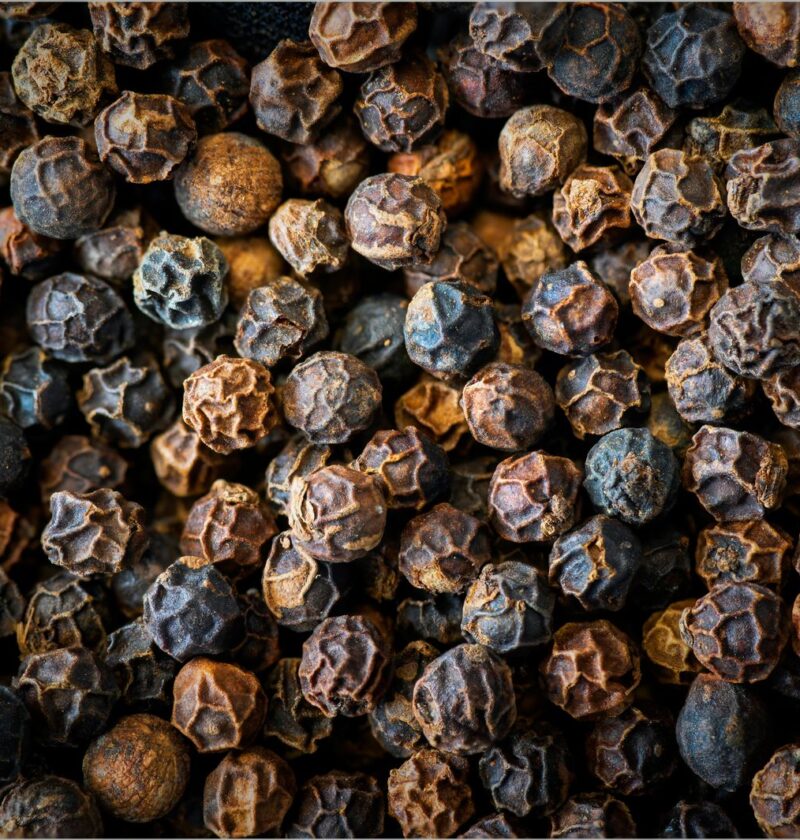
Before chilies, Indian cooks used black pepper and long pepper for heat, along with ginger and mustard. Chilies were easy to grow, cheaper than pepper, and thrived in many climates. Within a few generations they were part of regional cooking in every corner of India.
Different regions found their own uses. Andhra Pradesh is known for its fiery guntur chilies, Kashmir for the mild, deep red Kashmiri chili that colors dishes without too much heat, and Rajasthan for dried red chilies in robust curries.
Today India is one of the world’s largest producers and consumers of chilies. The story is a reminder that tastes we call traditional can change quickly when a new ingredient arrives and fits so well.
The story in more depth
Columbus’s voyages are often said to have led to the introduction of chilies to Europe, since he thought they were a type of pepper from the Indies. The Portuguese carried them along their trade routes to Africa, India and Southeast Asia, so within a century or two, chilies had been adopted from West Africa to Korea. In many places, farmers quickly found that chilies thrived in local conditions, and cooks found them a cheap source of fire.
India eventually developed a vast range of chilies: the thin-skinned, deep red Kashmiri for color; the fiery Guntur Sannam of Andhra Pradesh; Byadgi from Karnataka, prized for its color and wrinkled skin; the Mathania chili of Rajasthan; and the Bhut Jolokia (ghost pepper) of the northeast, once reported as the hottest in the world. Each is used differently, from tempering oil to pickles and pastes.
Chilies changed other cuisines as well. Sichuan cooks combined them with their native peppercorns; Hungary built a cuisine around paprika, a mild dried chili; Korea developed gochugaru and gochujang; Ethiopia blended berbere; and Thailand became known for its very hot bird’s eye chilies. The story of chilies is a reminder that the global spread of foods after 1492 changed what people eat everywhere.
A timeline
- Around 6,000 years ago: Chilies are domesticated in the Americas.
- 1493: Chilies are brought to Spain after Columbus’s first voyage.
- 1500s: Portuguese traders carry chilies to India, Africa and Southeast Asia.
- 1600s: Chilies spread widely in Indian cooking and trade.
- 1912: The American pharmacist Wilbur Scoville devises a scale of chili pungency.
- 2007: The Bhut Jolokia, from northeast India, is certified as the hottest chili by Guinness World Records.
- Today: India is the world’s largest producer and consumer of dried chilies.
Regional styles and variations
- Kashmiri chili: mild and deep red, used for color.
- Guntur chili: hot and widely used in Andhra cooking.
- Byadgi chili: a wrinkled, red chili from Karnataka known for color and moderate heat.
- Bhut Jolokia: the northeast Indian ghost pepper.
- Green chilies: used fresh in tempering, chutneys and curries.
- Dried red chilies: fried in oil for tempering, or ground into powder.
Buying, tasting and choosing well
Dried chilies should be flexible and fragrant, not brittle and dusty. For chili powder, buy small amounts and store them in airtight jars. Toast whole dried chilies briefly in a dry pan to bring out their flavor. When handling hot chilies, wear gloves, avoid touching your face, and if you eat something too hot, milk, yogurt or bread helps more than water.
Did you know?
- The heat comes from capsaicin, concentrated in the white pith that holds the seeds.
- Birds cannot taste capsaicin, so they spread chili seeds.
- The Scoville scale measures chili heat; bell peppers rate zero, and some chilies rate over a million units.
- Chilies are a good source of vitamin C.
Eating it today
Chilies are now so much a part of Indian food that many assume they have always been there. A good approach is to treat heat as a flavor, not a competition, and to add chili in stages, tasting as you go.
Countries connected to this story
- Mexico and the Americas: where chilies were domesticated thousands of years ago.
- Portugal: whose traders carried chilies to India, Africa and Asia.
- India: the largest producer and consumer of chilies in the world.
- Hungary: where mild chilies became paprika.
- Korea: known for gochugaru and fermented chili paste.
- Ethiopia: where chilies are central to berbere and wat stews.
- Thailand: famous for fiery bird’s eye chilies.
Where to try it
- Guntur Mirchi Yard (Guntur, Andhra Pradesh, India): a large chili market, often described as one of Asia’s biggest.
- Byadgi chili market (Byadgi, Karnataka, India): a trading center for the Byadgi variety.
- Khari Baoli (Delhi, India): a spice market where many varieties of chili are sold.
- Andhra restaurants (Hyderabad and Vijayawada, India): regional restaurants known for spicy Andhra meals.
These are well-known examples, not paid recommendations or rankings, and places change. Check opening times and details before you travel.
Well-known brands
- Tabasco: a hot sauce made by the McIlhenny Company in Louisiana since 1868.
- Huy Fong Foods: the maker of the well-known Sriracha sauce in California.
- Cholula: a Mexican-style hot sauce brand.
- Everest and MDH: Indian spice makers that sell chili powders, including Kashmiri chili.
Brands are named as widely known examples of makers, not as endorsements.
Related: Red chili spice page and green chili.
Many food origins are disputed. This story summarizes commonly cited accounts as an introduction, not the final word.
Photo credits: Frank Cone on Pexels; Terrance Barksdale on Pexels; Engin Akyurt on Pexels. Free stock photos shown as illustrations only.