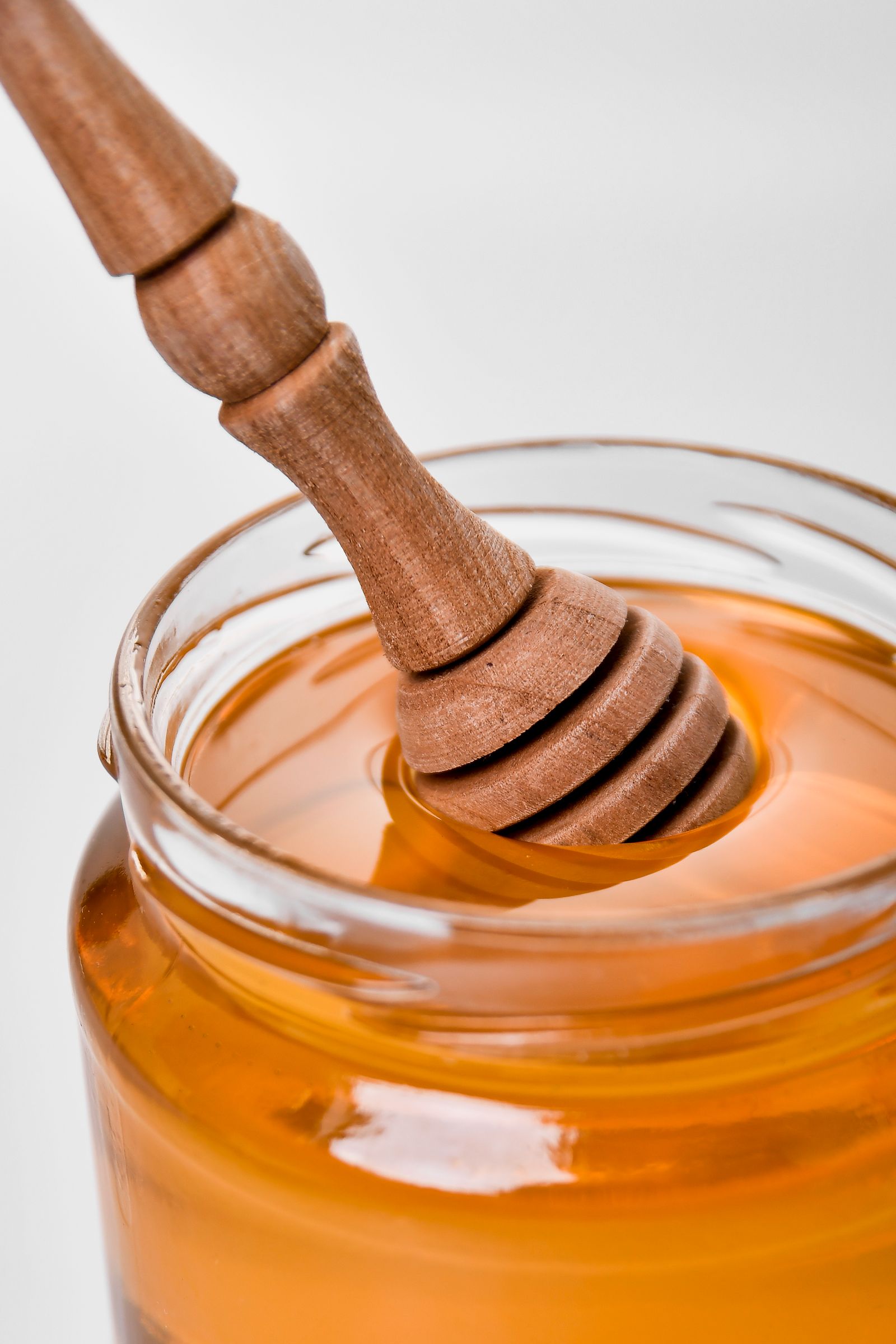

For most of human history, honey was the main sweet food in the world. Sugar from cane and beets only became common much later, so honey was precious as a sweetener, medicine and offering.
Rock art in the Cuevas de la Araña, near Valencia in Spain, shows a figure climbing to gather honey from a wild hive. Experts estimate the paintings are thousands of years old. Honey hunting is still practiced in parts of Asia and Africa.

Beekeeping appears in ancient Egypt, where reliefs from about 2400 BCE show beekeepers tending hives. Honey was used in food, in offerings and in ointments. It also fermented into mead, one of the oldest alcoholic drinks.
Different cultures built their own traditions. Greek and Roman cooks used honey in cakes and sauces, Indian cooking combined it with ghee and spices in sweets and in traditional remedies, and honey cakes are still part of Jewish celebrations such as Rosh Hashanah.
Honey varies with the flowers the bees visit, from pale and mild acacia to dark, strong buckwheat. It should not be given to babies under twelve months old. Because bees pollinate many crops, honey also reminds us how much food depends on these small insects.
The story in more depth
Honey has played a role in religion and medicine in many cultures. In ancient India, honey was one of the elements of Ayurvedic remedies and the Hindu ritual panchamrita. In the Bible, the Promised Land is described as flowing with milk and honey. In Islam, the Quran mentions honey as a healing substance, and in Greece honey cakes were offered to gods.
The study of bees is a field in itself. A honey bee colony can have tens of thousands of bees; workers visit many flowers to make a small amount of honey, and honey stored in comb is capped with wax. Beekeepers use hives with removable frames, a design developed in the nineteenth century, which allowed honey to be harvested without destroying the colony.
Today, honey is produced worldwide, with China, Turkey, Iran, Argentina and Ukraine among the main producers, and specialty honeys, such as New Zealand manuka honey, Greek thyme honey, Yemeni sidr honey and Ethiopian honey, can be expensive. Concerns include adulterated honey with added syrups, declining bee populations, pesticide use and habitat loss, so supporting local beekeepers and bee-friendly gardens helps.
A timeline
- Thousands of years ago: Prehistoric art shows people gathering wild honey.
- About 2400 BCE: Egyptian reliefs show beekeeping.
- Ancient Greece and Rome: Honey is used in food and medicine.
- 1852: The Langstroth hive with movable frames is patented in the United States.
- 2000s: Concerns about bee health and honey adulteration increase.
- Today: China, Turkey and Argentina are among the top producers.
Regional styles and variations
- Wildflower: a blend from many flowers.
- Clover: mild and light.
- Acacia: pale, delicate and slow to crystallize.
- Manuka: from New Zealand, dark and strong.
- Buckwheat: dark, malty and rich.
- Thyme honey: Greek honey with a herbal aroma.
- Comb honey: honey still in its wax comb.
Buying, tasting and choosing well
Choose honey from sources you trust, preferably labeled with its origin and floral type. Crystallized honey is natural and can be gently warmed to liquefy. Store it at room temperature in a closed jar. Raw honey is not heated or filtered much, and it can have more pollen. Do not feed honey to infants under 12 months.
Did you know?
- Honey keeps for a very long time when sealed, since it is low in water and acidic.
- A bee makes only a small fraction of a teaspoon in its lifetime.
- Honey is sweeter than sugar by volume.
- Bees visit millions of flowers to make a jar of honey.
Eating it today
Honey is a taste of place and season. Buy from local beekeepers when you can, and plant flowers to help bees.
Countries connected to this story
- Egypt and the ancient Near East: where beekeeping was practiced thousands of years ago.
- Greece: known for thyme honey and honey in desserts like loukoumades.
- India: with a tradition of honey in Ayurveda and sweets.
- New Zealand: known for manuka honey.
- Yemen: famous for sidr honey, among the most prized in the world.
- China and Turkey: among the largest producers.
- Ethiopia: a major honey producer, where honey wine (tej) is made.
Where to try it
- Greek honey markets and shops (Athens and Crete, Greece): shops selling thyme and pine honeys.
- Honey bee museums (Slovenia): Slovenia has a strong beekeeping tradition and the Museum of Apiculture in Radovljica.
- Borough Market (London, England): a market where honey from British beekeepers is sold.
- Local farmers’ markets (Worldwide): often the best source for regional honey.
These are well-known examples, not paid recommendations or rankings, and places change. Check opening times and details before you travel.
Well-known brands
- Capilano: an Australian honey company founded in 1953.
- Comvita: a New Zealand company known for manuka honey.
- Dabur: an Indian brand that sells honey.
- Langnese: a German honey brand.
- Sue Bee: an American honey brand sold by a beekeeper cooperative.
Brands are named as widely known examples of makers, not as endorsements.
Related: Honey and Fluffy Pancakes.
Many food origins are disputed. This story summarizes commonly cited accounts as an introduction, not the final word.
Photo credits: Adonyi Gábor on Pexels; Tochukwu Ekeh on Pexels; Mike Jones on Pexels. Free stock photos shown as illustrations only.