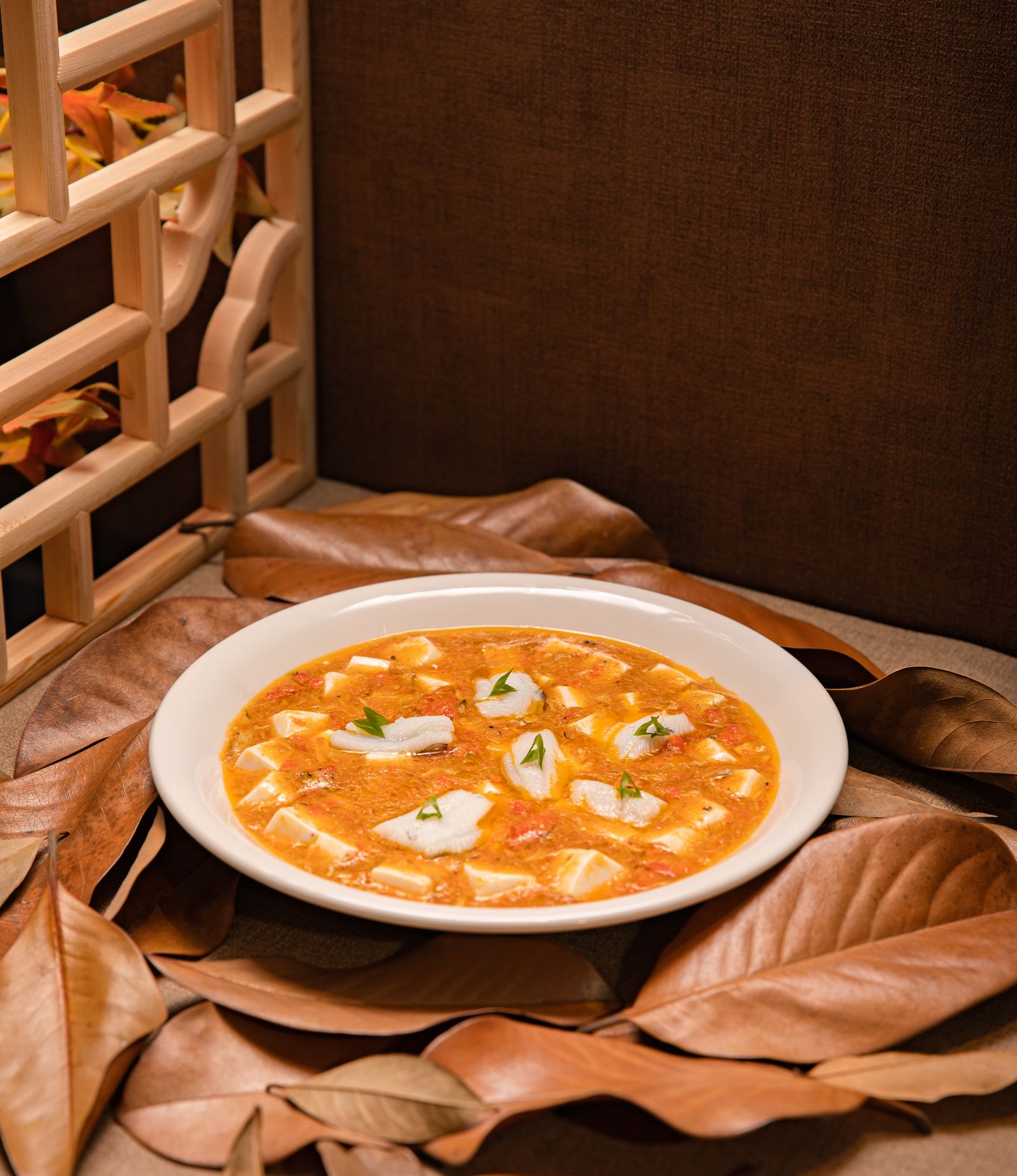
Mapo tofu is one of the best-known dishes of Sichuan: soft tofu in a fiery, oily red sauce with fermented bean paste, chili and ground Sichuan pepper. The flavor is described as má là, meaning numbing and hot.
The name is usually explained by a story. In the nineteenth century, a woman said to have a pockmarked face ran a small restaurant near a bridge in Chengdu. “Ma” means pockmarked and “po” means old woman, so the dish was known as the old pockmarked woman’s tofu. In many tellings, her name is given as Chen, and the date is around the 1860s.
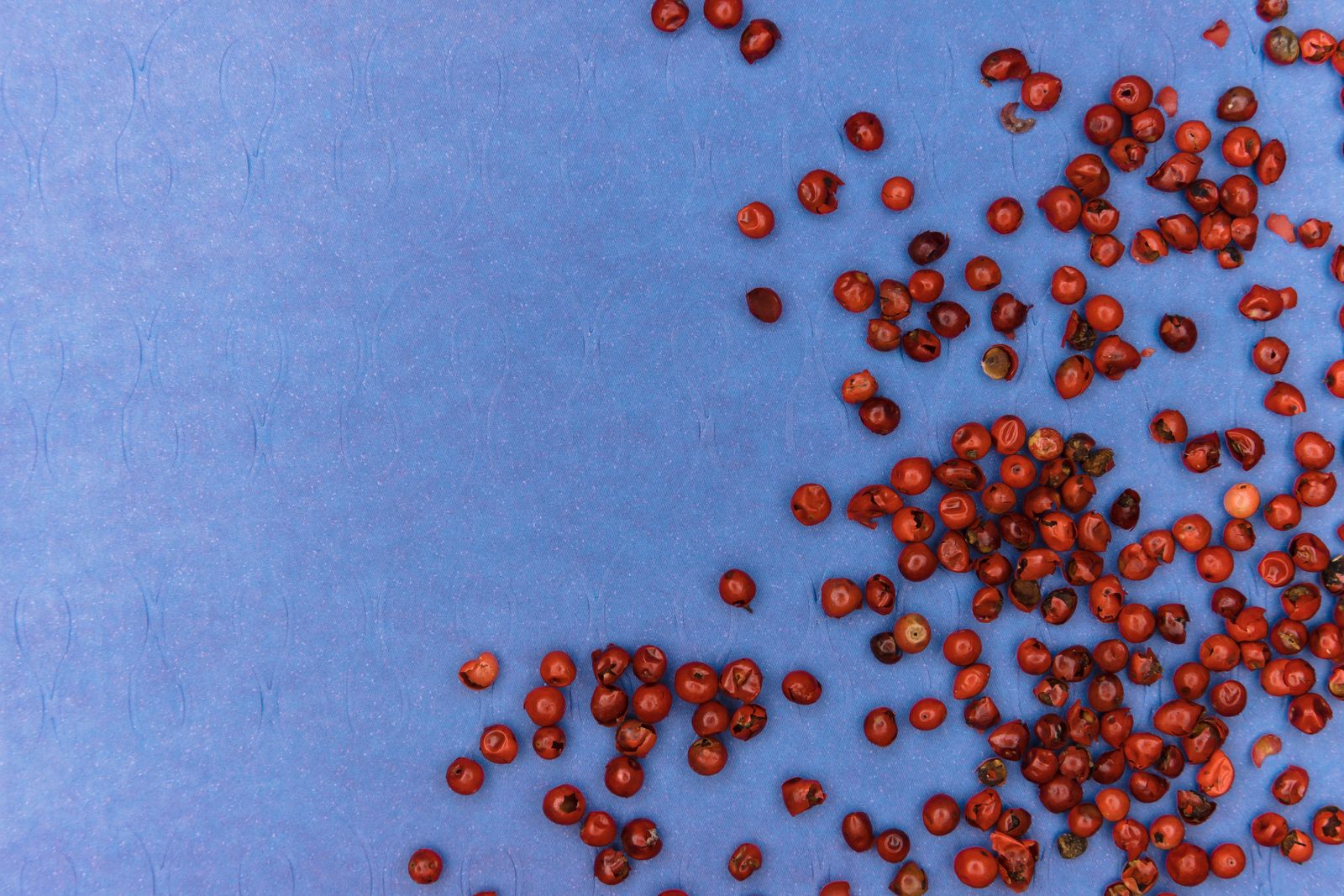
Historians say the dish is old enough to be well-documented in Sichuan cooking, but the details of the legend are hard to prove. Whatever the truth, the story is a classic example of a dish named after its creator, much like many in Chinese and world cuisine.
Chilies only reached China in the sixteenth and seventeenth centuries, after arriving from the Americas, and Sichuan cooks combined them with the region’s older flavoring, Sichuan peppercorns. The pairing gave the region its famous taste.
Mapo tofu has traveled to Japan, where a milder version became a home favorite, and to restaurants worldwide. The dish is often made with minced beef or pork, with vegetarian versions using mushrooms.
The story in more depth
Sichuan food is known for the concept of má là, “numbing and hot”, but the cuisine is far broader. Chengdu’s food culture, recognized by UNESCO, which named Chengdu a City of Gastronomy, includes a range of flavor profiles such as fish-fragrant, strange flavor and home-style. Mapo tofu depends on key ingredients: soft tofu; doubanjiang, a fermented broad bean and chili paste from Pixian county; fermented black beans; Sichuan peppercorns; and chili oil.
When Sichuanese migrants and chefs traveled, they carried the dish. In Japan, the Chinese chef Chen Kenmin, who came from Sichuan, opened a restaurant in Tokyo in the 1950s and popularized a milder mapo tofu, which became a household dish. His son Chen Kenichi became a television chef. The Japanese version typically uses less pepper, adding miso and sweet flavors, and instant mapo tofu sauce is a popular supermarket item.
In recent decades, Western chefs and writers such as Fuchsia Dunlop have brought attention to Sichuan food, and mapo tofu appears on menus and in cookbooks around the world. Vegetarian versions, with mushrooms in place of meat, and variations with beef or pork mince, show how the dish can adapt.
A timeline
- Ancient times: Tofu is developed in China, probably over two thousand years ago.
- 1500s to 1600s: Chilies reach China and are adopted in Sichuan.
- 1862: The traditional date given for the founding of Chen Mapo Tofu in Chengdu.
- 1950s: Chen Kenmin opens a Sichuan restaurant in Tokyo.
- 2010: Chengdu joins the UNESCO Creative Cities Network as a City of Gastronomy.
- Today: Mapo tofu is served in restaurants worldwide.
Regional styles and variations
- Traditional Sichuan: with chili bean paste, Sichuan pepper and minced beef.
- Japanese-style: milder, with miso or soy-based sauces and minced pork.
- Vegetarian: with mushrooms or plant-based mince.
- Sichuan pepper oil version: extra numbing and spicy.
- Home-style: simplified with fewer ingredients.
Buying, tasting and choosing well
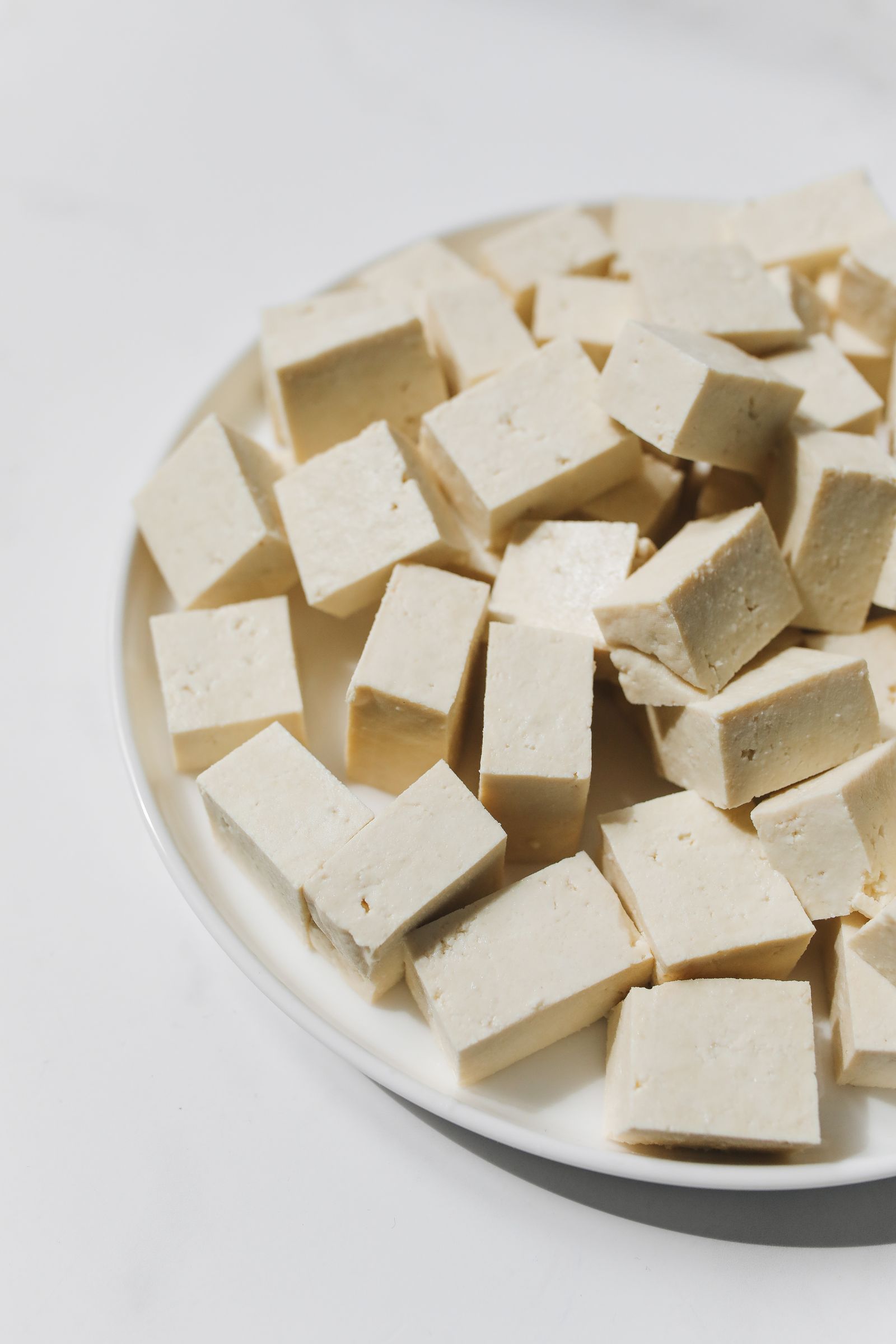
A good mapo tofu has soft tofu that holds its shape, a red, glossy sauce with layers of heat, and a pleasant numbing tingle. The balance of “má” and “là” matters more than extreme heat. The key ingredient is Pixian doubanjiang, a fermented chili bean paste; try to find a good one. Silken or soft tofu works well when handled gently.
Did you know?
- “Má” describes a numbing sensation, and “là” describes chili heat.
- Mapo tofu is often served with plain rice to balance the intensity.
- Tofu is made by curdling soy milk, similar to cheese.
- Sichuan peppercorns are not related to black pepper.
Eating it today
If you are new to Sichuan cooking, mapo tofu is a good place to begin. Start with a mild version and add more chili and peppercorn as you learn your taste, and try a Sichuan restaurant to compare.
Countries connected to this story
- China: the home of mapo tofu in Sichuan province, centered on Chengdu.
- Japan: where a milder version became a household favorite.
- South Korea: where Chinese-Korean restaurants serve their own versions.
- United States: where Sichuan restaurants have grown in recent decades.
- United Kingdom: where authentic Sichuan cooking has gained a following.
Where to try it
- Chen Mapo Tofu (Chengdu, China): a restaurant that traces its history to the origin story of the dish.
- Sichuan restaurants of Chengdu and Chongqing (China): cities famous for hot pot and Sichuan cooking.
- Chengdu Museum of Sichuan Cuisine (Pixian, China): a museum and cooking school in Pixian, near the source of doubanjiang.
These are well-known examples, not paid recommendations or rankings, and places change. Check opening times and details before you travel.
Well-known brands
- Juan Cheng Pixian Doubanjiang: a well-known brand of chili bean paste from Pixian.
- Lao Gan Ma: a Chinese brand of chili crisp sauce, founded by Tao Huabi.
- Lee Kum Kee: a Hong Kong-based sauce company with products sold worldwide.
- Ajinomoto Cook Do: a Japanese range of cooking sauces including a mapo tofu sauce.
Brands are named as widely known examples of makers, not as endorsements.
Related: Tofu and sesame oil.
Many food origins are disputed. This story summarizes commonly cited accounts as an introduction, not the final word.
Photo credits: Change C.C on Pexels; Polina Tankilevitch on Pexels; Markus Winkler on Pexels. Free stock photos shown as illustrations only.