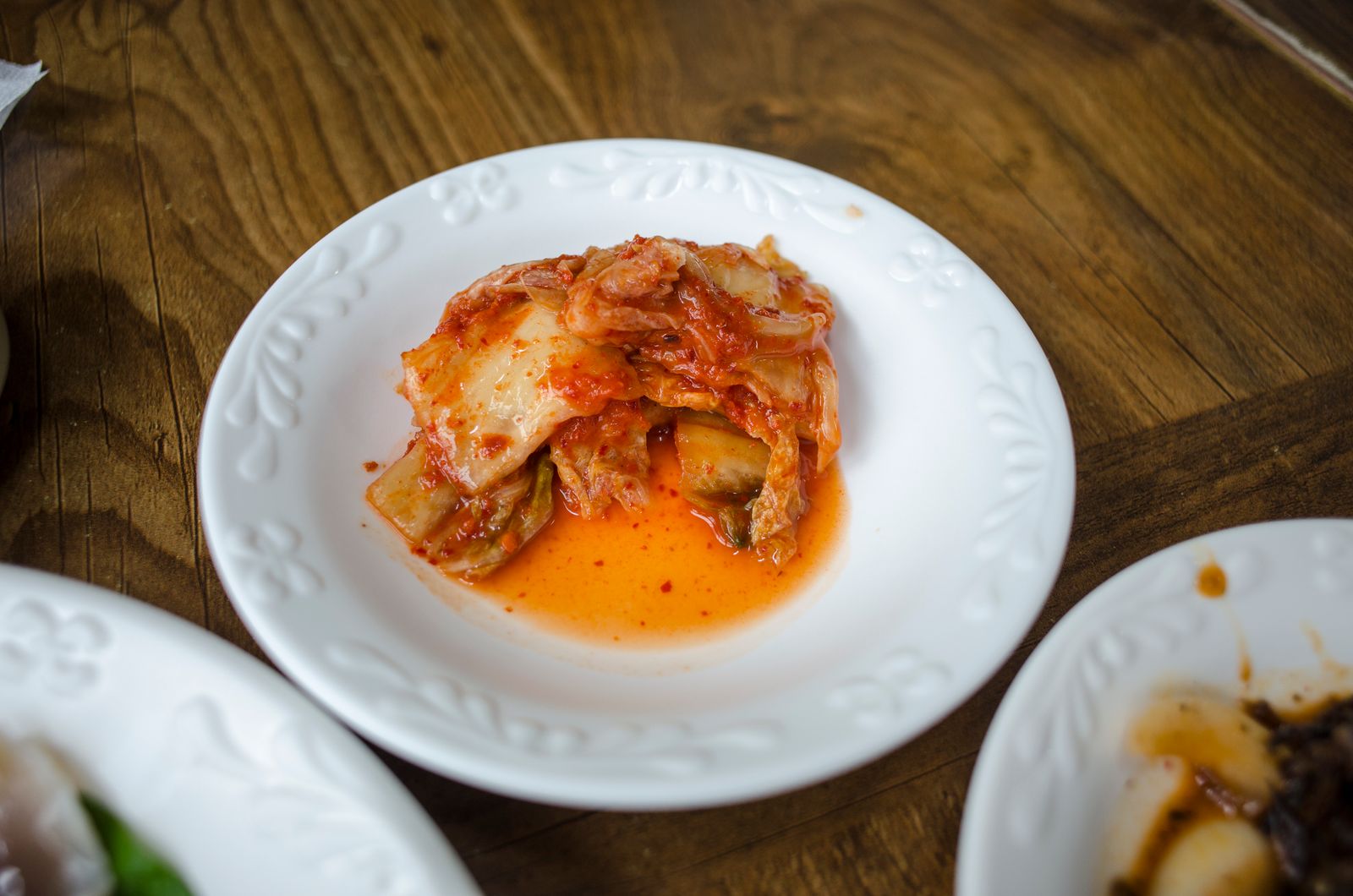
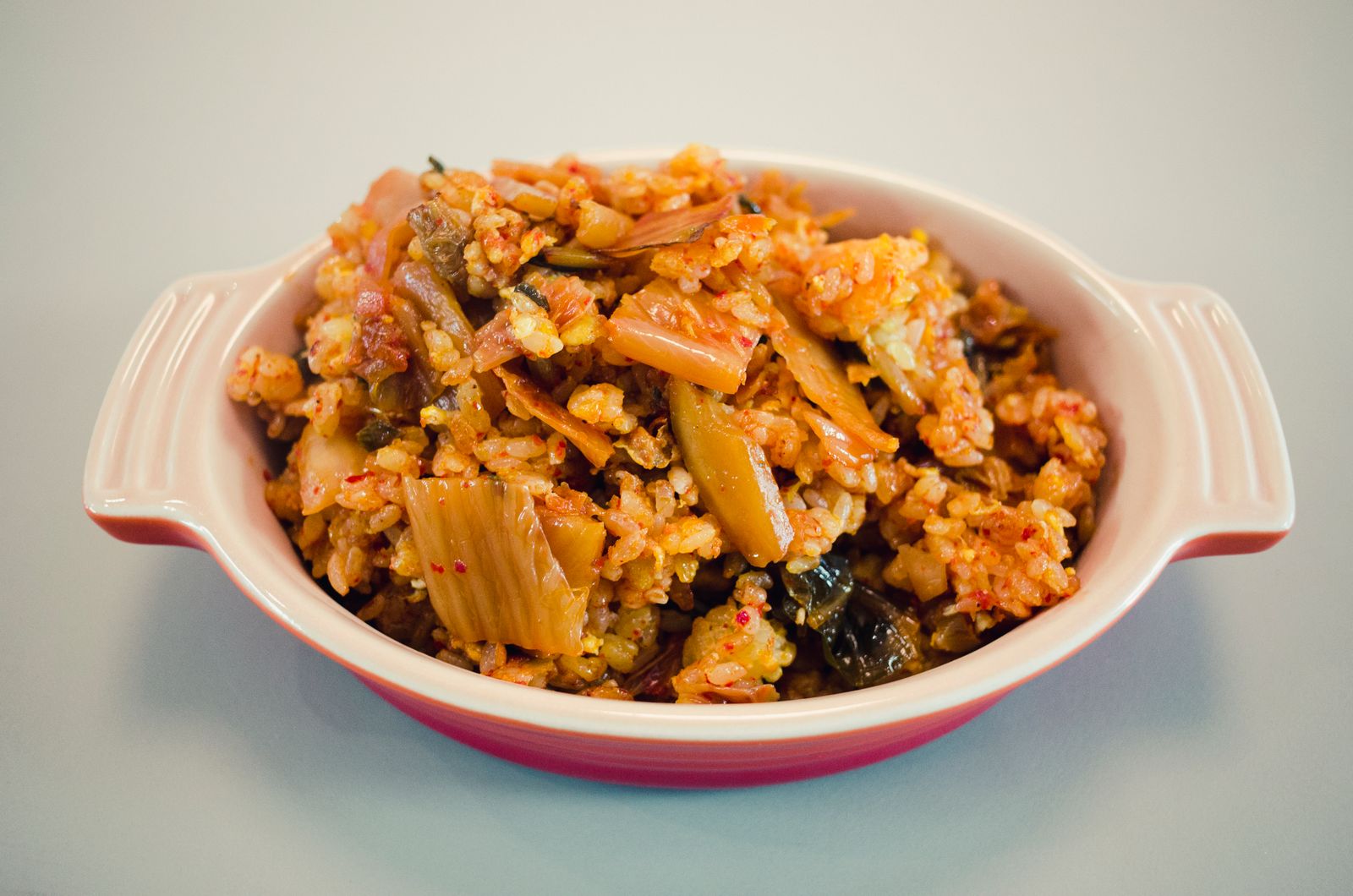
Kimchi is Korea’s best-known food: vegetables, most often napa cabbage and radish, salted and fermented with garlic, ginger, chili and other seasonings. It is eaten at nearly every meal and is also used in stews, pancakes and fried rice.
Preserving vegetables in salt is an ancient practice across the world, and early Korean kimchi was likely a salted or brined vegetable pickle without chili. Chilies arrived from the Americas in the sixteenth or seventeenth century, and the red, spicy kimchi most familiar today developed over the following centuries.
Traditionally, families gathered in late autumn for gimjang, the communal making of large quantities of kimchi to last through the winter. Neighbors and relatives helped each other, and the kimchi was stored in earthenware jars, called onggi, often partly buried in the ground.
In 2013, UNESCO added “Kimjang, making and sharing kimchi in the Republic of Korea” to its list of intangible cultural heritage. In 2015 it also recognized the kimjang tradition in North Korea.
There are hundreds of kinds of kimchi, from baechu (napa cabbage) to kkakdugi (radish cubes) and white water kimchi. Fermentation gives it a tangy flavor, and kimchi is often cited as an example of food that links people, family and place.
The story in more depth
Kimchi has a long history in Korea, and written records mention pickled vegetables in texts from over a thousand years ago. Over time, techniques developed to match the seasons: in winter, thick kimchi made from napa cabbage and radish; in summer, watery kimchi with cucumber; and, in spring, kimchi using young greens. Jeotgal (fermented seafood) such as salted shrimp and anchovy sauce gave kimchi its savory depth.
In the twentieth century, kimchi became a symbol of Korean identity. Korean soldiers serving in Vietnam are said to have asked for kimchi to be supplied, and Korean astronaut Yi So-yeon took specially developed space kimchi to the International Space Station in 2008. Kimchi refrigerators, designed to keep a stable temperature, are common in Korean homes. Kimchi even appears in a museum, Museum Kimchikan in Seoul.
Internationally, Korean culture, known as the Korean Wave, has brought attention to kimchi. Researchers study the lactic acid bacteria in fermented foods. There are also naming debates: Korea and China have argued over words for pickled vegetables, since China’s paocai is a different dish. Kimchi continues to evolve, appearing in tacos, burgers and pizza.
A timeline
- Over 1,000 years ago: Pickled vegetables appear in Korean records.
- 1500s to 1600s: Chilies arrive in Korea.
- 1700s to 1800s: Red, chili-flavored kimchi becomes common.
- 1988: Seoul hosts the Olympics, and kimchi gains international attention.
- 2013: UNESCO lists kimjang, making and sharing kimchi, in South Korea.
- 2015: UNESCO lists the tradition of kimchi-making in North Korea.
Regional styles and variations
- Baechu kimchi: spicy napa cabbage kimchi, the classic.
- Kkakdugi: cubed radish kimchi.
- Oi sobagi: stuffed cucumber kimchi.
- Baek kimchi: white, non-spicy kimchi.
- Dongchimi: radish water kimchi.
- Kimchi jjigae: a stew made with aged kimchi.
Buying, tasting and choosing well
Fresh kimchi tastes crisp and bright; older kimchi turns sour and is best for cooking in stews and fried rice. Look for kimchi with a clean, tangy smell, and refrigerate it after opening. If you have allergies or are vegan, check labels, since many kimchi contain fish sauce or shrimp. A jar may fizz when opened, which is normal fermentation.
Did you know?
- Kimchi is eaten with almost every meal in Korea.
- South Korea has a museum devoted to kimchi in Seoul.
- There are hundreds of regional types of kimchi.
- Kimchi is fermented by lactic acid bacteria, as are yogurt and sauerkraut.
Eating it today
Kimchi is both a tradition and a trend, appearing in tacos, pizzas and burgers. If you want to learn, try making a small jar at home, or buy from Korean grocers where it is fresh.
Countries connected to this story
- South Korea: the home of kimchi, with hundreds of regional and seasonal varieties.
- North Korea: which also has a kimchi-making tradition recognized by UNESCO in 2015.
- China: where Korean communities in Yanbian make kimchi, and where a separate pickle tradition, paocai, exists.
- Japan: where “kimuchi” is widely sold, often in milder versions.
- United States: home to large Korean communities, such as in Los Angeles, with kimchi makers.
- Uzbekistan and Central Asia: where Koryo-saram descendants developed dishes such as carrot salad, called morkovcha, from Korean roots.
Where to try it
- Museum Kimchikan (Seoul, South Korea): a museum about the history and culture of kimchi.
- Gwangjang Market (Seoul, South Korea): a large traditional market with food stalls.
- Namdaemun Market (Seoul, South Korea): a large market where kimchi ingredients and fermented foods are sold.
- Jeonju (South Korea): a city known for its food traditions, including bibimbap and banchan.
These are well-known examples, not paid recommendations or rankings, and places change. Check opening times and details before you travel.
Well-known brands
- Jongga (Daesang): a major Korean kimchi brand.
- Bibigo (CJ CheilJedang): a Korean food brand sold worldwide, including kimchi.
- Pulmuone: a Korean company known for kimchi and tofu.
- Mother-in-Law’s Kimchi: an American kimchi brand.
Brands are named as widely known examples of makers, not as endorsements.
Related: Kimchi Fried Rice.
Many food origins are disputed. This story summarizes commonly cited accounts as an introduction, not the final word.
Photo credits: makafood on Pexels. Free stock photos shown as illustrations only.