Naples is widely seen as the birthplace of pizza as we know it. Flatbreads with toppings existed across the Mediterranean for centuries, but in Naples they became an everyday street food, eaten by working people from the eighteenth century onward.
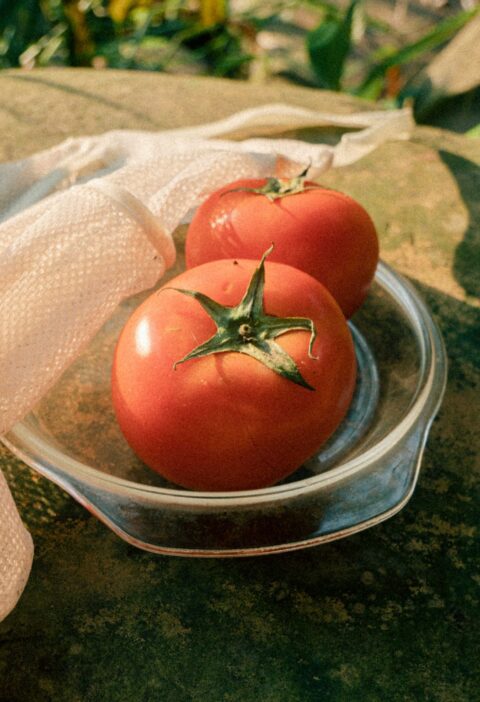
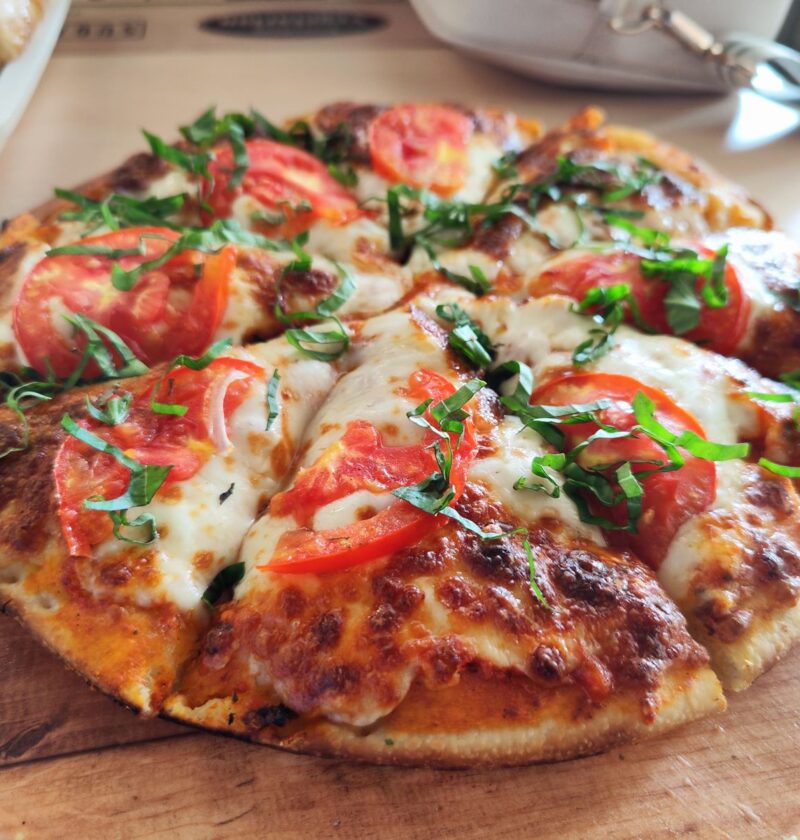
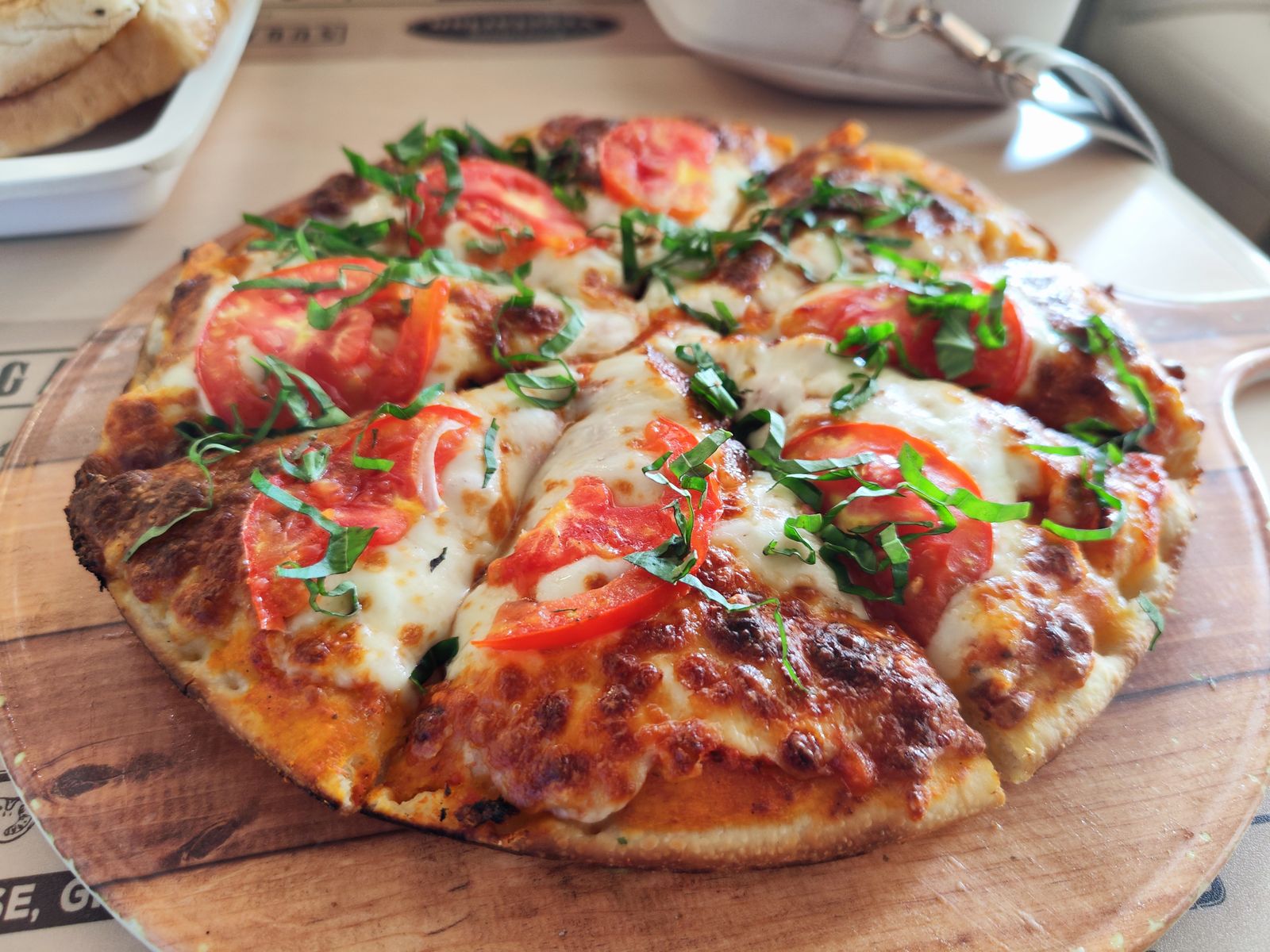
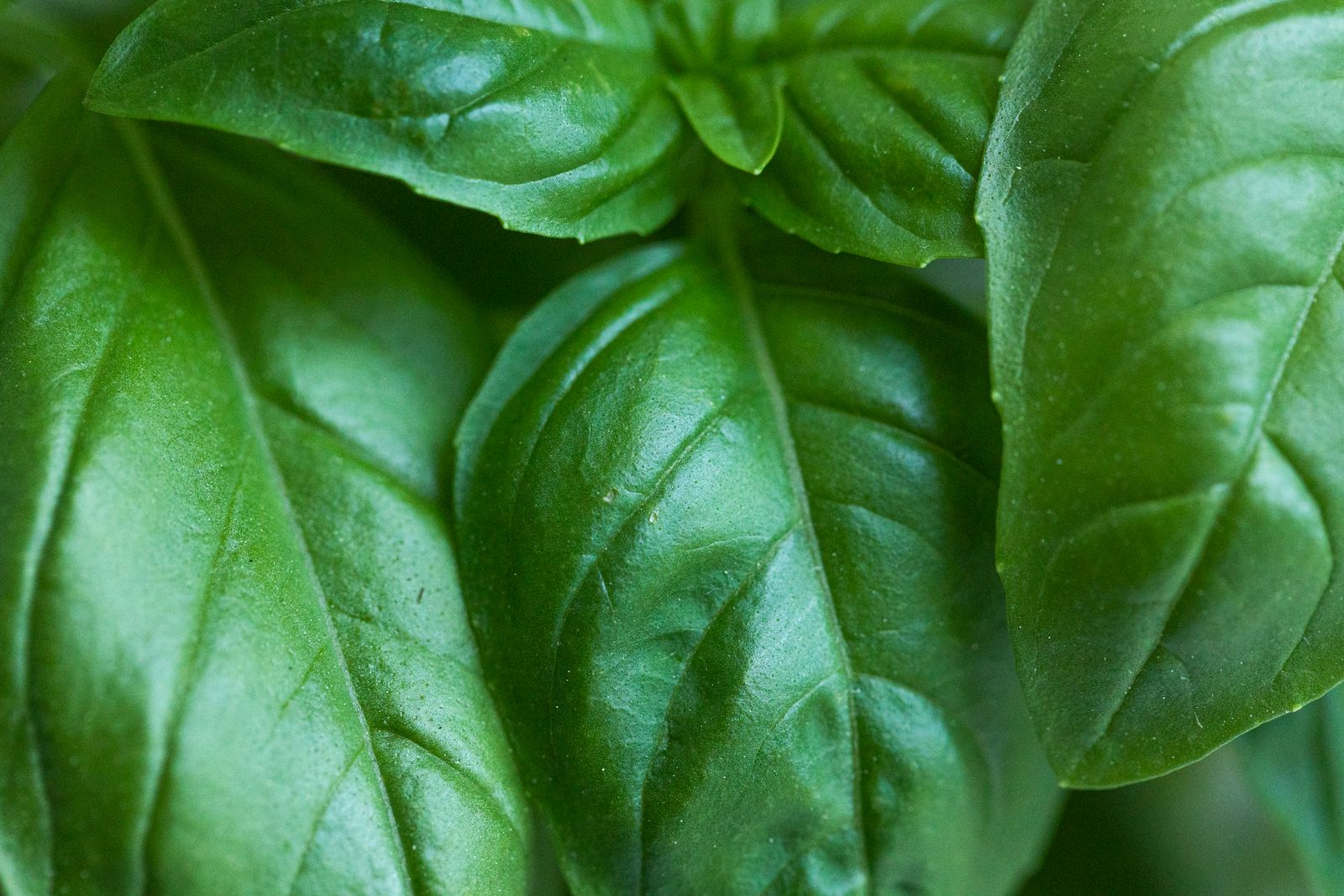
The best-known story says that in 1889 Queen Margherita of Savoy visited Naples with King Umberto I. A pizza maker named Raffaele Esposito is said to have baked three pizzas for her. The one she liked best was topped with tomato, mozzarella and basil, whose red, white and green echo the colors of the Italian flag. It was named Pizza Margherita in her honor.
Historians urge caution. A letter thanking Esposito is often cited, but researchers have debated its authenticity. Pizzas with tomato and cheese were also known in Naples before 1889. The tale was probably polished over time, and it is a good example of how food legends grow.
What is certain is that Neapolitan pizza has strong traditions. The Associazione Verace Pizza Napoletana sets rules for the dough, the oven and the toppings, and in 2017 UNESCO recognized the art of the Neapolitan pizzaiuolo as part of humanity’s intangible cultural heritage.
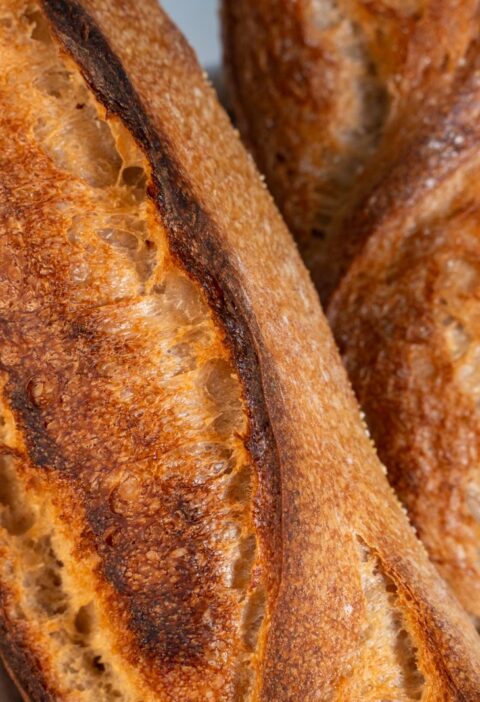
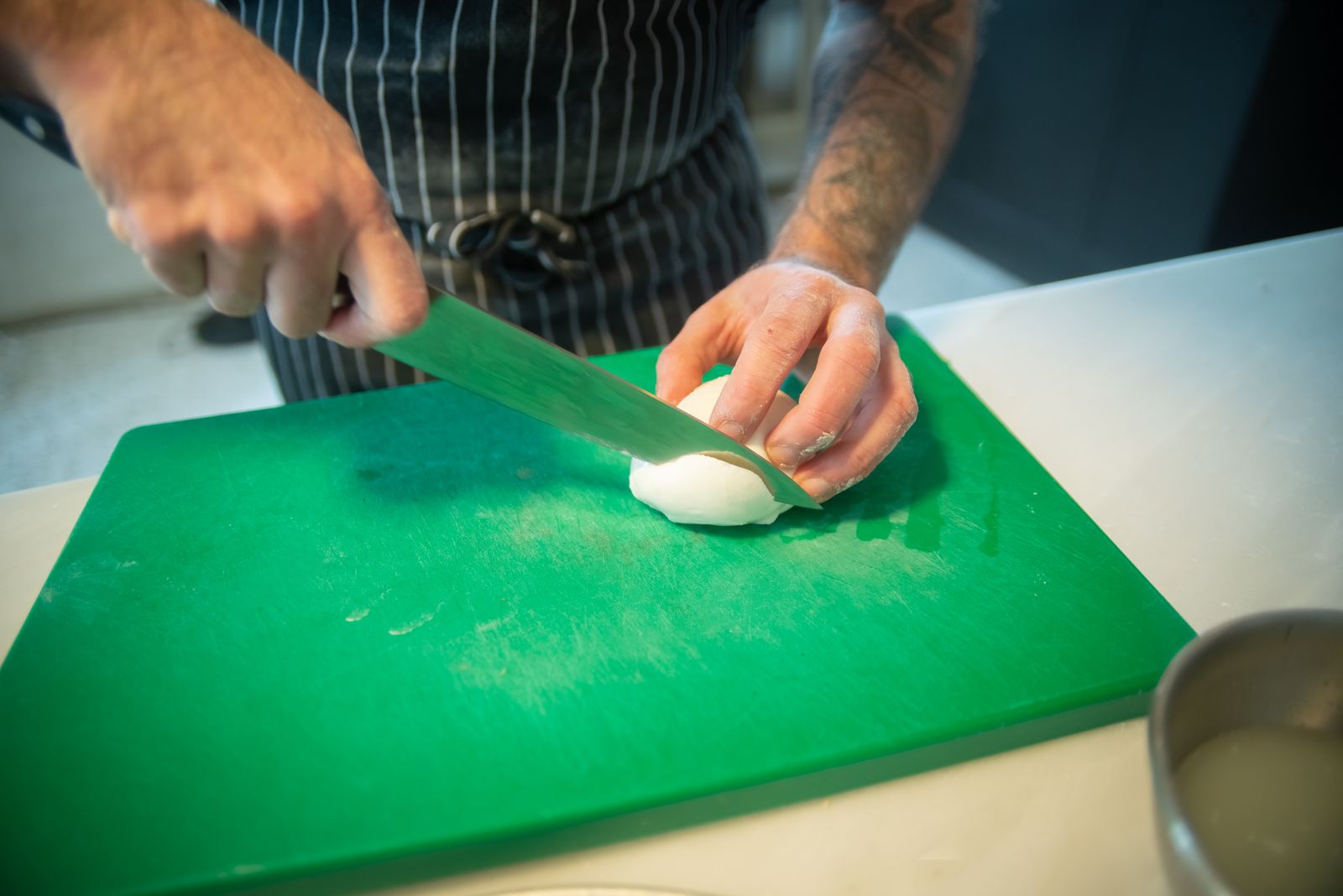
Whatever its true origin, the Margherita remains the simplest test of a pizza maker: a good dough, ripe tomatoes, fresh mozzarella and a few basil leaves.
The story in more depth
Pizza began as food for the poor of Naples, sold by street vendors who carried it in metal drums and sold slices by the piece. In the nineteenth century, as Naples grew and visitors arrived, pizzerias opened with seating, ovens and marble tables, and the dish gradually earned respect beyond the city. The Margherita story belongs to this period, when the tradition of pizza was moving from the street into restaurants.
The real spread of pizza came with emigration. Italians who moved to the United States, Argentina, Brazil and other countries opened pizzerias in their new homes, often changing the dish to match local ingredients and tastes. In New York, pizza was sold in Italian neighborhoods from the early twentieth century, and after the Second World War, American soldiers who had tried pizza in Italy helped to make it a national favorite.
Today there are many regional styles: thin, floppy Neapolitan pizza baked in a hot wood-fired oven in under two minutes; large foldable New York slices; thick Chicago deep-dish; Roman pizza al taglio sold by weight; and Brazilian pizzas with unusual toppings. The Neapolitan tradition is protected by rules for the dough, ingredients and oven, but pizza as a whole remains flexible and constantly reinvented.
A timeline
- 1700s: Flatbreads with simple toppings are sold as street food in Naples.
- 1889: The Margherita legend places a pizza baked for Queen Margherita of Savoy in Naples.
- 1905: Lombardi’s opens in New York, often described as the first licensed pizzeria in the United States.
- 1958: Pizza Hut opens in Kansas, USA.
- 1960: Domino’s begins as a pizza business in Michigan, USA.
- 1984: The Associazione Verace Pizza Napoletana is founded to protect the Neapolitan tradition.
- 2010: The European Union registers Neapolitan pizza as a Traditional Specialty Guaranteed.
- 2017: UNESCO recognizes the art of the Neapolitan “pizzaiuolo” as intangible cultural heritage.
Regional styles and variations
- Neapolitan: a soft, charred crust with a raised edge, baked for around a minute or two in a very hot wood-fired oven.
- Roman: either thin and crisp (tonda) or rectangular and sold by weight (pizza al taglio).
- New York: large, thin, foldable slices sold at pizzerias and slice shops.
- Chicago deep-dish: a thick, buttery crust filled with cheese and sauce.
- Sicilian and sfincione: a thick, spongy pizza topped with onions and breadcrumbs in Palermo.
- Argentine fugazza: an onion and cheese pizza with thick crust.
Buying, tasting and choosing well
A good pizza begins with the dough, which usually rises slowly for many hours so that it develops flavor and an airy texture. At a pizzeria, look for a blistered, slightly charred crust with a soft center and fresh toppings, not too many. For fresh mozzarella, drain it well so it does not make the pizza watery. At home, a hot oven with a preheated stone or steel helps.
Did you know?
- The traditional Margherita uses just tomato, mozzarella, basil and olive oil.
- Neapolitan rules specify a dough of flour, water, salt and yeast, shaped by hand and never rolled with a pin.
- The word “pizza” appears in documents in southern Italy as early as the tenth century, though what it described then was different.
- Hawaiian pizza, with pineapple and ham, was invented in Canada in the 1960s.
Eating it today
Pizza is now one of the most widely eaten foods in the world, from wood-fired restaurants to home ovens and delivery. Many pizza makers are returning to long fermentation and simple toppings, which honors the Margherita’s lesson that a few good ingredients can be enough.
Countries connected to this story
- Italy: the birthplace of pizza in Naples, with regional styles such as Roman and Sicilian.
- United States: where Italian immigrants opened pizzerias in New York and elsewhere, and where regional styles like Chicago deep-dish developed.
- Argentina: known for fugazza, a pizza topped with onion, and for a strong Italian-influenced pizza culture.
- Brazil: São Paulo is known for its many pizzerias and creative toppings.
- Japan: a thriving pizza scene with Neapolitan-trained chefs and unusual toppings.
- United Kingdom: where pizza became a staple of high streets from the 1960s and 1970s.
Where to try it
- L’Antica Pizzeria da Michele (Naples, Italy): a famous pizzeria on Via Cesare Sersale, known for its simple menu.
- Pizzeria Brandi (Naples, Italy): a pizzeria linked in many accounts with the Margherita story.
- Lombardi’s (New York, USA): often described as the first licensed pizzeria in the United States, opened in 1905.
- Totonno’s (Coney Island, New York, USA): a historic coal-oven pizzeria dating to the 1920s.
These are well-known examples, not paid recommendations or rankings, and places change. Check opening times and details before you travel.
Well-known brands
- Antimo Caputo: a Naples flour maker whose “00” flour is widely used by pizza makers.
- Domino’s: a global pizza delivery chain founded in the United States in 1960.
- Pizza Hut: a global chain that started in Kansas, USA, in 1958.
- Dr. Oetker: a German company known for frozen pizzas and baking products.
Brands are named as widely known examples of makers, not as endorsements.
Related: Margherita Pizza recipe.
Many food origins are disputed. This story summarizes commonly cited accounts as an introduction, not the final word.
Photo credits: Sonali Mehta on Pexels; Kampus Production on Pexels; Creative Free Stock on Pexels. Free stock photos shown as illustrations only.