
Long before oil or gold dominated headlines, pepper was among the most valuable goods traded across the globe. Black pepper grows on a vine native to the Malabar Coast of southwestern India, and from there it traveled by land and sea for thousands of years.
Ancient Romans imported pepper through Red Sea ports, and it appears in Roman recipes. A commonly cited account says that when the Visigoth leader Alaric besieged Rome in 408 CE, the ransom he demanded included thousands of pounds of pepper. Historians treat the exact figures with care, but the story shows how precious it was.
In medieval Europe, the spice trade passed through Arab and Venetian merchants, who grew rich as middlemen. European powers eventually looked for sea routes that avoided them. In 1498 the Portuguese navigator Vasco da Gama reached Calicut in India after sailing around Africa, a voyage that helped open direct trade in pepper and other spices.
Later, the Dutch and British East India Companies fought for control of spice-producing regions, including cloves, nutmeg and cinnamon in Southeast Asia and Sri Lanka. Spices shaped colonial history and the borders of empires.
As supplies grew, prices fell, and pepper moved from luxury to everyday table seasoning. Even so, the phrase “a peppercorn rent”, meaning a very small payment, hints at its old value. Today, India, Vietnam, Indonesia and Brazil are among the main producers.
The story in more depth
The spice trade shaped the map of the world. Because pepper, cinnamon, cloves and nutmeg only grew in certain places, controlling their routes meant great wealth. Cloves and nutmeg came from tiny islands in what is now Indonesia, the Moluccas and Banda Islands, and for centuries their journey to Europe passed through many middlemen. In the seventeenth century, the Dutch East India Company fought hard to control the nutmeg trade, a history that included terrible violence against the people of the Banda Islands.
Spices were not only luxuries. They were used in medicine, perfumes, preservation and religious rites. In medieval Europe they signaled wealth at the table. After sea routes opened and plantations spread, the price fell, and spices became part of everyday cooking in Europe, while chilies, an American spice, reshaped cooking across Asia and Africa.
The legacy of the spice trade is visible in food names, port cities and cuisines. Cities such as Kochi in India, Zanzibar in Tanzania, Malacca in Malaysia, Lisbon in Portugal and Amsterdam in the Netherlands all grew from spice routes. Today spices are grown in many countries, and fair trade and sustainable sourcing have become important concerns.
A timeline
- Thousands of years ago: Pepper is traded from the Malabar Coast of India to the Middle East and Mediterranean.
- 408 CE: A ransom paid to Alaric during the siege of Rome is said to have included pepper.
- 1200s to 1400s: Venice and Genoa dominate the European end of the spice trade.
- 1498: Vasco da Gama reaches Calicut by sea.
- 1602: The Dutch East India Company is founded.
- 1621: The Dutch seize the Banda Islands to control nutmeg and mace.
- 1800s: Spice cultivation spreads to other colonies and prices fall.
- Today: Vietnam, India, Indonesia and Brazil are among the main producers of black pepper.
Regional styles and variations
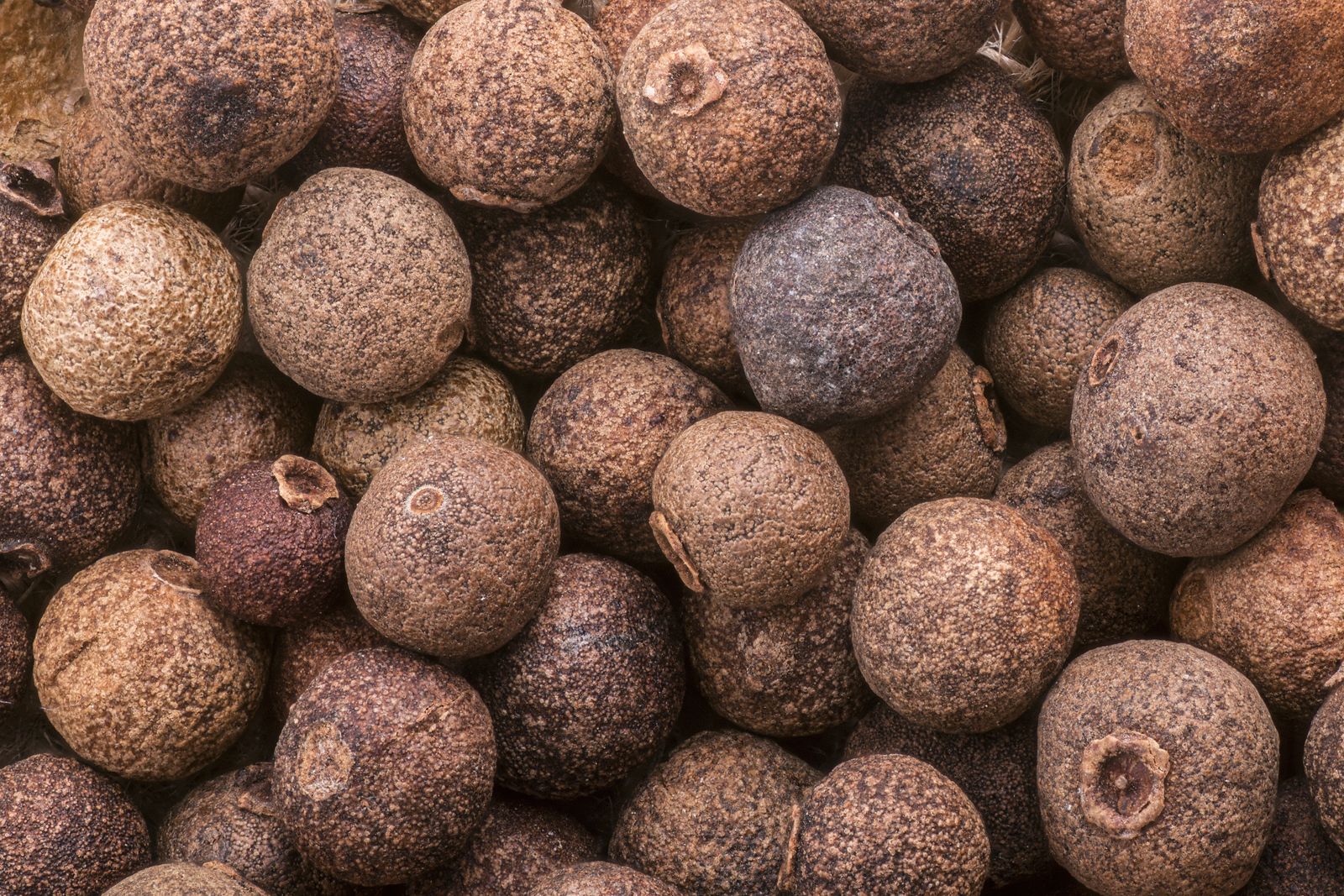
- Black pepper: the dried unripe berries, with a strong aroma and heat.
- White pepper: berries with the outer skin removed, milder and used in light sauces.
- Green pepper: unripe berries, often preserved in brine or freeze-dried.
- Long pepper: a relative once prized in Europe and India, with a sweet, hot flavor.
- Pink peppercorns: not true pepper but berries from a different plant, used as a garnish.
- Sichuan pepper: also not true pepper, but a citrusy, numbing spice from China.
Buying, tasting and choosing well
Whole peppercorns keep their flavor for years, while ground pepper fades quickly, so grind fresh with a mill. Look for peppercorns that are plump and fragrant, and consider origin: Tellicherry (India) is known for large berries, Sarawak (Malaysia) for floral notes, and Kampot (Cambodia) for a protected, aromatic pepper. Store spices in sealed jars away from heat and light.
Did you know?
- Black, white and green peppercorns all come from the same plant, Piper nigrum.
- Pepper was once so valuable that it was counted out in single peppercorns.
- The word “peppercorn rent” survives in English to mean a very small payment.
- Kampot pepper from Cambodia has a protected geographical indication.
Eating it today
Pepper is now on almost every table, but the story behind it is a reminder of how much history can be contained in a spice jar. Choosing fair-trade or traceable spices helps support the farmers who still grow them by hand in places such as Kerala, Vietnam and Cambodia.
Countries connected to this story
- India: the home of black pepper, cardamom and many other spices, especially on the Malabar Coast in Kerala.
- Indonesia: the “Spice Islands” of cloves and nutmeg, and today a major producer of pepper and cinnamon.
- Portugal: whose sailors opened the sea route to India in 1498 and built a spice empire in Asia.
- Netherlands: the Dutch East India Company controlled much of the spice trade in the seventeenth century.
- Italy: Venice grew rich as a European center of the spice trade in the Middle Ages.
- Vietnam: now the world’s largest producer of black pepper.
- Sri Lanka: famous for true cinnamon.
Where to try it
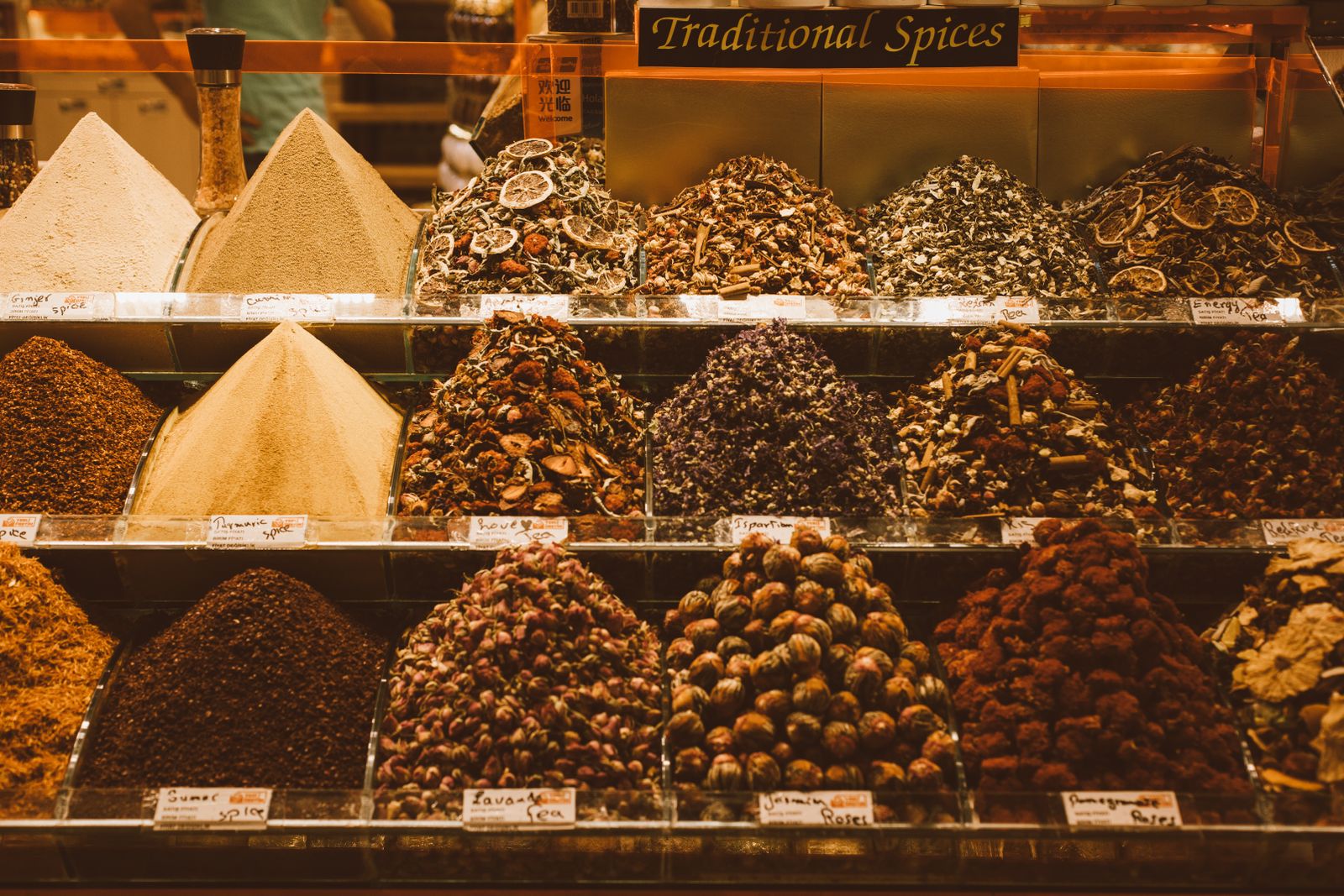
- Spice Bazaar (Mısır Çarşısı) (Istanbul, Turkey): a historic covered market dating to the seventeenth century, known for spices and sweets.
- Khari Baoli (Delhi, India): an old wholesale spice market in Old Delhi, often described as one of Asia’s largest.
- Mattancherry spice markets (Kochi, India): an area with centuries of spice trading history, near Jew Town.
- Souks of Marrakech (Marrakech, Morocco): spice stalls selling blends such as ras el hanout.
These are well-known examples, not paid recommendations or rankings, and places change. Check opening times and details before you travel.
Well-known brands
- McCormick: an American spice company founded in 1889, one of the largest in the world.
- Schwartz: a well-known British spice brand.
- Everest: a popular Indian maker of ground spices and blends.
- MDH: a well-known Indian spice brand, widely sold abroad.
Brands are named as widely known examples of makers, not as endorsements.
Related: Black pepper spice page.
Many food origins are disputed. This story summarizes commonly cited accounts as an introduction, not the final word.
Photo credits: ROMAN ODINTSOV on Pexels; Frank Cone on Pexels; Максим Вышарь on Pexels. Free stock photos shown as illustrations only.