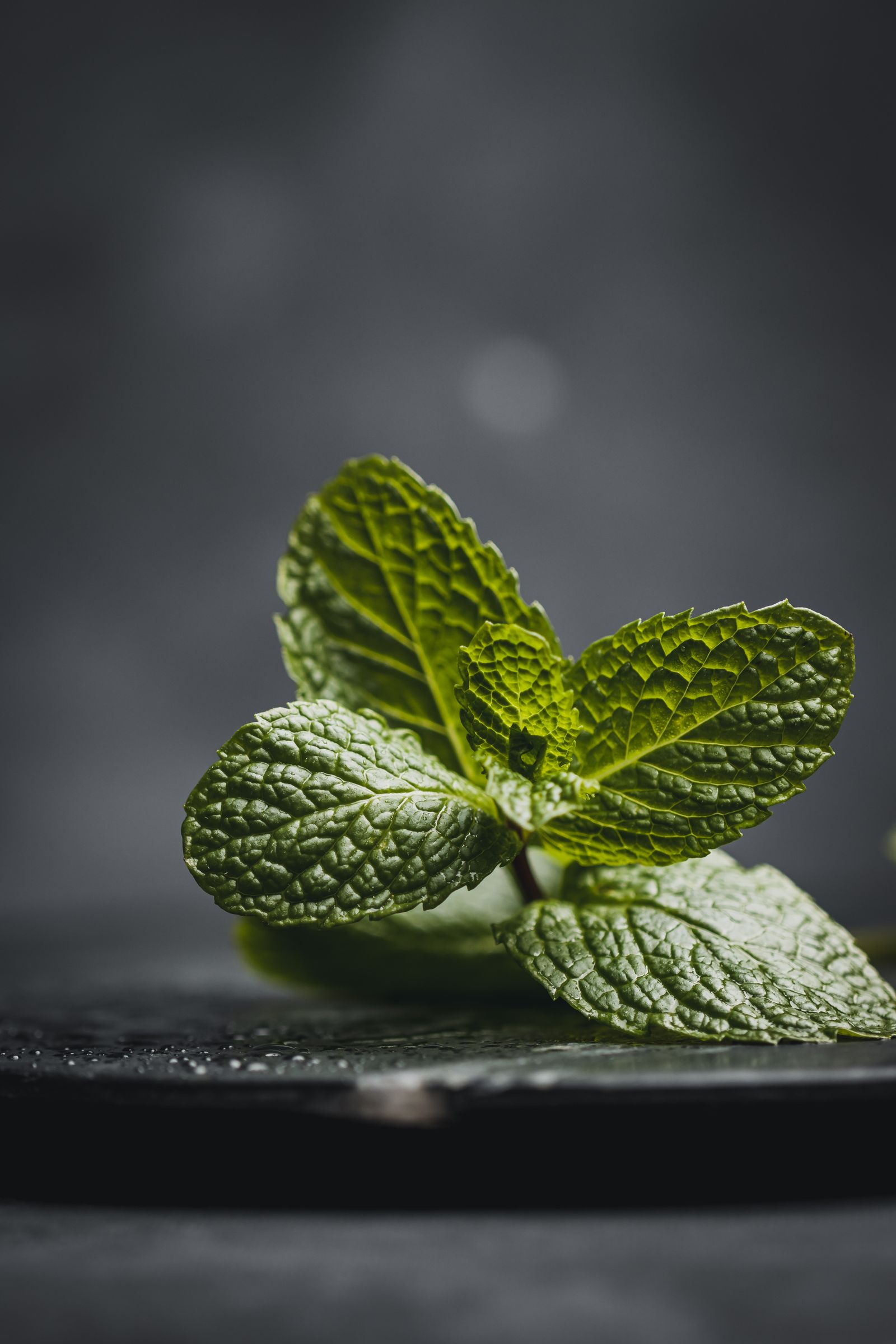
Mint is a cooling, refreshing herb with a clean, sweet aroma. It is used in drinks, salads, sauces, desserts and savory dishes across the world.
- Botanical name
- Mentha species (spearmint M. spicata, peppermint M. × piperita)
- Type
- Fresh herb
- Native to
- Europe, Asia and the Mediterranean
- Used most in
- The Middle East, North Africa, India, Thailand, Vietnam, the United Kingdom, the United States
History
Mint has been used since ancient times. Dried mint has been found in Egyptian tombs, and in Greek myth the nymph Minthe was transformed into the plant. Greeks and Romans used it in perfumes, drinks and cooking. Peppermint is a natural hybrid of watermint and spearmint that was identified in England in the 17th century.
Where it comes from
Mint grows wild across Europe, Asia and North Africa and thrives in damp soil. It spreads fast and is easy to grow, often in pots to keep it contained.
Where it is used most
Mint is essential in Moroccan mint tea, Middle Eastern tabbouleh and yogurt dishes, Indian chutneys and raita, Thai and Vietnamese salads and rolls, British mint sauce and the mojito and mint julep in the United States.
Varieties and types
Spearmint is the common cooking mint, mild and sweet. Peppermint is stronger and cooler, used more in teas and sweets. Moroccan, apple, chocolate and pineapple mints are other varieties.
Flavor and how to use it
Add leaves to drinks, lemonade and tea, tear into salads, blend into chutneys and sauces, or scatter over fruit and desserts. Add them late, as heat dulls the flavor.
Buying, storing and substitutes
Keep stems in a glass of water in the fridge or wrap in a damp towel; use within about a week. Basil or parsley can fill in for color in some dishes, but the flavor is different.
Recipes that use it
- Berry Yogurt Parfait
- Chicken Biryani
- Easy Vegetable Pulao
- Fresh Spring Rolls (Gỏi Cuốn)
- Tabbouleh (Lebanese Parsley Salad)
Photo credit: Anna Pyshniuk on Pexels.