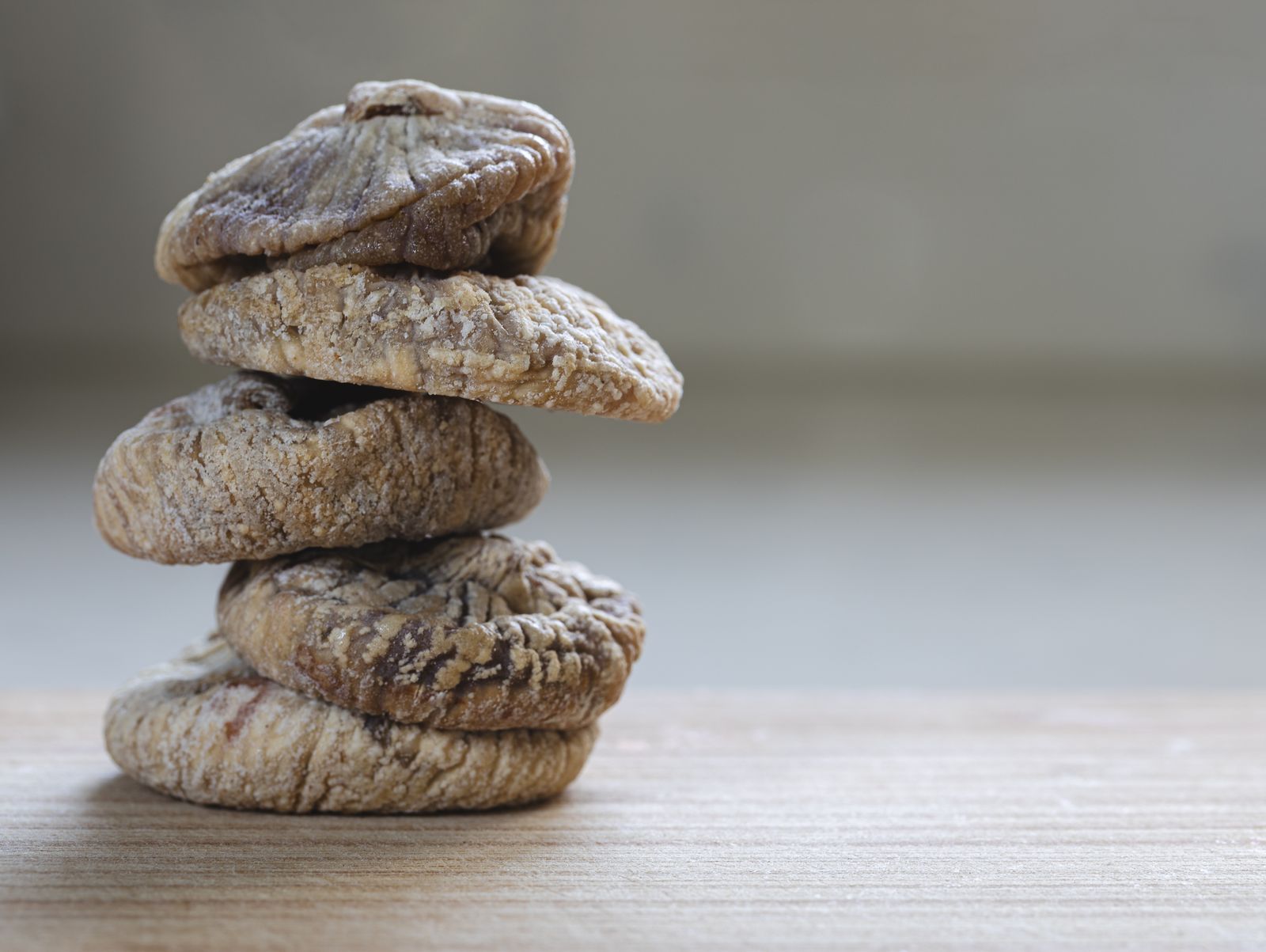
Figs are the soft, honeyed fruits of Ficus carica. Dried figs are dense, chewy and sweet, with crunchy little seeds.
History
The fig is one of the earliest fruits people cultivated, and it has been grown around the Mediterranean and Western Asia since ancient times. Figs feature in the writings of the Greeks and Romans and in many religious traditions.
Where it comes from
The fig tree is native to the Middle East and the Mediterranean. Turkey, Egypt, Morocco and Iran are leading producers; Turkey is especially known for its dried figs.
Flavor and how to use it
Eat dried figs with cheese and nuts, simmer them in tagines, slice them into salads, chop them into cakes and breads, or soak and blend them into jams.
Buying and storing
Keep dried figs in an airtight container in a cool place, or in the fridge for longer storage.
In kitchens and traditions
Figs are among the oldest cultivated fruits, with a history in the eastern Mediterranean, the Middle East and Asia. They are mentioned in ancient Greek, Roman and religious texts. Turkey, Egypt, Morocco and other countries are leading producers, and dried figs from Smyrna (Izmir) are famous.
Dried figs feature in Mediterranean cheese boards, Middle Eastern sweets, Indian anjeer burfi, English fig rolls and Christmas puddings.
Good pairings and ideas
- Simmer in red wine or tea and serve with cheese.
- Slice into salads with walnuts and goat cheese.
- Blend into jams and spreads.
- Soak and add to porridge or cakes.
Frequently asked questions
Are figs a fruit?
Botanically, a fig is an inverted flower, called a syconium.
Why are dried figs crunchy?
The seeds are small and crunchy and part of the fruit.
Are they sticky?
Yes, dried figs are naturally sticky from sugar.
This page is general information, not medical advice. If you have allergies, a medical condition or are pregnant, check with a qualified professional before using any food in larger amounts than usual.
Photo credit: Vural Yavas on Pexels.