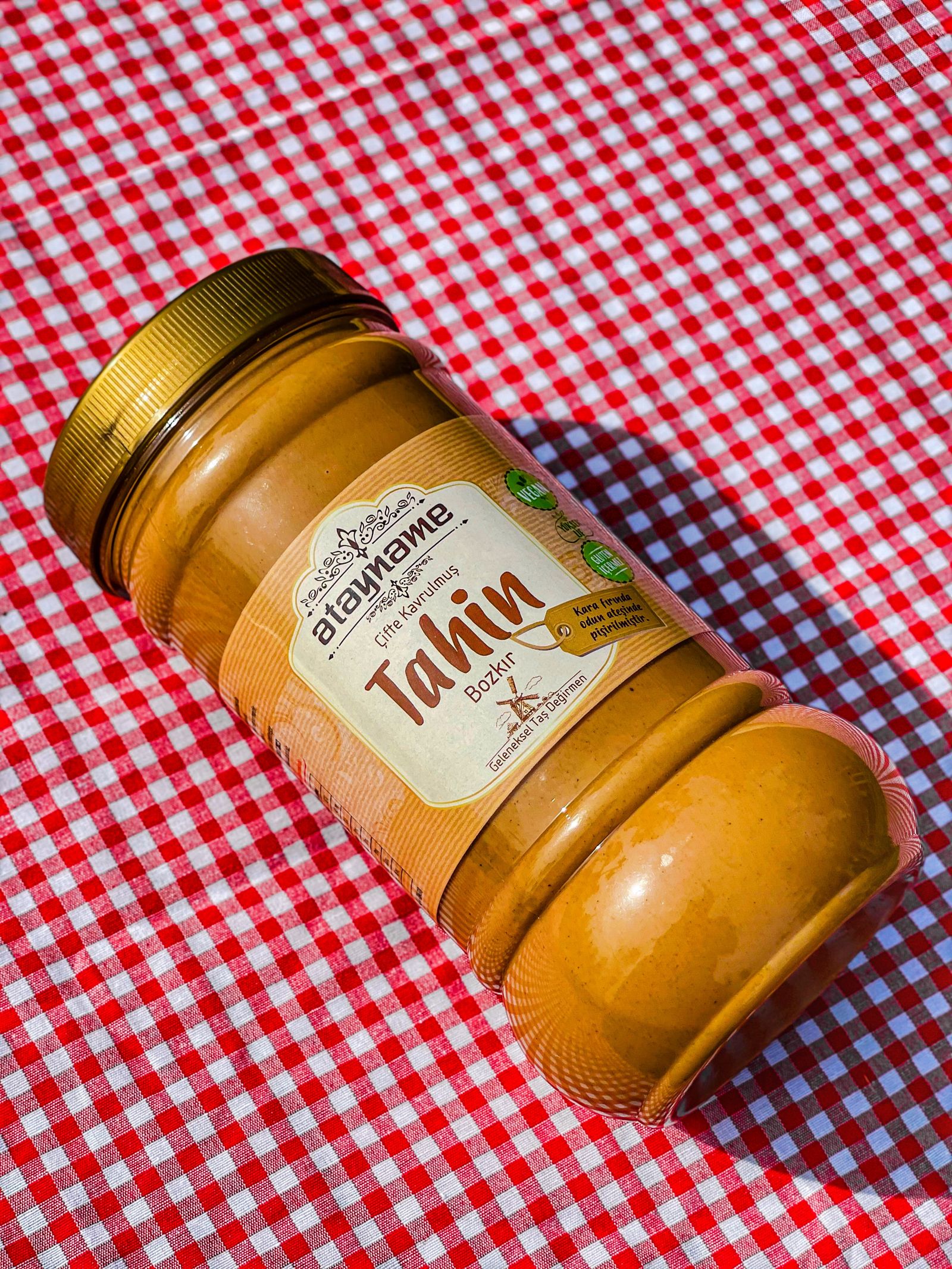
Tahini is a smooth paste of ground sesame seeds. It is nutty, slightly bitter and creamy, and it is essential to hummus, baba ganoush and many sauces and sweets.
- Made from
- Ground sesame seeds (Sesamum indicum)
- Type
- Seed paste
- Origin
- The Middle East and Eastern Mediterranean
- Used most in
- Lebanon, Israel, Palestine, Syria, Turkey, Greece, Egypt
History
Sesame is one of the world’s oldest oilseed crops, cultivated for thousands of years in Africa and the Indian subcontinent and later across the Middle East. Sesame paste has been a food in the eastern Mediterranean for many centuries, and it is also the base of halva, a sweet loved from the Balkans to India.
Where it comes from
Sesame grows in warm climates, with major production in Africa (Sudan, Ethiopia, Nigeria), India, Myanmar and China. Tahini is made from hulled or unhulled seeds that are toasted and ground.
Where it is used most
Tahini is used in Middle Eastern hummus, baba ganoush, tarator and salad dressings, and in sweets such as halva. It also appears in Mediterranean sauces for falafel, shawarma and roasted vegetables.
Varieties and types
Hulled tahini is smoother and milder. Whole-seed tahini is darker and more bitter. Light roasted tahini is common in the Levant.
Flavor and how to use it
Whisk with lemon juice, water and garlic into a sauce; stir into hummus; use in dressings, cookies and brownies. Add water gradually, as it thickens first and then loosens.
Buying, storing and substitutes
Keep the jar sealed in a cool cupboard, and refrigerate after opening. The oil separates, so stir well before use.
Good to know
Sesame is a common food allergen. Check labels carefully if allergies are a concern.
Recipes that use it
Photo credit: ENESFİLM on Pexels.