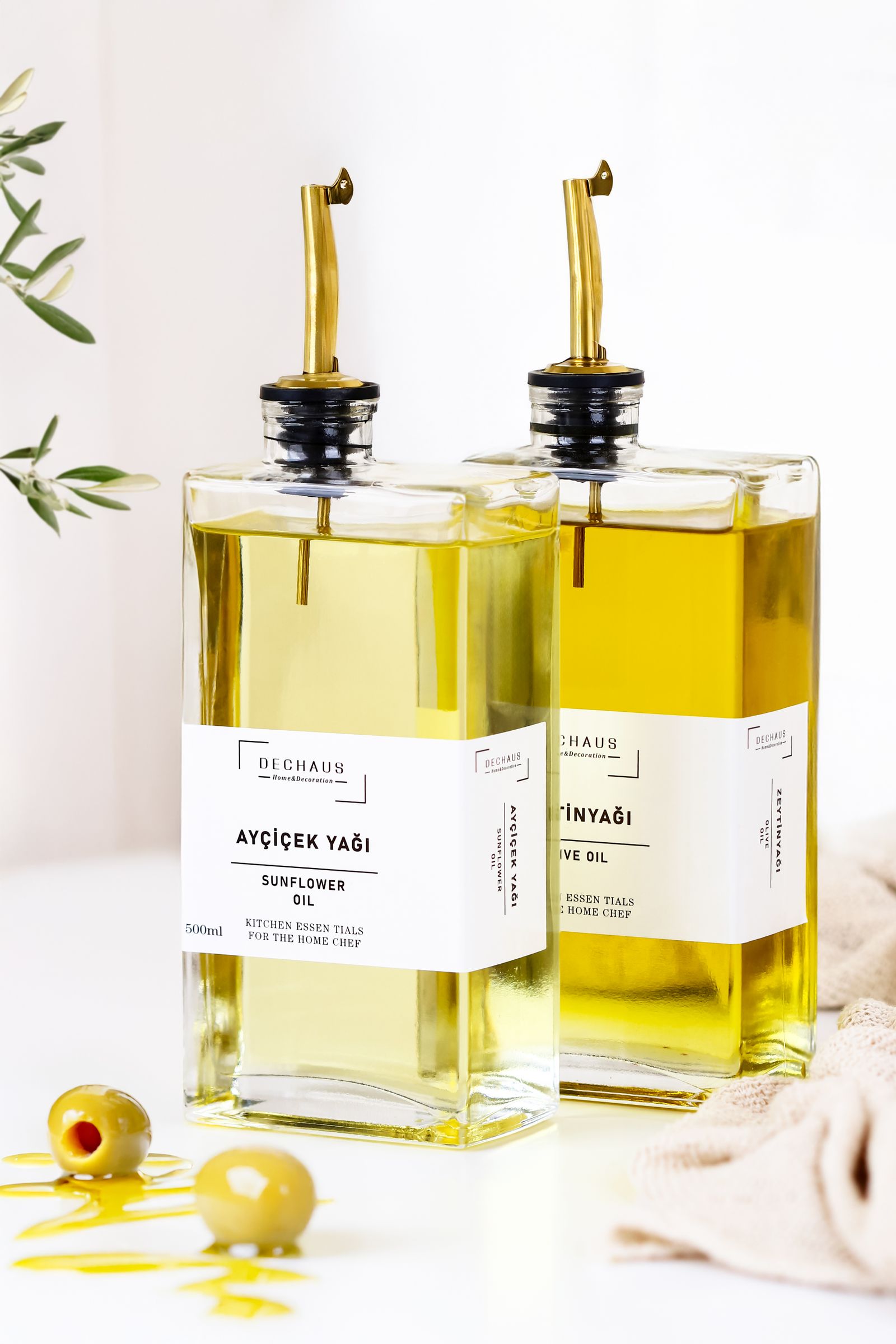
Olive oil is the signature fat of Mediterranean cooking. Good extra-virgin oil is grassy, fruity and slightly peppery, and is used to cook, dress and finish dishes.
- Source
- The pressed fruit of the olive tree, Olea europaea
- Native to
- The eastern Mediterranean
- Top producers
- Spain (by far the largest), Italy, Greece, Tunisia, Turkey
- Used most in
- Greece, Italy, Spain and the whole Mediterranean
History
People have cultivated olive trees for at least 6,000 years in the eastern Mediterranean. The oil was used for food, lamps, cosmetics and religious rituals in ancient Egypt, Greece and Rome. The Phoenicians, Greeks and Romans spread olive growing around the Mediterranean basin, where it remains central to the landscape and culture.
Where it comes from
Olive trees grow in hot, dry summers and mild winters. Spain produces roughly half of the world’s olive oil, and Italy, Greece, Tunisia, Turkey and Portugal are also major producers. California, Chile and Australia are growing regions too.
Where it is used most
Olive oil is the foundation of Greek, Italian, Spanish and North African cooking, used in salads, pasta, roasting, bread dipping and even baking. Greece has the highest consumption per person.
Varieties and types
Extra-virgin olive oil is cold-pressed, unrefined and best for dressings and finishing. Virgin and “pure” or refined oils are milder and suited to cooking. Light-tasting olive oil is refined and has little flavor.
Flavor and how to use it
Use extra-virgin olive oil to dress salads, drizzle over soups, hummus and bread, and gently sauté. Choose a more neutral oil for very high-heat frying.
Buying, storing and substitutes
Keep in a cool, dark place in a tightly closed dark bottle, and use within about a year of pressing for the best flavor. Avoid storing next to the stove.
Recipes that use it
- Caprese Salad
- Chicken and Veggie Meal-Prep Bowls
- Chicken Shawarma
- Classic Tomato Bruschetta
- Creamy Garlic Butter Chicken (Keto)
- Creamy Hummus
- Creamy Mushroom Risotto
- Easy Creamy Tomato Pasta
- Easy Shakshuka
- Greek Salad (Horiatiki)
- Hearty Red Lentil Soup
- Homemade Baked Chicken Nuggets
- Homemade Margherita Pizza
- Mediterranean Chickpea Salad
- Menemen (Turkish Eggs with Tomato and Peppers)
- Moroccan Chicken Tagine with Olives and Lemon
- One-Pan Lemon Garlic Chicken Thighs
- Paleo Lemon Herb Chicken and Vegetables
- Ratatouille
- Roasted Butternut Squash Soup
- Roasted Vegetable Quinoa Bowl (Lemon Tahini)
- Sheet-Pan Chicken Fajitas
- Sheet-Pan Salmon and Broccoli
- Spaghetti Aglio e Olio
- Tabbouleh (Lebanese Parsley Salad)
- Tortilla Española (Spanish Potato Omelette)
- Tzatziki (Greek Yogurt and Cucumber Dip)
Photo credit: Kader D. Kahraman on Pexels.