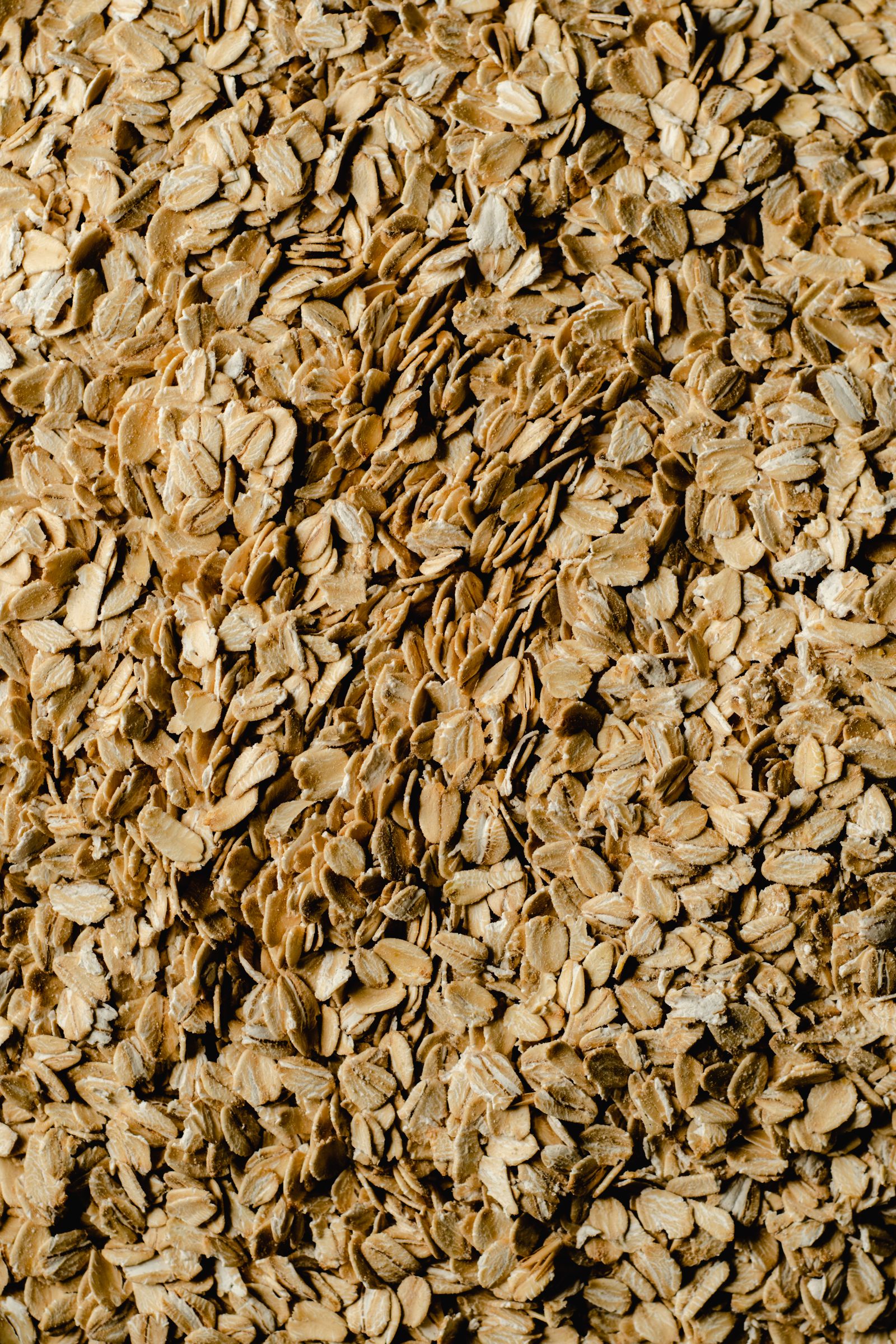
Rolled oats are whole oat grains that have been steamed and flattened. They cook quickly and soak up liquid, which makes them ideal for porridge, granola and overnight oats.
- Botanical name
- Avena sativa
- Family
- Poaceae (grasses)
- Part used
- Hulled grain (groat), rolled
- Flavor
- Mild, nutty, slightly sweet
- Gluten
- Naturally gluten-free but often cross-contaminated
History
Oats were once seen as a weed among wheat and barley, then became a food crop in northern Europe, where the cool, damp climate suited them. Scotland and Ireland built a tradition of oat porridge and oatcakes. Rolled oats were industrialized in the nineteenth century.
Where it comes from
Oats come from the Near East and spread to northern Europe. Today Canada, Russia, Poland and Australia are major producers.
Where it is used most
Porridge in Scotland and Ireland, granola and muesli in Europe and the United States, oat cookies and flapjacks in Britain, and overnight oats worldwide.
Varieties and types
Steel-cut oats are chopped groats and chewy. Rolled (old-fashioned) oats are flat. Instant oats are thinner and finer. Oat flour is ground oats.
Flavor and how to use it
For overnight oats, combine with milk or yogurt and leave in the refrigerator for several hours until soft. Add fruit, nuts or seeds before eating.
Buying, storing and substitutes
Keep in an airtight container in a cool, dry place. Quick oats can sometimes be swapped but give a softer texture.
Good to know
People with celiac disease should look for oats labeled gluten-free.
Recipes that use it
Photo credit: Eva Bronzini on Pexels.