Komal Saul (Assamese Soft Rice with Yogurt and Jaggery)


Illustrative stock photos, not this exact recipe. Photo credits are at the bottom of the page.
Ingredients in this recipe
Tap any ingredient to read its history, origin and where it is used.
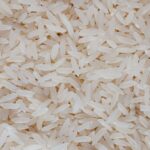


Komal Saul is a traditional Assamese breakfast made from a special soft rice (komal chaul) that becomes tender simply by soaking in water, with no cooking. It is commonly served with curd (yogurt) or milk, jaggery or sugar, and ripe banana. Assam, in India's northeast, is commonly known for its tea, rice, fish and greens, and for cooking that tends to be lightly spiced and relies on simple techniques and fresh local ingredients. Read more in Indian regional cuisines.
Komal saul is a particular variety and may be hard to find outside Assam. Thick flattened rice (thick poha) gives a similar soft, no-cook breakfast and is used here as a substitute.
Recipe label: Based on traditional technique. Photo: illustrative stock photo, not the finished dish from this exact recipe. Regional recipes vary by family and village.
.dr-entry-content{display:flex;flex-direction:column}.dr-entry-content>*{max-width:100%}.dr-entry-content>.ca-credits{order:99}Photo credits: Photo 1: Milton Das on Pexels; Photo 2: Muhammad Khawar Nazir on Pexels; Photo 3: Jahra Tasfia Reza on Pexels. Free stock photos, used under the Unsplash or Pexels license and shown here as illustrations only.
- 1 cup komal saul (Assamese soft rice) or thick poha (flattened rice) (about 100 g)
- 1 cup warm water (about 240 ml, for soaking)
- 1 cup plain yogurt (about 240 g; or 1 cup cold milk)
- 2 tbsp jaggery or sugar (grated, to taste)
- 1 ripe banana (sliced)
- 1 pinch salt (optional)
- 1 Rinse the soft rice or poha briefly in a sieve to remove any dust.
- 2
Place it in a bowl and cover with warm water. Soak for 15 to 30 minutes for komal saul, or about 5 to 10 minutes for thick poha, until it is tender and no hard center remains.- 3
Drain any excess water and fluff gently with a fork.- 4
Divide between two bowls and add the yogurt or cold milk.- 5
Sprinkle with the jaggery or sugar, add the banana slices and a tiny pinch of salt if you like.- 6
Serve right away, while the rice is soft and cool.NoteKomal saul is only safe and pleasant to eat uncooked if it is the correct pre-processed variety. Never eat ordinary raw rice this way. Thick poha is a convenient substitute; thin poha will turn mushy. Regional recipes vary by family. - 2